
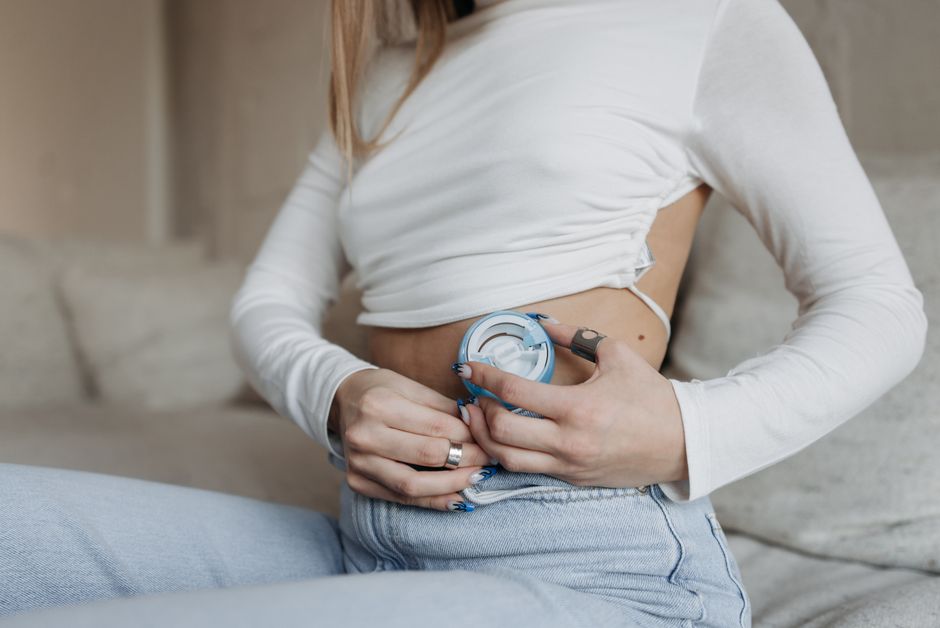
Using a wearable breast pump comes down to four steps: center the flange over your nipple, press the cup firmly against your breast to create a seal, start on the lowest comfortable suction setting, and let the pump run through its cycle until milk flow slows. Wearable pumps fit inside a bra, so there are no tubes or bottles to hold. That convenience is real, but it also means you cannot see how much milk is collecting while you pump.
What Is a Wearable Breast Pump and How Does It Work?
A wearable breast pump is a small, self-contained unit that sits inside your bra cup. It combines the motor, the milk collection container, and the flange into one piece. There is no external tubing and no separate bottle hanging from a hose.
Inside, a small motor creates suction. That suction pulls your nipple into a tunnel called the flange and draws milk out through small openings. The milk collects in a cup or small bottle attached to the unit. Most models run on a rechargeable battery.
Two mechanisms matter for milk removal. Suction pulls milk from the breast. A rhythmic cycle of suction and release mimics some of the patterns a baby uses during feeding. Both suction strength and cycle speed are usually adjustable.
Wearable pumps fall into two general categories. Some are designed for hands-free pumping while you work, chase a toddler, or move around the house. Others are smaller and quieter but collect less milk per session. Neither type is automatically better. The right one depends on how you plan to use it.
One clarification worth knowing: a wearable pump is still a breast pump. It works on the same principle as a standard double electric pump. The difference is form, not fundamental function.
How To Use A Wearable Breast Pump Step By Step
The sequence below applies to most wearable pumps. Check your specific model’s instructions, since button layouts and settings vary by brand.
- Step 1: Wash your hands and assemble the pump. Make sure the flange, collection cup, and any valves or seals are clean and correctly seated. A misplaced seal is one of the most common reasons a pump loses suction.
- Step 2: Place the pump inside your bra. Center the flange opening directly over your nipple. The nipple should sit in the middle of the tunnel, not pressed against one side. A poor fit causes pain and reduces milk output.
- Step 3: Press the cup against your breast. Gently press the unit toward your chest to create a seal against the skin. You should feel light suction once you turn it on.
- Step 4: Turn the pump on and start on the lowest setting. Begin on the lowest comfortable suction. Higher suction does not mean more milk. Too much suction can cause pain and can actually reduce flow.
- Step 5: Let the pump run through its cycle. Most pumps start with a faster, lighter pattern to trigger milk release, then shift to a slower, deeper pattern. Many models do this automatically.
- Step 6: Adjust suction as milk flows. Once milk is flowing well, you can increase suction slightly if it stays comfortable. Stop increasing the moment it feels sharp or pinching.
- Step 7: Remove the pump when flow slows. When milk stops spraying or dripping steadily, the session is usually done. Turn the pump off before removing it to avoid spills.
Both breasts can be pumped at the same time if you have two units. Pumping both at once is generally more efficient than pumping one side at a time.
How Do You Know the Flange Fits Correctly?
Flange size is the single biggest factor in whether a wearable pump works well for you. A flange that is too small pinches. One that is too large lets too much breast tissue get pulled into the tunnel, which reduces suction and can cause soreness.
Signs of a good fit:
- Your nipple moves freely in the tunnel without rubbing the sides
- Little or no areola (the darker skin around the nipple) is pulled into the tunnel
- Pumping is comfortable, not painful
- Milk flows steadily once let-down happens
Signs the flange is the wrong size include pinching, blanching (the nipple turning white), pain during pumping, or milk that trickles instead of flows. Many brands sell separate flange inserts in multiple sizes. Nipple size can also change over the course of breastfeeding, so a size that worked early on may not fit months later.
If you are unsure about sizing, a lactation consultant can measure you. This is one area where a professional opinion saves a lot of trial and error.





How Long and How Often Should You Pump?
There is no single correct number. How long and how often you pump depends on why you are pumping, how old your baby is, and whether you are also nursing directly.
For milk supply, the general principle is that milk removal drives milk production. The more often milk is removed, the more your body tends to produce. This is why exclusive pumpers typically pump more frequently than people who pump only occasionally.
For a single session, a common approach is to pump until milk flow slows, which often takes around 15 to 20 minutes, though this varies widely. Some people finish faster. Others need longer. Pumping past the point where flow has stopped is unlikely to add much milk and can cause soreness.
If you are pumping to build a stash for returning to work, frequency and timing matter more than session length. If you are pumping to relieve engorgement, shorter and more frequent sessions may work better.
Specific pumping schedules are often set by a lactation consultant or your baby’s pediatric provider, especially in the early weeks or if there are concerns about your baby’s weight or your supply. Follow that guidance over general advice.
What Are the Common Mistakes With Wearable Pumps?
Most wearable pump problems trace back to a short list of issues.
- Wrong flange size. This is the most common cause of pain and low output.
- Suction set too high. More suction does not equal more milk. Comfort matters more than power.
- Pump not seated properly. A small gap breaks the seal and kills suction.
- Parts not fully dry or assembled wrong. Moisture or a flipped valve can block airflow.
- Expecting the same output as a standard pump. Some wearable pumps remove less milk per session than a hospital-grade or standard double electric pump. This is a known limitation, not a personal failure.
- Using a wearable pump as a primary pump too early. In the first weeks, when milk supply is being established, some parents need stronger and more frequent milk removal than a wearable pump provides.
If your output drops suddenly, check the flange, the seal, and the assembly before assuming something is wrong with your supply.
When Should You Talk to a Lactation Consultant?
Reach out to a lactation consultant or your healthcare provider if pumping is consistently painful, if your output is very low despite good technique, if you notice blood in your milk, or if you have a red, painful, warm area on your breast along with fever or flu-like symptoms. Those symptoms can suggest mastitis, which needs medical evaluation.
Also seek help if your baby is not gaining weight well, if you are unsure whether your supply is adequate, or if you are struggling to establish breastfeeding in the early weeks. A lactation consultant can watch you pump, check your flange fit, and adjust your approach in a single visit.
Wearable pumps are a tool, not a replacement for guidance. They work well for many people, but they are not the right fit for every situation, and there is no shame in needing a different setup.
Frequently Asked Questions
Can you use a wearable breast pump hands-free?
Yes, that is the main design feature. The pump sits inside your bra with no tubing, so your hands stay free while it runs.
How do you clean a wearable breast pump?
Wash the parts that touch milk, such as the flange, cup, and valves, in warm soapy water after each use, then air dry fully. Check your model’s manual, since some parts are dishwasher safe and some are not.
Do wearable breast pumps empty the breast as well as a standard pump?
Not always. Some wearable pumps remove less milk per session than a standard double electric pump, and the gap varies by model and by person.
How do you know when to stop pumping?
Stop when milk flow slows to a trickle or stops, which often takes around 15 to 20 minutes. Pumping well past that point is unlikely to add milk and may cause soreness.
