
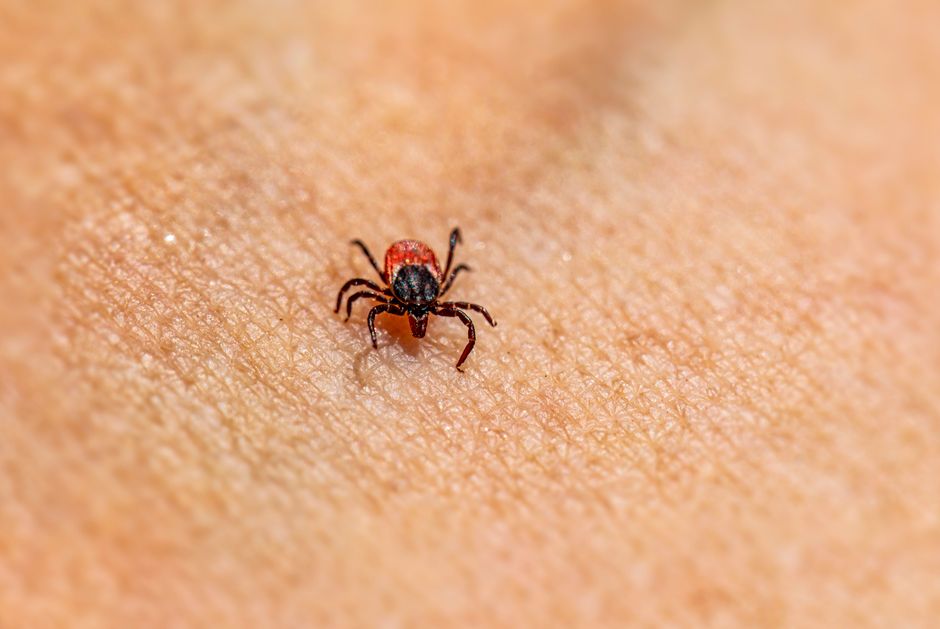
A tick key is a small plastic tool designed to remove ticks from the skin quickly and safely. To use a tick key correctly, slide the notch under the tick as close to your skin as possible, then twist gently upward until the tick releases. The most common mistakes include squeezing the tick’s body, twisting too hard or too quickly, and forgetting to clean the bite area afterward. Using a tick key the right way reduces the chance of leaving mouthparts behind or pushing infectious fluids into your skin.
How To Use A Tick Key Steps And Mistakes To Avoid?
Start by choosing a tick key that fits the size of the tick. Position the notch or slot directly against your skin at the base of the tick, where the mouthparts enter. Slide it forward so the tick is trapped in the narrow opening. Then twist the tool slowly and steadily—either direction works—until the tick detaches. Do not yank or jerk. Lift the tool straight up once the tick comes free.
After removal, clean the bite area with soap and water or rubbing alcohol. Wash your hands too. Dispose of the tick by sealing it in tape or flushing it down the toilet. Do not crush it with your fingers.
The biggest mistakes people make include using the tick key on a tick that is already partially removed, pressing too hard (which can squeeze the tick’s body and inject fluids), and twisting too fast. Another common error is not getting the notch close enough to the skin, which causes you to grab the tick’s body instead of its head. If the mouthparts remain in your skin, do not dig them out. Leave them alone; your body will push them out on its own.
What Is A Tick Key And How Does It Work?
A tick key, also called a tick twister or tick remover, is a flat plastic tool with a V-shaped or O-shaped slot. It is designed to slide under the tick’s body and grasp the mouthparts near the skin. The idea is that by twisting gently, you disengage the tick’s barbed mouthparts without compressing its abdomen.
When you squeeze a tick’s body—for example with fingers or blunt tweezers—it can regurgitate saliva or gut contents into your skin. This is one way tick-borne diseases, such as Lyme disease, may be transmitted. A tick key avoids that by lifting from the head and not squeezing the body.
Research comparing tick keys to fine-tipped tweezers shows both can work effectively when used correctly. Some people find the twisting motion of a tick key easier to control than the steady upward pull needed with tweezers. The key factor is removing the tick as soon as possible after it attaches. Even with the best tool, waiting increases the risk of infection.
What Are The Most Common Mistakes When Using A Tick Key?
Using the wrong sized notch. Tick keys often have two slots—one for larger ticks and one for smaller nymphs. Using too large a slot will not grip the mouthparts properly and may cause you to squeeze the body instead.
Applying too much pressure. Pressing the tool hard against your skin can compress the tick’s abdomen. This defeats the purpose of using a tick key. Gentle contact is all you need.
Twisting too fast or too many times. A slow steady twist of 2–3 rotations is usually enough. Over-twisting can break the mouthparts off. If the tick does not release after a few gentle twists, stop and try a different approach.
Using the tick key on a tick that is already embedded deeply. A tick that has been feeding for more than 24 hours may be firmly attached. If the mouthparts are deep, a tick key may not reach them. In that case, fine-tipped tweezers are a better choice.
Not cleaning the tool afterward. Reusing a tick key without cleaning it can transfer bacteria or viruses from one tick to another person or pet. Wash the tool with soap and water or disinfect with alcohol after each use.
Using heat, petroleum jelly, or nail polish on the tick. These old remedies do not cause the tick to back out. They may actually make it salivate more, increasing disease risk. Stick to mechanical removal only.




When Should You Use A Tick Key Versus Tweezers?
The Centers for Disease Control and Prevention recommends fine-tipped tweezers as the first choice for tick removal. Fine-tipped tweezers allow you to grasp the tick as close to the skin as possible and pull upward with steady, even pressure. This method is well-studied and reliable.
A tick key is a convenient alternative that many people find easier to use, especially for small ticks on hard-to-reach areas. Studies have shown that commercial tick removal tools, including tick keys, can be effective when used according to instructions. The most important factor is not which tool you use, but that you remove the tick promptly and correctly.
If you have only a tick key and no tweezers, it is fine to use it. If you have both, choose whichever you are most comfortable with. Avoid using household tweezers that are not fine-tipped, as they are too blunt to grip the mouthparts and often squeeze the body. For very tiny ticks, a tick key with a small slot may work better than tweezers because it can grip the head more precisely.
What To Do After Removing The Tick
Clean the bite area with soap and water or rubbing alcohol. Apply an antiseptic if you have one. Wash your hands thoroughly. Do not apply heat or any substance to the bite while cleaning.
Monitor the site for the next 30 days. Watch for a red rash that expands outward—often called a bull’s-eye rash but it can look different. Also watch for fever, chills, fatigue, muscle aches, or swollen lymph nodes. These can be signs of Lyme disease or other tick-borne illnesses.
If you live in an area where Lyme disease is common and the tick was attached for more than 36 hours (roughly 24–48 hours), a single dose of doxycycline may reduce your risk. This is called post-exposure prophylaxis. It is only effective if given within 72 hours of tick removal. Talk to your doctor about whether this is right for you.
Do not send the tick for testing. The CDC does not recommend routine tick testing because results are often not available quickly enough to change treatment decisions. A negative test may also give false reassurance if the tick tested negative but you were bitten by another tick you did not find.
When To See A Doctor After A Tick Bite
See a doctor if you develop any symptoms within the first month after a tick bite, especially a rash or fever. Also see a doctor if the tick was attached for more than 24 hours and you are in an area with high rates of Lyme disease. Some doctors offer prophylactic antibiotics in these situations.
You should also see a doctor if the bite area becomes red, swollen, or painful after several days—this could be a sign of a bacterial skin infection unrelated to tick-borne diseases. If you cannot remove the tick entirely, or if you develop difficulty breathing or a serious allergic reaction after the bite, seek medical care right away.
Frequently Asked Questions
What should I do if the tick’s head breaks off?
Do not dig it out. Leave the mouthparts in your skin and let your body push them out over the next few days. Scratching or digging increases the risk of infection.
Can I use a tick key on my dog or cat?
Yes, tick keys work on pets, but you need to be careful with thick fur or sensitive skin. Part the fur so you can see the tick, then use the same gentle twisting motion.
Is it safe to use a tick key on very small ticks?
Yes, many tick keys have a small slot designed for nymphs. Just make sure the notch fits the tick’s head, and twist gently. If it does not grip, try fine-tipped tweezers instead.
Should I twist the tick clockwise or counterclockwise?
Direction does not matter. You can twist either way. The important thing is to twist slowly and steadily until the tick releases, not to spin it rapidly.
