
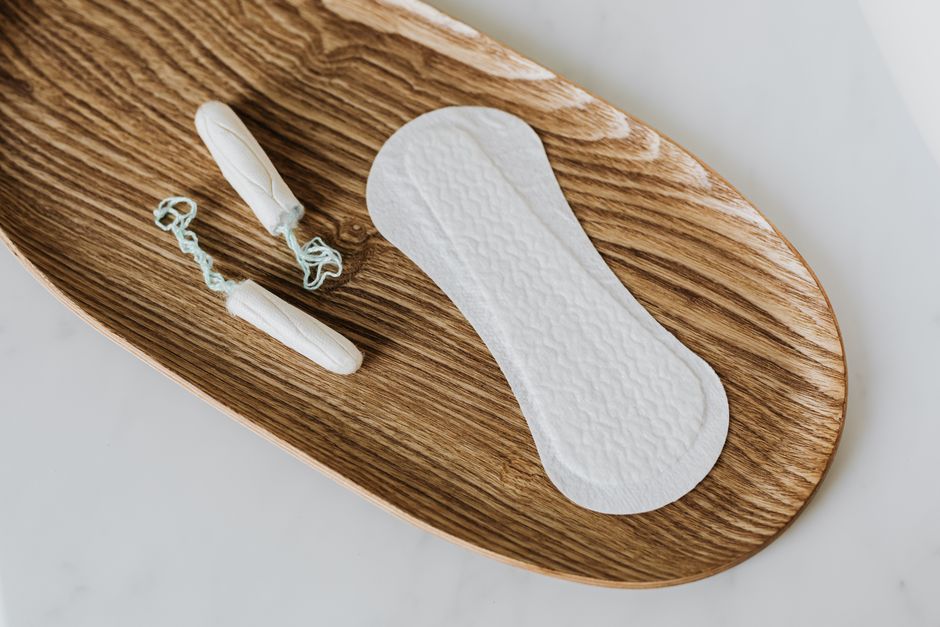
Using a tampon comes down to three steps: insert it with clean hands at the angle your vagina naturally runs, leave it in for no longer than eight hours, and remove it by pulling the string gently at the same angle it went in. Most first-time problems come from inserting at the wrong angle, not from doing anything dangerous. Once you understand the anatomy and the timing rules, it becomes simple.
This guide covers how to insert, wear, and remove a tampon, plus the safety rules that matter and the mistakes that cause most discomfort.
How Do You Insert A Tampon Step By Step?
Wash your hands with soap and water first. This reduces the chance of introducing bacteria. Then get into a position where your vaginal opening is easy to reach.
Good positions for inserting include:
- Standing with one foot on a chair or the edge of the bathtub
- Sitting on the toilet with your knees apart
- Squatting
- Lying down with your knees bent
Relax your muscles. Tension is the most common reason insertion feels difficult or painful.
Hold the applicator by the grip, where the smaller tube sits inside the larger one. Place the rounded tip at your vaginal opening. Aim it toward your lower back, not straight up. The vagina tilts backward at an angle, and following that angle is what lets the tampon slide in without resistance.
Push the outer tube gently into your vagina until your fingers touch your body. Then push the inner tube all the way in with your index finger. This pushes the tampon out of the applicator and into place. Remove both tubes and dispose of them in the trash — never flush applicators.
If you feel resistance, stop. Re-aim slightly toward your tailbone and try again. Never force it. If it still will not go in, a common cause is that you are already wearing a tampon and forgot. Another is that you are tense and clenching.
If you are not using an applicator, place the tip of the tampon at the opening and use your index finger to push it in until it sits comfortably inside. Many people find applicator-free tampons harder at first because the finger does the work.
Why Does A Tampon Feel Uncomfortable When I Insert It?
A correctly placed tampon should not be felt at all. If you can feel it, it is almost certainly not in far enough.
The most common cause of discomfort is shallow placement. People often stop pushing when the tampon first enters, leaving it sitting low in the vaginal canal where it presses against sensitive tissue. Push it in further. The upper part of the vagina has far fewer nerve endings than the lower part, which is why a properly placed tampon is unnoticeable.
The second most common cause is the wrong angle. If the tampon feels like it is hitting a wall, the direction is off. Aim more toward your lower back.
Other reasons for discomfort include:
- Tension. Relax your pelvic muscles before you start.
- Choosing the wrong absorbency. A higher absorbency than your flow needs can feel dry and irritating.
- Leaving it in too long. A saturated tampon can shift and press uncomfortably.
- Vaginal dryness. This is more common around menopause, after childbirth, or during breastfeeding.
If insertion is painful rather than just uncomfortable, stop. Pain is not something to push through. Talk to a clinician if it happens repeatedly, because conditions such as vaginismus — involuntary tightening of the pelvic muscles — can make tampon use difficult and are treatable.
How Long Can You Leave A Tampon In?
Change your tampon every four to eight hours. Never leave one in for more than eight hours. This is the single most important safety rule with tampons.
Change it sooner if it is saturated. A tampon that is fully soaked can leak, and leaving a saturated tampon in place longer than needed offers no benefit.
Do not wear a tampon overnight if it means going longer than eight hours. Many people sleep longer than that. If you want protection overnight, a pad is the safer choice. If you do wear a tampon to bed, put it in right before sleep and change it as soon as you wake.
Do not insert a new tampon before removing the old one. It is possible to forget a tampon is in place, especially at the end of a period. If you cannot remember whether you removed one, check.





What Is Toxic Shock Syndrome And How Do You Lower The Risk?
Toxic shock syndrome, or TSS, is a rare but serious bacterial illness. It is associated with tampon use, particularly with high-absorbency tampons and with leaving tampons in for extended periods.
TSS is caused by toxins produced by certain strains of Staphylococcus aureus bacteria. It is not caused by the tampon itself. The tampon creates conditions that can allow these bacteria to multiply. TSS is rare, but it can become life-threatening quickly, so it is worth knowing the signs.
Symptoms of TSS include:
- Sudden high fever
- Rash that looks like sunburn, often followed by peeling
- Vomiting or diarrhea
- Dizziness, fainting, or feeling like you might pass out
- Muscle aches
- Confusion
If you have these symptoms while using a tampon, remove it immediately and seek emergency medical care. Tell the clinician you were wearing a tampon. Early treatment matters.
Ways to lower your risk:
- Use the lowest absorbency that controls your flow.
- Change tampons every four to eight hours.
- Do not wear a tampon when you are not menstruating.
- Alternate tampons with pads during your period.
- Wash your hands before and after insertion and removal.
Some clinicians also suggest avoiding super-absorbency tampons when your flow is light. The evidence linking higher absorbency to higher risk is well established, which is why absorbency ratings are standardized and labeled.
How Do You Remove A Tampon?
Wash your hands. Then find the string at the base of the tampon and pull it gently. The tampon should slide out easily.
Relax your muscles as you pull. If you feel resistance, bear down slightly as if having a bowel movement — this can help move the tampon down. Pull at the same angle it went in, toward your lower back.
If the string has slipped inside or broken off, do not panic. The tampon cannot get lost inside your body. The vagina is a closed canal, and the tampon cannot travel past the cervix. Reach in with clean fingers and remove it. If you cannot reach it, see a clinician, who can remove it easily.
If a tampon is difficult to remove because it is very dry, wait a little. A dry tampon can drag against the vaginal walls. Sometimes waiting for your flow to build helps. Do not leave it in longer than eight hours waiting for this, though.
Dispose of used tampons and applicators in the trash. Do not flush them — they can clog plumbing and septic systems.
Which Absorbency Should You Choose?
Choose the lowest absorbency that handles your flow for the hours between changes. Tampon absorbency is standardized and labeled on the package, so you can compare products directly.
In the United States, absorbency is described by terms such as light, regular, super, and super plus. The absorbency range is printed on the box. If you find yourself changing a super tampon every two hours, your flow may be heavier than the tampon can handle, and you may need a different product or to talk to a clinician about heavy bleeding.
Heavy menstrual bleeding is common and treatable. Signs include soaking through a pad or tampon every hour for several hours, passing large clots, or bleeding that lasts longer than seven days. If this sounds familiar, it is worth a conversation with a clinician rather than simply moving to a higher absorbency.
Can A Tampon Get Lost Or Break Inside You?
A tampon cannot get lost inside your body. The cervix sits at the top of the vaginal canal and blocks the way into the uterus, so a tampon has nowhere to go.
Tampons can occasionally be forgotten, though. If you notice an unusual odor, discharge, or discomfort, check whether a tampon is still in place. A retained tampon is a known cause of these symptoms and should be removed.
The string can break or slip inside. This does not mean the tampon is stuck. Reach in and remove it, or see a clinician if you cannot.
What Should You Know Before Your First Time?
You can use a tampon at any age once you have started menstruating. There is no age requirement and no need to be sexually active. The hymen is a stretchy tissue that does not fully cover the vaginal opening, and using a tampon does not “break” it in any meaningful sense.
Start with a lower absorbency and practice when your flow is steady rather than at the very start or end of your period, when the vagina may be drier. Give yourself time and privacy. Many people need a few tries before it feels easy.
If you have a medical condition affecting your pelvic area, or if you have been advised against tampon use by a clinician, follow that guidance.
Frequently Asked Questions
Can you sleep with a tampon in?
Only if you will remove it within eight hours. Because many people sleep longer than that, a pad is generally the safer choice overnight.
Can a tampon get lost inside you?
No. The cervix blocks the top of the vaginal canal, so a tampon cannot travel into the uterus or get lost. It can be forgotten, though, so check if you notice unusual odor or discomfort.
How often should you change a tampon?
Every four to eight hours, and never leave one in for more than eight hours. Change it sooner if it is saturated.
Does using a tampon hurt the first time?
It should not hurt if it is placed correctly and you are relaxed. Discomfort usually means the angle is wrong or the tampon is not in far enough; stop and try again rather than pushing through pain.
