
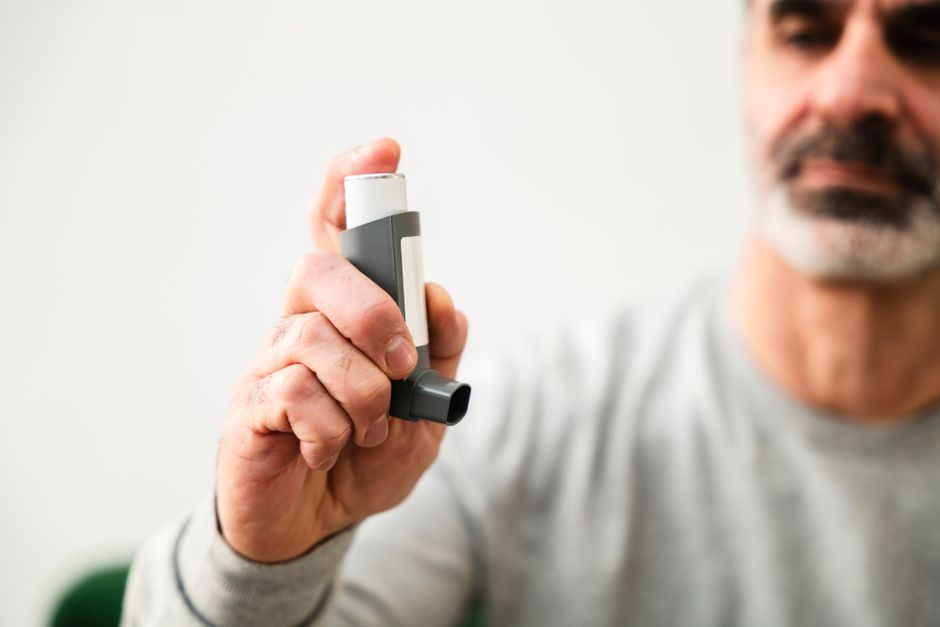
Using a Symbicort inhaler correctly matters more than most people realize. A proper technique ensures the medicine reaches your lungs where it needs to work. This guide walks through each step clearly, covering the inhaler itself, the breathing technique, cleaning, and common mistakes. Symbicort is a combination inhaler containing budesonide, a corticosteroid that reduces airway inflammation, and formoterol, a long-acting bronchodilator that keeps airways open. It is used daily for asthma and COPD, not for sudden symptom relief.
How To Use A Symbicort Inhaler Step By Step
Before the first use, Symbicort must be primed. Shake the inhaler well for five seconds. Spray it three times into the air, away from your face. Shake again before each spray. After priming, the inhaler is ready. If you have not used it for more than seven days, or if it was dropped, prime it again with two sprays.
For each dose, follow this sequence. Remove the mouthpiece cover. Shake the inhaler well for five seconds. Breathe out fully, away from the inhaler, to empty your lungs. Place the mouthpiece between your teeth and close your lips around it to form a seal. As you begin to breathe in slowly and deeply, press down on the top of the canister once to release a spray. Continue breathing in steadily until your lungs are full. Hold your breath for ten seconds, or as long as comfortable. Remove the inhaler from your mouth and breathe out slowly. If your prescription requires two puffs, wait one minute before taking the second puff. Repeat the shaking and breathing steps for the second dose. Replace the mouthpiece cover when finished.
Rinsing your mouth with water after each use is essential. Swish the water around your mouth and spit it out. Do not swallow it. This step reduces the risk of oral thrush, a fungal infection that can develop from the corticosteroid in Symbicort.
What Does Symbicort Do In The Lungs?
Symbicort combines two active ingredients that work differently. Budesonide is an inhaled corticosteroid. It reduces swelling and mucus production in the airways over time. This effect builds with daily use and controls the underlying inflammation of asthma and COPD. Formoterol is a long-acting beta-agonist, or LABA. It relaxes the smooth muscle around the airways, opening them within minutes. The bronchodilation lasts about twelve hours.
The two medicines work together. The steroid reduces the inflammation that makes airways sensitive, and the bronchodilator keeps the airway passages open. This combination improves lung function and reduces the frequency of asthma attacks when used consistently. Symbicort is a maintenance medication. It is not a rescue inhaler for sudden breathing emergencies. For sudden symptoms, you need a separate short-acting reliever inhaler like albuterol.
When Should You Take Symbicort?
Symbicort is typically prescribed as two puffs twice daily, about twelve hours apart. Some people take it once daily if their doctor adjusts the dose. Always follow the exact prescription on your label. Do not take extra doses without speaking to your doctor.
Take Symbicort at the same times each day to maintain steady levels of the medicine in your airways. If you miss a dose, skip it and take the next dose at your regular time. Do not double up. Taking too much formoterol can cause rapid heart rate, tremors, or chest pain. If you experience these symptoms after a dose, contact your doctor.





What Are The Most Common Inhaler Mistakes?
Many people use inhalers incorrectly without knowing it. The most frequent error is not shaking the inhaler before each puff. Symbicort is a suspension, meaning the medicine settles in the canister. Shaking mixes it properly. Without shaking, you may inhale mostly propellant and little medicine.
Another common mistake is breathing in too fast. The medicine particles need slow, steady airflow to reach the deep airways. A rapid, sharp inhale deposits most of the dose in the back of the throat. Pressing the canister and inhaling at the same time also causes problems. The coordination matters. Start your slow inhale first, then press the canister. Practice this timing in front of a mirror if needed.
Not holding your breath is a third frequent error. The ten-second breath hold allows the medicine particles to settle on the airway walls. Exhaling immediately pushes the dose back out. Finally, many people skip the mouth rinse. This increases the risk of oral thrush and hoarseness. These are not cosmetic issues. Thrush requires treatment and can interfere with your ability to keep using the medicine.
How Do You Know If Your Inhaler Is Empty?
Symbicort does not have a dose counter on most models. Track your doses manually. The canister contains 120 actuations for the standard prescription. If you take two puffs twice daily, the inhaler lasts about thirty days. Write the start date on the inhaler body. Keep a simple tally of each dose.
When the canister feels light or the spray seems weaker, the inhaler may be near empty. Do not float the canister in water to test it. This method is unreliable and can damage the inhaler. When you are uncertain, replace the inhaler. Using an empty inhaler gives you no medicine and no symptom control.
How Should You Clean A Symbicort Inhaler?
Clean the plastic actuator once a week. Remove the canister from the plastic mouthpiece. Rinse the plastic actuator under warm running water for about thirty seconds. Shake off the excess water and let it air dry completely. Do not use a cloth or tissue to dry the inside. Fibers can block the spray nozzle. Once dry, put the canister back in place and replace the cover.
Never immerse the metal canister in water. The propellant system inside can be damaged. Never try to poke a needle or pin into the small spray hole to clear a blockage. This changes the spray pattern and delivers the wrong dose. If the nozzle is clogged, wash the actuator as described and let it dry fully.
When Should You Contact A Doctor?
Contact your doctor if your breathing symptoms worsen while using Symbicort. If you need your rescue inhaler more than twice a week, your asthma may not be well controlled. Your treatment plan may need adjustment. Do not increase your Symbicort dose on your own.
Seek emergency care immediately if you have severe shortness of breath, chest tightness, blue lips or fingernails, or if your rescue inhaler is not helping. Symbicort should never be used as the sole treatment for a sudden asthma attack. It works too slowly to reverse a severe bronchospasm. Emergency treatment requires fast-acting bronchodilators and oxygen support.
Frequently Asked Questions
Can I use Symbicort as a rescue inhaler?
No. Symbicort is a maintenance medicine taken daily to control inflammation, not a rescue inhaler for sudden attacks. Use your prescribed fast-acting reliever inhaler for sudden symptoms.
Do I need to rinse my mouth after every Symbicort dose?
Yes, rinse your mouth with water and spit it out after every dose. This removes residual steroid from your mouth and throat, reducing the risk of oral thrush.
What happens if I forget to shake the Symbicort inhaler?
The medicine may not mix properly with the propellant, so you could inhale less medication than your dose requires. Always shake the inhaler for five seconds before each spray.
How long does one Symbicort inhaler last?
A standard Symbicort inhaler contains 120 doses. At the usual dose of two puffs twice daily, it lasts about one month. Track your doses manually since the inhaler has no dose counter.
