
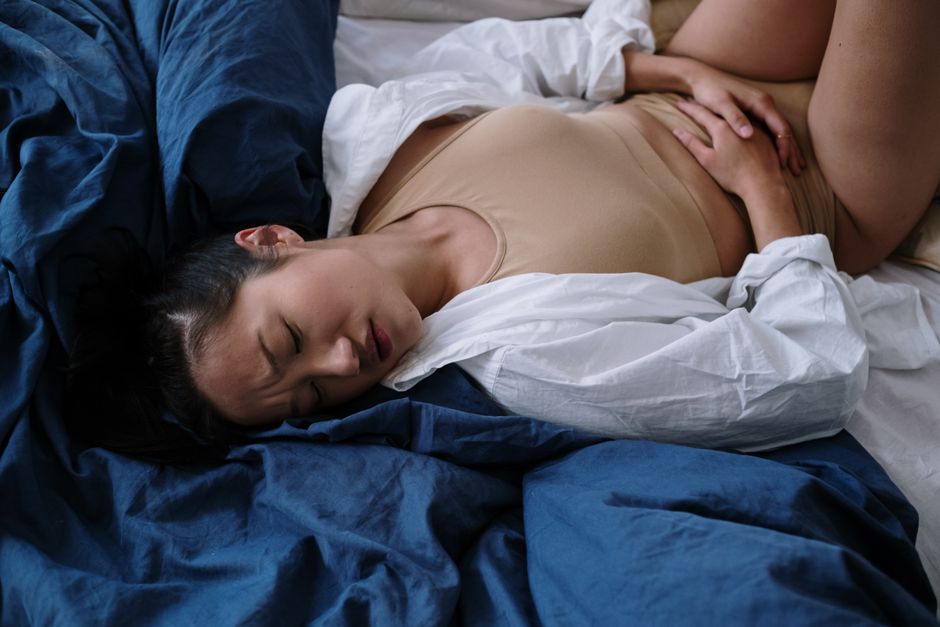
A Shakti mat is a plastic spike mat used for acupressure-style stimulation. To use one for sleep, people typically lie on it for 10 to 30 minutes before bed. For pain, they lie on it for a similar period and let the initial discomfort fade. The evidence behind these practices is limited. No large human trials have confirmed that spike mats treat insomnia or chronic pain, though some small studies suggest modest short-term effects.
What follows separates what is known from what is claimed. The mat itself is simple. The science around it is thinner than the marketing suggests.
What Is a Shakti Mat and How Does It Work?
A Shakti mat is a fabric-covered foam mat studded with thousands of small plastic spikes. The original version is based on the Indian bed of nails, a traditional practice of lying on sharp points. Several brands now sell similar mats under different names.
The proposed mechanism is straightforward. The spikes press into the skin without breaking it. That pressure stimulates nerve endings in the skin and underlying tissue. The idea is that this input triggers the body’s own pain-modulating systems and promotes relaxation.
There is a plausible biological basis for pressure-based stimulation affecting sensory nerves. Acupressure and massage both involve mechanical pressure on tissue, and both are used in clinical settings for comfort and relaxation. Whether a spike mat produces effects beyond general relaxation is where the evidence gets thin.
One small study on a similar acupressure mat, published in the Journal of Alternative and Complementary Medicine, reported short-term reductions in pain and improvements in perceived relaxation among participants. The study was small. Small studies are prone to overstating effects. They are a starting point, not a conclusion.
How Do You Use a Shakti Mat for Sleep?
People who use a Shakti mat for sleep typically lie on it shortly before bed, either on the back or the stomach, for a short session. The commonly cited range is 10 to 30 minutes. No clinical guideline sets a standard duration for this use.
Here is how most users approach it:
- Place the mat on a bed or floor where you can lie flat.
- Start with a thin layer of clothing or a light sheet between skin and spikes. Bare skin is more intense.
- Lie on your back first. The first minute or two often feels sharp or uncomfortable.
- Breathe slowly and let the sensation settle. Most people report the sharpness fades within a few minutes.
- Stay for 10 to 20 minutes, then move to your normal sleep position off the mat.
The mat is not meant to be slept on overnight. Prolonged pressure against the skin can cause irritation or small marks. The intended use is a short session, not all-night contact.
Why might this help sleep? The most defensible explanation is relaxation. Lying still in a quiet room for 15 minutes is itself a wind-down practice. The novelty of the sensation may also pull attention away from racing thoughts, which is a known feature of many relaxation techniques. Whether the spikes add anything beyond the quiet rest is not established.
How Do You Use a Shakti Mat for Pain Relief?
For pain, the approach is similar. People lie on the mat so the spikes contact the area that hurts, or lie on the back to target the whole spine and surrounding muscles. Sessions of roughly 10 to 20 minutes are common. Again, no established clinical protocol sets the duration.
The pain relief people describe tends to fall into two categories. The first is immediate and short-lived: a warm, tingling, or relaxed feeling in the area after lying down. The second is a broader sense of loosened tension. Neither has been firmly demonstrated in controlled trials of spike mats specifically.
There is a concept worth knowing here. The gate control theory of pain, first described in the 1960s, holds that non-painful sensory input can reduce the perception of pain at the level of the spinal cord. Rubbing a stubbed toe is the everyday example. A spike mat delivers a lot of non-painful mechanical input, which fits the theory. Fitting a theory is not the same as proving a treatment works. The theory explains why the approach is reasonable to try. It does not confirm it works for any specific condition.
People with chronic pain conditions should treat the mat as one optional comfort tool, not a treatment. It does not replace medical care, physical therapy, or prescribed medication.




What Does the Research Actually Show?
The research is limited. That is the honest summary. Most studies on acupressure mats are small, short, and often conducted by researchers with a commercial or institutional interest in the product.
Some studies suggest short-term improvements in self-reported relaxation, stress, and minor pain. Results vary across studies, and the quality of evidence is generally low. Low-quality evidence means the true effect could be larger, smaller, or absent.
No large, independent, long-term trials have confirmed that acupressure mats improve sleep quality or treat chronic pain. Anyone claiming otherwise is going beyond what the data supports.
This does not mean the mats do nothing. It means the evidence is not strong enough to make firm claims. A tool that helps you lie still and relax for 15 minutes may help you feel calmer regardless of what the spikes are doing. That distinction matters when you are deciding whether to spend money on one.
Is a Shakti Mat Safe, and Who Should Avoid It?
For most healthy adults, a spike mat carries low risk. The main issues are skin irritation, small marks, and discomfort during the first minutes of use. These are usually minor and temporary.
Some people should be cautious or avoid it entirely:
- Anyone with a bleeding disorder or who takes blood-thinning medication, because skin pressure can cause bruising or small breaks.
- People with diabetes-related nerve damage or poor circulation in the feet or skin, who may not feel injury as it happens.
- Anyone with an open wound, skin infection, rash, or recent surgery in the area.
- People with thin or fragile skin, common in older adults.
- Anyone who is pregnant should check with a clinician before using one, since no clinical guidelines exist for this group.
Stop using the mat if you notice persistent skin marks, pain that worsens, or any sign of infection. People with a diagnosed pain condition or sleep disorder should talk to a clinician rather than self-treating.
Does It Actually Help, and What Are the Alternatives?
For sleep, the strongest evidence-based tools are behavioral. Cognitive behavioral therapy for insomnia is the first-line treatment for chronic insomnia and is supported by substantial research. It works on sleep habits and thoughts, not on physical stimulation. Good sleep hygiene, a consistent schedule, and limiting screens and caffeine near bedtime are also well supported.
For pain, the evidence base is deeper for physical therapy, graded exercise, and psychological approaches like cognitive behavioral therapy for pain. Heat, gentle movement, and relaxation techniques have reasonable support for comfort.
A Shakti mat can sit alongside these as an optional relaxation aid. It should not replace them. If you try one, give it a fair test over a couple of weeks and notice whether you actually feel better. If the answer is no, the mat is not doing much beyond the quiet rest you could get lying on a blanket.
One clarification worth making: feeling a strong tingling or warmth does not mean the mat is “working” on a deeper level. It means your skin nerves are responding to pressure. That response is real. What it means for your sleep or pain over time is not established.
Frequently Asked Questions
How long should you lie on a Shakti mat?
Most users lie on it for 10 to 30 minutes per session. No clinical guideline sets a standard duration, so start shorter and adjust based on comfort.
Can you sleep on a Shakti mat all night?
No, it is designed for short sessions, not overnight use. Prolonged skin pressure can cause irritation or marks.
Does a Shakti mat really help with sleep?
No large human trials have confirmed that it improves sleep. Some small studies suggest short-term relaxation, which may help some people wind down.
Who should not use an acupressure mat?
People with bleeding disorders, blood-thinning medication, fragile skin, or open wounds should avoid it. Pregnant women should check with a clinician first.
