
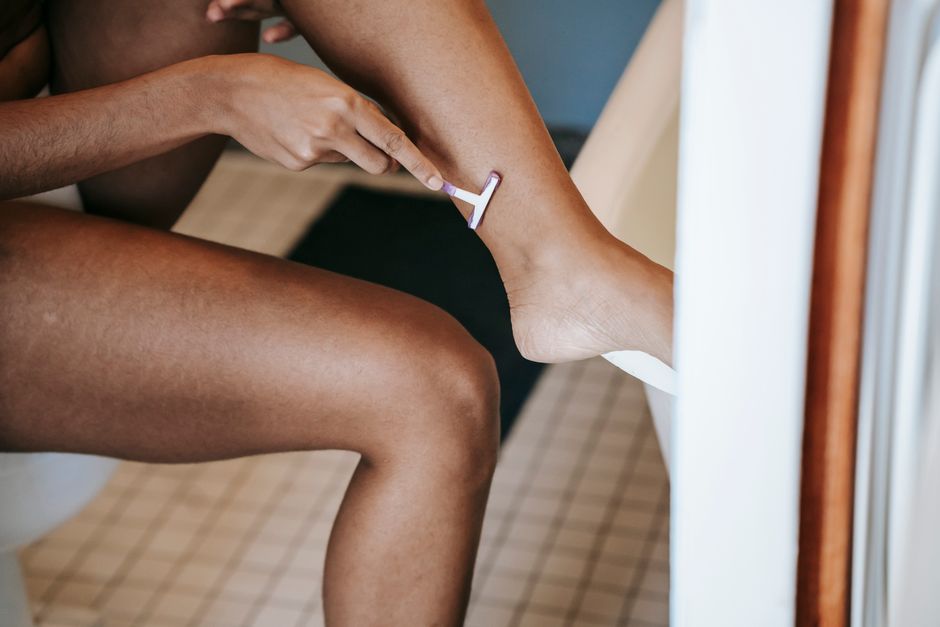
Most razor burn comes from friction, not from the blade itself. A sharp razor, wet skin, light pressure, and shaving in the direction your hair grows will prevent most irritation before it starts. Razor burn is a form of mild skin inflammation, and the fix is less about fancy products and more about technique and preparation.
What Actually Causes Razor Burn?
Razor burn is irritation and inflammation of the skin that shows up as redness, stinging, or small bumps right after shaving. It happens when the blade scrapes away more than hair — it removes a thin layer of the skin’s outer surface and triggers an inflammatory response.
Several things drive this. Dry skin creates more friction as the blade drags. A dull blade tears hair rather than slicing it, and it pulls at the skin. Pressing hard, going over the same spot repeatedly, and shaving against the grain all increase the mechanical stress on skin.
There is a distinction worth knowing. Razor burn is immediate irritation. Razor bumps — small inflamed bumps that can appear a day or two later, especially in the bikini area — are often ingrown hairs, where a cut hair curls back and grows into the skin. They look similar but have different causes, and ingrown hairs are more likely with close, against-the-grain shaving. People with coarser or curlier hair tend to get them more often.
How To Use A Razor For Ladies Without Razor Burn
The single most effective change is to shave in the direction your hair grows. This is called shaving with the grain. It gives a less close shave than going against the grain, but it dramatically reduces friction, nicking, and ingrown hairs. If you want a closer finish, that trade-off is yours to make — just know the irritation risk rises when you shave against the grain.
Here is a sequence that works for most people:
- Soften the hair first. Shave after a warm shower, or hold a warm, damp cloth on the area for a couple of minutes. Wet hair is softer and cuts more easily. Warm water also helps the skin and hair become more pliable.
- Use a lubricant made for shaving. Shaving cream or gel creates a layer between the blade and skin. Bar soap can work in a pinch, but it tends to dry skin and doesn’t cushion as well. Apply enough to cover the area with a thin, even layer.
- Use a sharp, clean blade. A dull blade is a leading cause of irritation. Replace it when it starts to drag or pull. Rinse it after every few strokes to clear hair and shaving cream from between the blades.
- Use light pressure. Let the razor do the work. Pressing down does not give a closer shave — it just irritates skin. Hold the handle with a light grip and glide.
- Shave in short strokes. Long strokes and repeated passes over the same spot increase friction. Go over each area once with the grain, and rinse the blade between strokes.
- Rinse with cool water and pat dry. Cool water can feel soothing after shaving. Pat the skin dry with a clean towel rather than rubbing.
- Moisturize afterward. A plain, fragrance-free moisturizer helps support the skin barrier. Skip products with heavy fragrance or alcohol right after shaving, since these can sting freshly shaved skin.
One clarification that surprises people: shaving does not make hair grow back thicker or darker. That is a well-worn myth. A shaved hair has a blunt tip, which can feel coarser as it regrows, but the hair itself is unchanged in thickness and color.
Does the Type of Razor Matter?
Blade count and razor type affect irritation, though not as much as technique does. A razor with multiple blades can give a closer shave because each pass cuts hair at slightly different levels. But more blades can also mean more passes over the same skin, which increases the chance of irritation for sensitive skin.
For people who get razor burn easily, a single-blade or fewer-blade razor is often gentler, because it removes less skin surface per stroke. The evidence comparing blade counts head-to-head is limited, so this comes down to what your skin tolerates. What is well established: a sharp blade beats a dull one every time, regardless of how many blades it has.
What About Shaving the Bikini Area and Other Sensitive Skin?
Sensitive areas like the bikini line, underarms, and face are more prone to razor burn and ingrown hairs. The skin is thinner and more delicate in some of these areas, and hair tends to be coarser.
The same principles apply — soften the hair, use lubricant, shave with the grain, use light pressure — but go slower and be more careful. Shaving against the grain in the bikini area is a common trigger for ingrown hairs. Many clinicians suggest shaving with the grain there and avoiding repeated passes.
If you regularly get ingrown hairs, gentle exfoliation in the days after shaving can help prevent hairs from getting trapped. Be careful not to over-exfoliate freshly shaved skin, which is more vulnerable to irritation.
What Should You Do If Razor Burn Already Happened?
Stop shaving the irritated area until it settles. Give the skin a few days to recover before shaving again — shaving over inflamed skin tends to make it worse.
Cool compresses can soothe the stinging. A plain, fragrance-free moisturizer supports the skin barrier while it heals. Avoid tight clothing over the area and skip products with alcohol or strong fragrance, which can sting.
Most razor burn clears on its own within a few days. If redness spreads, the area becomes hot or painful, or you see pus, that can signal an infection and warrants medical attention. Ingrown hairs that don’t resolve, or that keep coming back in the same spot, are also worth discussing with a clinician.
Do After-Shave Products and “Razor Burn Creams” Actually Help?
Some do, some are marketing. The honest position is that the evidence for most specific after-shave products is limited, and no product substitutes for good technique.
What has reasonable support: fragrance-free moisturizers that support the skin barrier, and cool compresses for immediate soothing. Some clinicians recommend products containing soothing ingredients like aloe or colloidal oatmeal for mild irritation, though large trials specifically for razor burn are lacking.
Be skeptical of products marketed as preventing razor burn when the real fix is a sharp blade and lighter pressure. No cream compensates for shaving dry skin with a dull razor. And avoid anything with high alcohol content right after shaving — it can sting and dry the skin further.
Frequently Asked Questions
Should I shave with or against the grain to avoid razor burn?
Shave with the grain — in the direction your hair grows — to reduce friction and irritation. Shaving against the grain gives a closer shave but raises the risk of razor burn and ingrown hairs.
Does shaving make hair grow back thicker?
No. Shaving does not change hair thickness, color, or growth rate. A shaved hair has a blunt tip that can feel coarser as it regrows, but the hair itself is unchanged.
How often should I replace my razor blade?
Replace the blade when it starts to drag, pull, or feel dull — often after several uses, depending on how often you shave and how coarsely hair grows. A dull blade is a common cause of razor burn.
Can I shave over razor burn?
No. Give irritated skin a few days to heal before shaving again, since shaving over inflamed skin tends to make it worse. If redness spreads or you see pus, see a clinician.
