
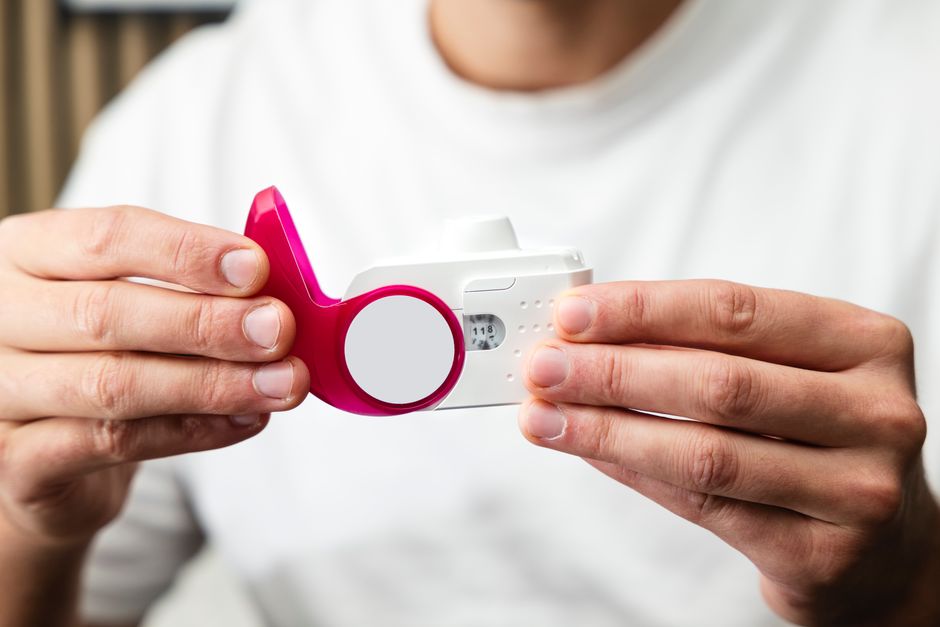
A peak flow meter is a small, handheld device that measures how fast you can push air out of your lungs. It is a simple way to track asthma control from home. The device gives you a number called your “peak expiratory flow,” or PEF. You compare that number to your personal best to find your green, yellow, and red zones. These zones tell you whether your asthma is stable, getting worse, or requires immediate medical attention. Using one correctly takes about one minute, but doing the steps in the right order matters for an accurate reading.
What Is a Peak Flow Meter and Why Use One?
A peak flow meter measures the fastest speed of your exhaled breath. It does not measure the total amount of air in your lungs. It measures the force of your first burst of air. When your airways narrow from asthma, that number drops before you even feel symptoms. That is why the device is useful. It can warn you about a flare-up early, sometimes a day or two before you notice wheezing or chest tightness.
Your doctor may recommend one if you have moderate to severe asthma, if you use daily controller medication, or if you have a history of sudden severe attacks. Some people use it only when symptoms appear. Others use it every morning and evening. Your asthma action plan should tell you how often to check. If you do not have a written plan, ask your doctor to create one with you.
How To Use A Peak Flow Meter Steps And Zones
Using a peak flow meter requires consistent technique. Small mistakes change the number. Follow these steps every time you measure.
Step 1: Stand up straight. Standing gives your lungs the most room to expand. If you cannot stand, sit upright in a chair. Do not measure lying down.
Step 2: Move the marker to the bottom of the scale. The sliding marker should rest at zero or the lowest number on the meter.
Step 3: Take a deep breath in. Fill your lungs as much as you can. Your goal is to get a full breath before you blow out.
Step 4: Seal your lips around the mouthpiece. Your tongue should not block the opening. Hold the meter level with the floor. Do not let air escape from the sides of your mouth.
Step 5: Blast the air out as hard and fast as you can. This is a quick, forceful blow, not a slow exhale. It should last about one second.
Step 6: Read the number. Look at where the marker stopped. Write that number down immediately.
Step 7: Repeat two more times. Wait about 30 seconds between blows. Record all three numbers. The highest of the three is your reading for that session. Do not average them.
Clean the mouthpiece regularly with warm water and mild soap. Let it dry completely before the next use. Check the meter for cracks or damage. A damaged meter gives unreliable numbers.
How To Find Your Personal Best Number
Your “personal best” is the highest peak flow number you can achieve when your asthma is well controlled. You cannot guess this number. You have to measure it over time.
For two to three weeks, measure your peak flow two to four times daily. Use the technique described above every time. Take your readings at the same times each day, such as morning and evening. Also take a reading after you take your quick-relief inhaler if you use one. Write down every number.
Your personal best is the highest number you record during that period when you feel well and have no symptoms. Many people find their personal best in the afternoon or evening rather than in the morning. That is normal. Morning readings are often lower because airways naturally narrow slightly overnight.
Your personal best is unique to you. It depends on your age, height, sex, and lung function. Do not compare your number to someone else’s. A “normal” number for one person can be abnormal for another. Only your own personal best matters for your asthma plan.





Understanding the Green, Yellow, and Red Zones
Once you know your personal best, your doctor will help you set up three zones. These zones are based on percentages of your personal best. They are standard across most asthma action plans.
- Green zone (80 to 100 percent of your personal best): Your asthma is under control. Take your regular medications as prescribed. You should have no symptoms.
- Yellow zone (50 to 79 percent of your personal best): Your airways are narrowing. This is a warning sign. You may or may not feel symptoms. Follow your asthma action plan. It usually tells you to take your quick-relief inhaler and monitor closely. Contact your doctor if your numbers stay in this zone.
- Red zone (below 50 percent of your personal best): This is a medical emergency. Take your quick-relief inhaler immediately. Seek emergency medical care right away if your number does not improve quickly or if you have trouble breathing, talking, or walking.
Here is an example. If your personal best is 400 liters per minute, your green zone starts at 320. Your yellow zone is 200 to 319. Your red zone is anything below 200. Your doctor may adjust these ranges based on your history. Always follow the written plan your doctor gives you.
How Often Should You Measure Your Peak Flow?
There is no single correct frequency for everyone. It depends on your asthma control and your doctor’s instructions. Some people measure once daily in the morning. Others measure twice daily. Some only measure when they feel symptoms.
If your asthma is well controlled and you rarely have symptoms, daily monitoring may not be necessary. If you have frequent symptoms, recent attacks, or you are adjusting medications, more frequent monitoring helps. Some research suggests that daily monitoring does not improve outcomes for everyone with asthma. It matters most for people with poor symptom perception, a history of sudden severe attacks, or ongoing poor control.
Talk to your doctor about what frequency fits your situation. Consistency matters more than frequency. A reading taken every day at the same time gives more useful trends than random measurements throughout the week.
Common Mistakes That Skew Your Reading
Several small errors can make your peak flow number lower than it really is. That can push you into a lower zone and cause unnecessary worry or medication changes.
Not standing up straight is a common mistake. Slouching compresses your chest and reduces your blow force. Not sealing your lips fully around the mouthpiece lets air escape. Blowing slowly instead of with a fast burst gives a low reading. Stopping before you have fully emptied your lungs also lowers the number.
Another mistake is taking only one reading. The highest of three blows is the most reliable. A single reading can be affected by a cough, a partial breath, or poor technique. Also, do not shake the meter or tap the marker before reading it. That can move the marker and change your result.
If your readings suddenly drop, check your technique first. Repeat the measurement. If the number is still low, follow your asthma action plan. A low reading is not a reason to panic. It is a reason to act according to your plan.
When Peak Flow Readings Are Not Enough
Peak flow meters have limits. They measure large airway function, not small airway function. Some asthma changes happen in smaller airways that a peak flow meter may not detect. Also, the test requires maximum effort. Children, older adults, or people with severe breathing difficulty may not be able to produce a reliable reading.
Peak flow numbers do not replace symptom tracking. Some people have significant symptoms even when their peak flow is in the green zone. Others feel fine when their number drops. That is why your asthma action plan usually includes both symptom checks and peak flow readings. Use both together.
If you use a spacer with your inhaler, a peak flow meter is a separate device. It does not replace your spacer or your inhaler. It is a monitoring tool, not a treatment.
Frequently Asked Questions
What is a normal peak flow reading?
There is no single normal number that applies to everyone. Your normal is your personal best, which depends on your age, height, sex, and lung health.
How do I know if my peak flow is in the red zone?
Your red zone is below 50 percent of your personal best. If your reading falls below that line, take your quick-relief inhaler and seek emergency care if it does not improve.
Should I use my peak flow meter before or after my inhaler?
Measure before you take your quick-relief inhaler to see your baseline. You can also measure 15 to 20 minutes after taking it to see how well it worked.
Can a peak flow meter replace my symptom diary?
No. Peak flow numbers and symptoms each provide different information. Your asthma action plan should include both for the most complete picture of your control.
