
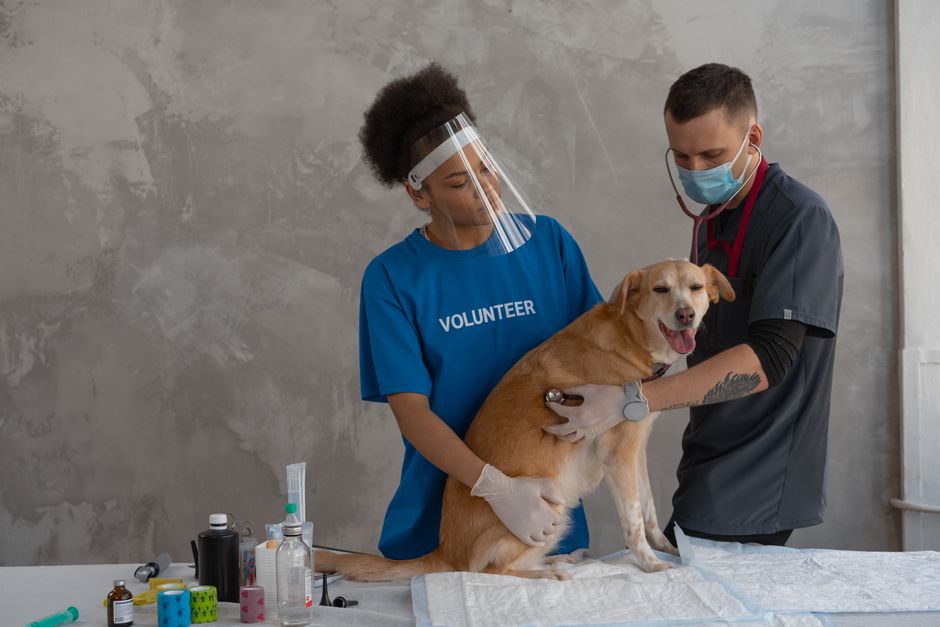
Canine parvovirus is a serious and sometimes deadly illness, and the risk is not the same on every street. A parvo map is a tool that shows where cases have been reported in your area. You use one by checking local case data before walks, avoiding hotspots with unvaccinated or young dogs, and keeping your dog’s parvo vaccination up to date.
That is the short version. The rest of this article explains what these maps actually show, where the data comes from, and the limits you should understand before you treat one like a guarantee of safety.
What Is A Parvo Map And What Does It Actually Show?
A parvo map is a visual display of reported parvovirus cases in a geographic area. Most are built from veterinary clinic reports, shelter intake data, or voluntary submissions from pet owners and vets.
What it shows is where cases have been reported. That word matters. A map is only as complete as the reporting behind it. Many clinics do not report parvovirus to any central database, because in most places it is not a legally reportable disease the way rabies is. That means a blank area on a map does not mean the virus is absent.
Parvovirus is also environmentally stubborn. The virus can survive in soil and on surfaces for months, and possibly longer in cool, shaded conditions. A case reported in a park three months ago may still represent a real risk today. Maps that only show recent cases can miss this.
So treat a parvo map as one piece of information, not a verdict. It tells you where known activity has been. It cannot tell you where the virus is not.
Where Does Parvo Map Data Come From?
Data sources vary widely, and the quality varies with them. Common sources include:
- Veterinary clinics that voluntarily share positive test results
- Animal shelters and rescues tracking intake cases
- Municipal animal control records
- Crowd-sourced reports from pet owners
Crowd-sourced maps can be useful for early signals, but they carry obvious problems. A report may be based on a positive test, a vet’s suspicion, or a worried owner’s guess. There is no way to verify each entry. Clinic-based data is generally more reliable but covers only the animals that actually saw a vet.
Some regions have more formal surveillance. Where local authorities or veterinary networks track cases systematically, the picture is more trustworthy. Where they do not, the map is a rough sketch.
How Do You Read A Parvo Map Correctly?
Read a parvo map for patterns, not for a green light. The useful signals are clusters of recent cases, areas where cases keep appearing over time, and hotspots near places dogs gather.
Here is how to get real value from one:
- Check the date on each case. A cluster from last year tells you less than a cluster from last month, though the virus’s persistence in soil means old sites are not automatically safe.
- Look at the source behind each report. Verified clinic data carries more weight than an unverified online post.
- Zoom in on your actual routes. A case across town matters less than one at the park you visit daily.
- Watch for trends, not single dots. Rising case counts in an area are more meaningful than one isolated report.
A single dot on a map is not a reason to panic. A growing cluster near your regular walking spots is a reason to be more careful.
How To Use A Parvo Map To Protect Your Pet
Using a parvo map well means pairing it with vaccination and sensible habits. The map guides your choices. It does not replace the basics.
Vaccination is the foundation. Puppies and dogs that are not fully vaccinated are at the highest risk. Puppies are especially vulnerable because they may still have maternal antibodies that interfere with vaccines, leaving a gap in protection. Your veterinarian sets the vaccination schedule, and following it closely matters more than any map.
Avoid hotspots with vulnerable dogs. If your map shows active cases near a dog park, a pet store, or a training class, consider skipping those spots with a puppy that is not fully vaccinated. Unvaccinated adult dogs carry the same risk.
Be careful with surfaces. Parvovirus spreads through contact with infected feces and contaminated ground or objects. Dogs that sniff or lick contaminated soil can pick it up. After walks in higher-risk areas, wiping paws and keeping your dog away from unknown feces is reasonable. Note that common household disinfectants do not reliably kill parvovirus; bleach solutions are the standard recommendation, and even those require proper contact time.
Watch for symptoms. Parvovirus typically causes severe vomiting, bloody diarrhea, lethargy, and loss of appetite. These are emergencies. If you see them, contact a veterinarian immediately rather than waiting.
What Are The Limits Of Parvo Maps?
Parvo maps have real blind spots, and knowing them keeps you from false confidence. The biggest is underreporting. Many cases never enter any database.
Timing is another limit. Maps lag behind reality. A case may appear days or weeks after it happened, and by then the risk may have shifted.
Geography can mislead too. A map pin might represent a clinic’s location rather than where the dog was infected. The virus can travel on shoes, tires, and paws, so a case reported in one spot does not mean the infection happened there.
No map can tell you a place is safe. The most reliable protection remains vaccination, avoiding known hotspots with vulnerable dogs, and prompt veterinary care when symptoms appear.
Should You Rely On A Parvo Map Alone?
No. A parvo map is a helpful supplement to vaccination and good habits, not a substitute for them. The evidence for vaccination as the primary protection against parvovirus is strong and long established. The evidence for maps as a protective tool is much thinner, because maps are only as good as their data.
Use a map to make smarter choices about where and when you walk a vulnerable dog. Do not use it to decide whether to vaccinate, and do not let a quiet map convince you a puppy is safe in a high-traffic dog area before its vaccine series is complete.
Frequently Asked Questions
How accurate are parvo maps?
Accuracy varies widely because most rely on voluntary reporting, and many cases are never reported at all. A map shows known activity, not the full picture.
Can my dog get parvo in my own yard?
Yes, if the virus has been brought in on shoes, paws, or objects, since it can survive in soil for months. Keeping up with vaccination is the main protection.
How long does parvo live in the environment?
The virus can survive in soil and on surfaces for months, and possibly longer in cool, shaded conditions. Common household cleaners do not reliably kill it, and bleach solutions are the standard recommendation.
Should I avoid dog parks if my area shows parvo cases?
Avoid them with puppies that are not fully vaccinated and with any unvaccinated dog. Fully vaccinated adult dogs have strong protection, though no vaccine is 100 percent effective.
