
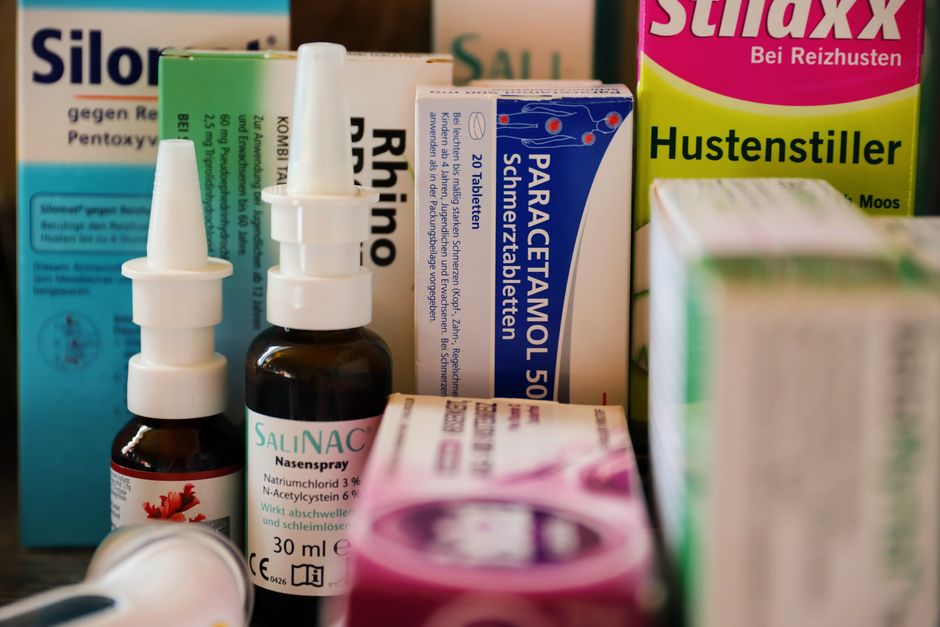
Using a nasal spray correctly makes a real difference in how well it works. Many people tilt their head back and spray quickly, but that often sends the medication down the throat instead of into the nasal passages. The right technique takes about 30 seconds: blow your nose first, shake the bottle if directed, tilt your head slightly forward, aim the spray away from the center of your nose, and breathe in gently as you press the pump. This guide walks through each step and explains why the details matter.
How To Use a Nasal Spray Correctly
Start by gently blowing your nose to clear any mucus. This lets the spray reach the nasal lining instead of sitting on top of mucus. Wash your hands with soap and water before handling the bottle.
Shake the spray bottle if the instructions say to. Some sprays need shaking to mix the medicine evenly. Remove the cap and prime the pump if it is new or has not been used for a day or two. Priming means spraying a few times into the air until a fine mist appears.
Tilt your head slightly forward, not backward. Look down at your feet. This position keeps the spray in your nasal passages instead of letting it drip down your throat. Place the nozzle into one nostril, pointing the tip away from the center of your nose — toward the outer corner of your eye. This reduces irritation and helps the medicine coat the nasal lining.
Close the other nostril by pressing gently with your finger. Breathe in slowly and gently through your nose while you squeeze the pump once. Do not sniff hard — a fast sniff pulls the spray into your throat. Breathe out through your mouth. If the instructions say to use two sprays per nostril, wait about 30 seconds between sprays.
Repeat the same steps for the other nostril. After using the spray, wipe the nozzle clean with a dry tissue and replace the cap. Do not share your nasal spray with anyone else.
What Are Common Mistakes When Using a Nasal Spray?
One of the most frequent mistakes is tilting the head back. This sends most of the spray down the back of the throat, where it does not help nasal symptoms and may cause an unpleasant taste or irritation. Keep your head forward, not back.
Another mistake is aiming the nozzle straight up the nose — toward the bridge of the nose. This sprays the medication onto the nasal septum, the cartilage that divides the nostrils. That area has many blood vessels and can become irritated or bleed easily. Aim for the outer wall of the nostril instead.
Sniffing too hard is also common. A gentle, steady breath works better than a sharp sniff. Some people forget to prime the pump or use a spray that has been sitting unused for weeks. Unprimed pumps deliver a weak or uneven dose.
Using a nasal spray past the expiration date or longer than the recommended duration — especially with decongestant sprays — can cause rebound congestion, where the nose feels more blocked than before. Always follow the label instructions for how many days you can safely use the spray.
How To Use a Saline Nasal Spray vs. a Medicated Spray
Saline nasal sprays contain salt water and no active medication. They moisten dry nasal passages and help loosen mucus. You can use them as often as needed because they have no dose limit. The technique is the same as for medicated sprays, but you do not need to worry about timing or maximum daily doses.
Medicated nasal sprays include decongestants, corticosteroids, antihistamines, and other drugs. Each type has specific instructions about how many sprays to use per day and how long to continue. For example, decongestant sprays like oxymetazoline should not be used for more than three days in a row. Overuse can lead to chronic nasal congestion, a condition called rhinitis medicamentosa. Corticosteroid sprays such as fluticasone or mometasone often take several days to show full effect. They are safe for longer use under a doctor’s guidance.
For any medicated spray, check the label for how often to use it and whether you should stop after a certain number of days. Do not exceed the recommended dose. If your symptoms persist, talk to a healthcare provider rather than increasing the dose.





How To Clean and Store Your Nasal Spray
Clean the nozzle after each use. Wipe it with a clean, dry tissue or cloth. Do not use soap or water on the nozzle unless the manufacturer specifically instructs you to do so — some sprays can break down or clog if exposed to moisture.
Store the bottle at room temperature away from direct sunlight and heat. Do not leave it in a hot car. Keep the cap on to prevent dust and bacteria from entering the nozzle. Check the expiration date before each use. Discard the bottle after you have used the number of doses listed on the label, even if some liquid remains inside. The pump may no longer deliver an accurate dose after that point.
Do not share your nasal spray with anyone. Even if the nozzle looks clean, bacteria and viruses can transfer from one person to another. This can cause infections or spread illnesses.
When To Use a Nasal Spray
Nasal sprays are used for different conditions depending on the active ingredient:
- Saline sprays — for dry nose, stuffiness from colds or allergies, and to loosen thick mucus.
- Decongestant sprays — for short-term relief of nasal congestion from colds, sinus infections, or allergies. Use for no more than three days.
- Corticosteroid sprays — for long-term management of allergic rhinitis (hay fever) and non-allergic rhinitis. They reduce inflammation and are usually used daily.
- Antihistamine sprays — for seasonal allergies and sometimes for non-allergic rhinitis. They block histamine and can work quickly for symptoms like sneezing or runny nose.
- Antibiotic or antifungal sprays — for specific infections, prescribed by a doctor. Do not use them without a prescription.
If you are unsure which type of nasal spray to use, talk to a pharmacist or healthcare provider. Using the wrong spray for your condition can delay relief or cause side effects.
Risks and Side Effects of Nasal Sprays
Most nasal sprays are safe when used correctly. Common side effects include a mild stinging or burning sensation inside the nose, sneezing, or a bad taste in the mouth. These usually go away with continued use.
Overusing decongestant sprays can cause rebound congestion. The more you use them, the more your nose depends on them to stay open. This cycle can be hard to break. Stick to the three-day limit for these products.
Corticosteroid sprays can sometimes cause nosebleeds or nasal dryness. Rinsing your nose with saline spray before using the steroid can help reduce irritation. If nosebleeds are frequent or heavy, stop using the spray and see a doctor. Steroid sprays are generally safe for long-term use, but they may slightly increase the risk of fungal infections in the nose or throat in rare cases.
Allergic reactions to nasal sprays are rare but possible. Signs include hives, swelling of the face or lips, or difficulty breathing. If you have any of these symptoms after using a nasal spray, seek medical help immediately.
How To Use a Nasal Spray for Children
Nasal sprays are common for children with allergies, colds, or sinus problems. The technique is similar to adults, but younger children may need help staying still and keeping their head in the right position.
For infants and very young children, saline drops or a bulb syringe are often easier to use than a spray. No clinical guidelines currently exist for using medicated nasal sprays in infants under the age of two without a doctor’s approval. Always check with a pediatrician before giving any medicated nasal spray to a child.
For older children, instruct them to blow their nose first, tilt their head slightly forward, and aim the spray away from the center of the nose. A gentle breath in is better than a hard sniff. If the child finds it difficult, you can hold the spray and guide them. Never force the spray if the child resists — it can cause fear or discomfort.
Storage and cleaning guidelines are the same as for adults. Do not allow children to use a nasal spray unsupervised unless they have been taught the correct technique and you are sure they can follow it.
Frequently Asked Questions
Can I use a nasal spray after the expiration date?
No, discard expired nasal sprays. They may not work properly or could contain bacteria that grew over time.
How long does a corticosteroid nasal spray take to work?
Most corticosteroid sprays begin to relieve symptoms within 12 to 24 hours, but full benefit may take several days of daily use.
Is it safe to use a nasal spray while pregnant?
Saline sprays are safe during pregnancy. For medicated sprays, check with your obstetrician — some decongestants and steroids have limited safety data.
Can I use two different nasal sprays at the same time?
Some combinations are safe, such as a saline spray before a corticosteroid spray. But using two medicated sprays together without medical advice can lead to overuse or interactions.
