
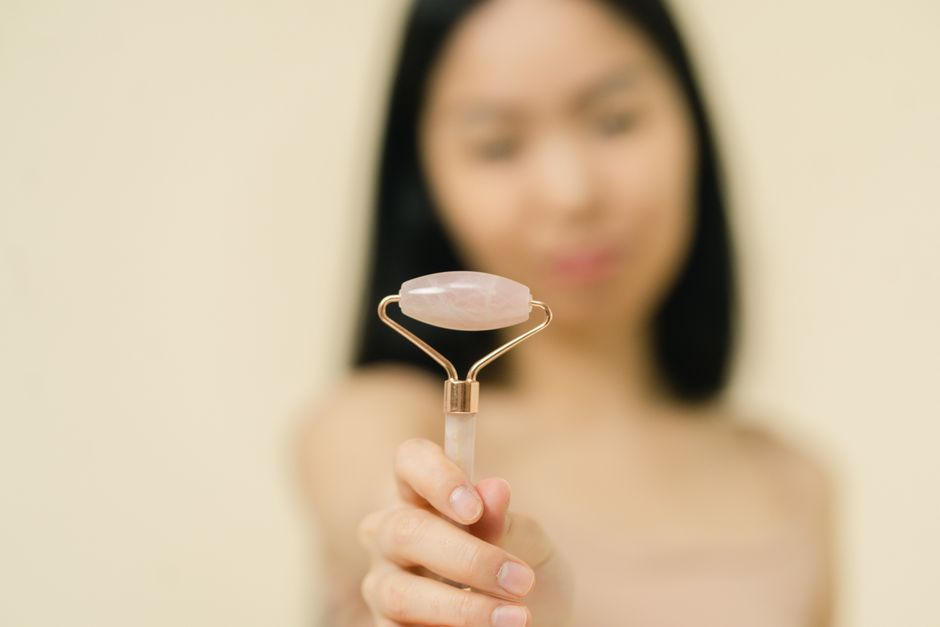
Microneedling at home looks simple: roll a small spiked wheel across your face and let your skin do the rest. The catch is that technique, needle length, and timing decide whether you get a mild, temporary flush or irritation, infection, and tiny scars you did not have before.
To use a microneedle roller the right way, start with clean skin and a sterile roller, roll in one direction per pass rather than back and forth, keep home rollers short (typically 0.2 to 0.5 mm), and avoid actives like retinol and acids for a day or two afterward. Stop at the first sign of pain, bleeding, or persistent redness.
What Does a Microneedle Roller Actually Do to Your Skin?
A microneedle roller creates thousands of tiny punctures in the top layer of skin. That controlled injury triggers a wound-healing response, which is the whole point.
When skin is pricked, it releases growth factors and starts rebuilding collagen and elastin. Over weeks, that can translate into slightly firmer, smoother-looking skin. This is the same basic mechanism behind in-office microneedling, just at a much smaller scale.
Here is the part most people miss: the needles do not deliver anything deep into your skin by themselves. They create channels. Whether those channels help or hurt depends entirely on what you put on your skin afterward and how clean your tools and hands are. A dirty roller pushes bacteria straight into tiny wounds.
Needle length changes everything. Short needles (around 0.2 to 0.25 mm) mostly sit in the dead outer layer and barely reach living skin. Medium needles (0.5 mm) reach the upper dermis. Longer needles (1.0 to 1.5 mm and up) go deeper and are the range where professional oversight matters. At-home use of long needles is where most injuries happen.
How To Use A Microneedle Roller the Right Way (Step by Step)
Clean technique is not optional. A roller is a medical-adjacent tool, and treating it like a beauty gadget is how people end up with infections.
- Wash your hands with soap and water before you touch anything.
- Cleanse your face and pat it dry. Do not roll over makeup, sunscreen, or dirty skin.
- Disinfect the roller by soaking the head in 70% isopropyl alcohol for a few minutes, then let it air dry.
- Roll in one direction per pass. Go vertically, then horizontally, then diagonally. Do not roll back and forth like a paint roller.
- Use light pressure. You want a mild pink flush, not pain or bleeding.
- Keep passes short. A few passes per direction across each area is enough. More is not better.
- Skip the eye area, lips, and any active breakout, cold sore, or broken skin.
- Finish with a gentle, fragrance-free moisturizer. Nothing harsh.
- Disinfect the roller again after use and store it covered.
Do not share your roller with anyone. Ever. Blood-borne pathogens can survive on needles, and sharing defeats every hygiene step above.
What Needle Length Should You Use at Home?
For home use, shorter is safer. Needle length is the single biggest factor in both results and risk, and longer needles belong in trained hands.
| Needle length | Where it reaches | Typical use |
|---|---|---|
| 0.2–0.25 mm | Outer dead skin layer | Home use; mild product absorption |
| 0.5 mm | Upper living skin | Home use by cautious users; more discomfort |
| 1.0 mm and up | Deeper skin layers | In-office, trained professional |
At 0.2 to 0.25 mm, you are mostly improving how well skincare products absorb, not remodeling collagen. That is a real effect, but it is modest. If you want deeper collagen remodeling, that generally means a clinician and a longer needle.
There is no universal rule that longer equals better. Longer needles mean more bleeding, more downtime, and more risk of scarring and pigmentation changes, especially on darker skin tones. If you have a darker skin tone, you are at higher risk of post-inflammatory hyperpigmentation from any needle injury. Talk to a dermatologist before rolling at home.
-
 EyeFortin Reviews 2026: Clear Vision Or A marketing Scam?
-
Mounjaboost Reviews & Complaints: Does Drops Work for Weight Loss?
-
Yu Sleep Weight Loss Supplement Reviews. Critical March 2026 Update.
-
Neuro Energizer Review 2026. Legit Brain Tool or Just Hype?
-
Acupuncture for Weight Loss: Does It Really Work?





How Often Should You Use It?
Frequency depends on needle length, and the shorter the needle, the more often it is generally tolerated.
For very short needles (0.2 to 0.25 mm), some users roll a few times a week. For 0.5 mm, spacing sessions further apart, often once every week or two, gives skin time to recover. These are common practice patterns, not firm clinical rules. There is no large, definitive trial telling us the ideal home frequency.
The honest position: more frequent rolling does not reliably produce better results, and it clearly increases irritation. If your skin is still red or tender from last time, you rolled too soon or too hard. Give it more days.
What Should You Put on Your Skin After Rolling?
After microneedling, your skin is temporarily more permeable. That cuts both ways.
Good options: a plain, fragrance-free moisturizer, and hyaluronic acid, which holds water in the skin. These are gentle and unlikely to sting.
Skip for at least 24 hours, and longer if your skin is still irritated:
- Retinol and retinoids
- Alpha and beta hydroxy acids (glycolic, lactic, salicylic)
- Vitamin C in high concentrations
- Anything with fragrance, essential oils, or alcohol
- Exfoliating scrubs
This is where a lot of home users go wrong. They roll, then apply a strong acid serum, and end up with a red, burning, irritated face. The roller did not cause that. The combination did.
Do not use a roller to push prescription products deeper unless a clinician has specifically told you to. That is a real technique in some clinical settings, but it is not a do-it-yourself move.
Who Should Not Use a Microneedle Roller?
Microneedling is not for everyone, and some people should skip it entirely.
Avoid rolling if you:
- Have an active acne breakout, cold sore, or skin infection
- Have eczema, psoriasis, or rosacea in the area you want to treat
- Are on isotretinoin (Accutane) or recently finished it
- Take blood thinners or have a bleeding disorder
- Have a history of keloid scarring
- Are pregnant or breastfeeding (guidance here is limited, so check with a clinician)
- Have had recent cosmetic procedures or fillers in the area
If you have any of these, the safe move is to ask a dermatologist rather than guess. No clinical guidelines specifically cover home microneedling for most of these groups, so individual advice from a clinician matters more than any general rule.
What Are the Real Risks?
Home microneedling is generally low-risk when done with short needles, clean tools, and reasonable spacing. It is not risk-free.
The main risks are infection from a dirty roller, irritation and prolonged redness, post-inflammatory hyperpigmentation, and scarring from going too deep or too often. There is also a subtler risk: over-rolling damages the skin barrier, which can leave skin more sensitive and reactive over time.
Red flags to stop and see a doctor:
- Pain that does not settle within a day
- Spreading redness, warmth, or swelling
- Pus or weeping
- Fever
- New or worsening dark patches
Do not push through these hoping they resolve. Skin infections can worsen quickly.
Does It Actually Work?
For in-office microneedling with longer needles, there is reasonable evidence for improving the appearance of scars, fine lines, and skin texture. For home rollers with short needles, the evidence is much thinner.
Short needles mainly improve product absorption. That is a genuine effect, but it is not the same as collagen remodeling. If a product claims dramatic anti-aging results from a 0.25 mm roller, treat that claim with skepticism. No strong clinical evidence supports deep structural change from very short needles at home.
What home rolling can realistically do: help your moisturizer and serums absorb better, and give a mild, temporary glow. What it probably will not do: erase deep wrinkles or scars on its own.
Frequently Asked Questions
Can I use a microneedle roller every day?
Only very short needles (0.2 to 0.25 mm) are commonly used a few times a week, and daily use is not well supported. If your skin stays red or tender, you are rolling too often.
Should I roll back and forth or in one direction?
Roll in one direction per pass, then change direction for the next pass. Back-and-forth rolling causes more trauma and irritation than it needs to.
What happens if I use a roller without cleaning it?
You can push bacteria into tiny wounds and cause an infection. Always disinfect the roller head with 70% isopropyl alcohol and let it air dry before and after use.
Can microneedling make acne worse?
Rolling over active acne can spread bacteria and irritate inflamed skin, so avoid breakouts entirely. Wait until the area has healed before rolling.
