
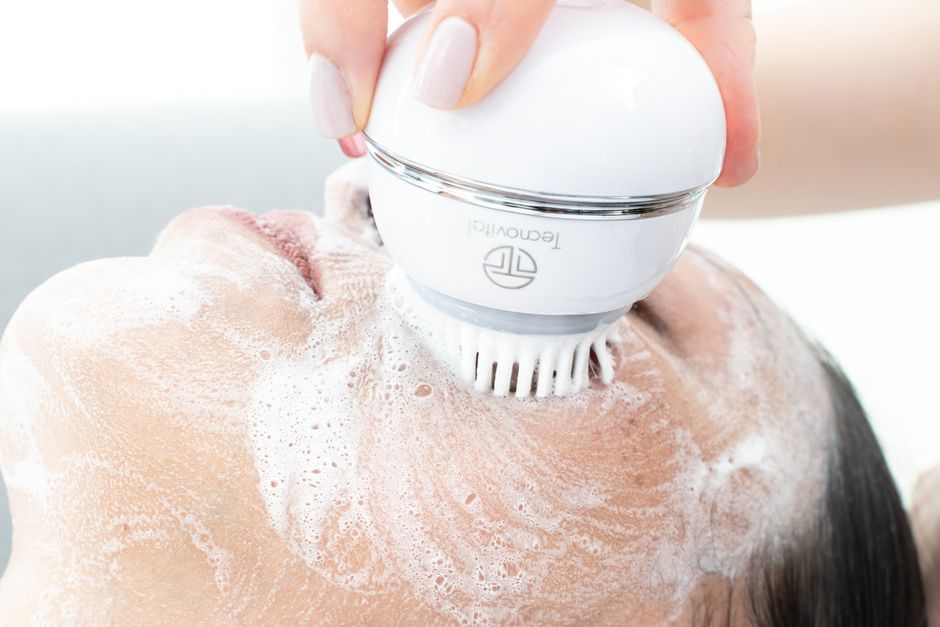
Microcurrent devices send a very low-level electrical current through the skin. The goal is to stimulate facial muscles and encourage the skin to look firmer. Used correctly, they can temporarily lift and tone the face. Used incorrectly, they can irritate the skin or simply waste your time.
The basic routine is simple: prepare your skin, apply conductive gel, glide the device along the muscle lines, and finish with moisturizer. The details matter more than the device itself. Here is the full process, explained clearly.
How To Use A Microcurrent Device On Your Face
Start with a completely clean, dry face. Remove all makeup, sunscreen, and oils. The current cannot penetrate properly through these barriers. It also increases the risk of skin irritation.
Apply a thin layer of conductive gel to the areas you plan to treat. This gel is essential. It allows the current to move smoothly across the skin. If the skin is too dry, the device will not glide and you may feel a sharp, uncomfortable zap. Some devices come with their own gel. If you use a generic ultrasound gel, check the ingredients for anything that might clog pores.
Turn the device on at the lowest setting first. This is especially important if you are new to microcurrent. Glide the device slowly across the skin. The typical pace is about one inch per second. Move the device in an upward and outward direction, following the natural contours of your face. Do not hold the device in one spot. Keep it moving.
Most devices require both sides of the device to touch the skin to complete the circuit. If you are using a device with two prongs, keep both in contact with the skin at all times. If you use a single-prong device, you may need to hold the other electrode in your hand. Check your specific device manual for this detail.
Treat the forehead, cheeks, jawline, and neck in small sections. Spend about one to two minutes per area. The whole session should take no more than 10 to 15 minutes. When you finish, apply a moisturizer or serum. The skin is often more receptive to skincare products right after a session.
How Does Microcurrent Actually Work?
Microcurrent mimics the body’s own natural electrical signals. The body uses electrical impulses to communicate with muscles and cells. The device sends a similar signal at a very low level, measured in microamperes — millionths of an amp.
The theory is that this current stimulates the facial muscles to contract and tone. This is similar to how a muscle responds to exercise. It also increases the production of ATP, the energy molecule in cells. More ATP may support collagen production and cell repair.
This is not a permanent change. The effects are temporary. A session can produce an immediate lift that lasts for a few hours. With consistent use, the results may last longer, but you need to keep up the routine. If you stop using the device, the effects fade over time.
Research on microcurrent is limited. Some small studies have shown improvements in facial firmness and muscle tone. However, large, long-term clinical trials are lacking. The evidence is not strong enough to call this a proven anti-aging treatment. It is better described as a temporary cosmetic improvement.
What Gel Should You Use?
The gel is not optional. It is a critical part of the treatment. The conductive gel helps the current travel evenly across the skin. Without it, the current can concentrate in one spot, causing discomfort or even a mild burn.
Most brands sell their own conductive gel. These are usually safe and formulated to work with their specific device. You can also use aloe vera gel, as long as it does not contain alcohol or added colors. Alcohol can dry the skin and interfere with the current.
Do not use oil-based products. Oils do not conduct electricity well. They can also leave a film on the device that is hard to remove. Water-based gels are the best choice.
If you have sensitive skin, test the gel on a small area of your arm first. Wait a few hours to see if any redness or irritation develops. If it does, try a different gel.





How Often Should You Use It?
Most manufacturers recommend using the device three to five times per week. Some people use it daily. The best frequency depends on your skin’s tolerance and your schedule.
For the first few weeks, a consistent routine is important. This helps build the muscle response. After that, you can reduce the frequency to two or three times per week for maintenance. Some people find that once a week is enough to maintain results.
Listen to your skin. If you notice redness, irritation, or a burning sensation, reduce the frequency. If the irritation continues, stop using the device entirely and consult a dermatologist.
There is no clinical guideline for how often to use a microcurrent device. The recommendations come from the manufacturers, not from independent research. Start slow and adjust based on how your skin responds.
Who Should Not Use Microcurrent?
Microcurrent is generally safe for most healthy adults. But there are important exceptions. If you are pregnant, do not use a microcurrent device. There is no evidence that it is harmful, but there is also no evidence that it is safe. The lack of data means the cautious choice is to avoid it.
If you have a pacemaker, defibrillator, or any implanted electrical device, do not use microcurrent. The current can interfere with these devices. This is a firm contraindication, not a suggestion.
People with epilepsy or a history of seizures should also avoid microcurrent. The electrical stimulation could potentially trigger a seizure, though this has not been well studied. The risk is not worth taking.
If you have active skin infections, open wounds, or severe acne, wait until the skin heals. The current can spread bacteria or irritate inflamed areas. Similarly, if you have had recent facial surgery or Botox injections, wait until your doctor clears you for use.
Common Mistakes To Avoid
Using the device on dry skin is the most common mistake. It hurts. It also does not deliver the current effectively. Always use enough gel to keep the skin slick.
Moving too quickly is another mistake. Rushing through a session reduces the effectiveness. The current needs time to stimulate the muscle. Slow, deliberate strokes work better than fast ones.
Pressing too hard is also common. The device does not need pressure. It needs contact. Pressing hard can stretch the skin and cause irritation. Let the weight of the device do the work.
Using the device on broken or irritated skin is a mistake. The current can be painful and may delay healing. Wait until the skin is intact before using the device.
What Results Can You Realistically Expect?
The immediate effect is a temporary lift. Your face may look slightly firmer and more awake for a few hours after a session. This is a real effect, but it does not last.
With consistent use over several weeks, some people report improved muscle tone and a more defined jawline. The skin may look smoother. These changes are subtle. They are not comparable to the results of surgical procedures or injectable treatments.
No study has confirmed that microcurrent produces long-term anti-aging effects. The marketing claims often go beyond what the evidence supports. Be realistic about what this device can do. It is a cosmetic tool, not a medical treatment.
If you are looking for dramatic changes, microcurrent will disappoint you. If you want a gentle, temporary improvement in facial tone, it can be a useful addition to your routine.
Frequently Asked Questions
Can I use a microcurrent device every day?
Most manufacturers recommend three to five times per week, not daily. Daily use may increase the risk of skin irritation without adding extra benefits.
Does microcurrent hurt?
It should not hurt if you use enough conductive gel and keep the device moving. A sharp or stinging sensation usually means the skin is too dry or the setting is too high.
How long do microcurrent results last?
The immediate lift lasts for a few hours to a day. With regular use, the cumulative effect can last longer, but you must maintain the routine to keep results.
Can I use a microcurrent device while pregnant?
No clinical evidence confirms it is safe during pregnancy, so most manufacturers advise against it. The cautious choice is to avoid microcurrent until after pregnancy.
