
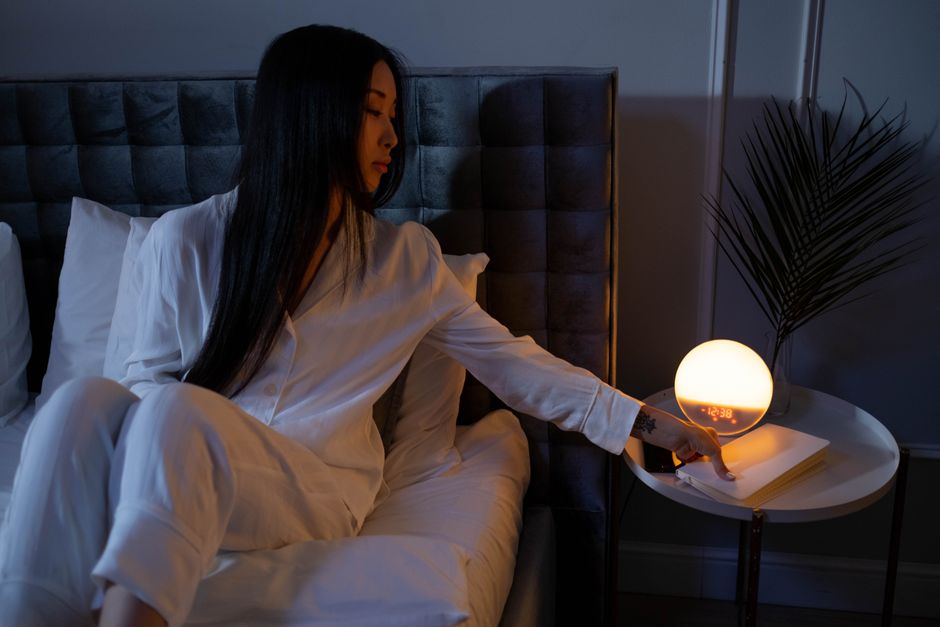
Using a light therapy lamp correctly means sitting close enough to a bright, filtered light box (typically 10,000 lux) for about 20 to 30 minutes, usually in the morning, with your eyes open but never staring directly into the light. The goal is to mimic outdoor daylight at a time that helps reset your body clock. Done right, it is a simple, low-cost routine. Done wrong, it can be uncomfortable or simply fail to help.
Bright light therapy is one of the better-studied non-drug approaches for seasonal mood changes. It is not a magic fix, and it does not replace medical care. But the details of how you use it matter more than most people realize.
How does a light therapy lamp actually work?
Light enters your eyes and signals a small cluster of brain cells called the suprachiasmatic nucleus, which acts as your body’s master clock. Bright light in the morning tells that clock it is daytime. This helps regulate sleep, alertness, and the timing of hormone release, including melatonin.
In people whose mood dips with shorter winter days, morning light appears to help reset a body clock that has drifted. The mechanism is well established in sleep science. What is less certain is exactly why bright light improves mood for some people and not others. The effect is real in studies, but the full biology is still being worked out.
One point that surprises people: the light does not need to touch your skin, and you do not need to look straight at it. The signal travels through your eyes, so your eyes need to be open. That is why closing your eyes or wearing sunglasses defeats the purpose.
What time of day should you use a light therapy lamp?
Morning is the standard recommendation, and for good reason. Light early in the day shifts your internal clock earlier, which supports waking up and feeling alert. Using a lamp late in the evening can do the opposite and make it harder to fall asleep.
Most clinical guidance points to using the lamp within the first hour or so after waking. If your schedule is unusual, such as a night shift, the timing gets more complicated and is best discussed with a clinician who understands shift work.
Consistency matters more than perfection. Using the lamp at roughly the same time each morning helps your body clock settle into a rhythm. Skipping days and then catching up is less effective than a steady routine.
How far away should you sit, and for how long?
Distance and duration depend on the brightness of your specific lamp, so follow the manufacturer’s instructions for your device. The widely studied standard is a 10,000 lux box used at about 16 to 24 inches from your face for roughly 20 to 30 minutes.
Lower-intensity lamps require longer sessions. A 2,500 lux light, for example, generally needs more time than a 10,000 lux box to deliver a similar dose. This is why you cannot simply copy someone else’s routine if your lamp is different.
More is not better. Longer or brighter sessions do not reliably speed up results and can increase side effects like headache, eye strain, or feeling wired. If you feel agitated or jittery, a shorter session or greater distance is the usual adjustment.
What should you do during a session?
You can read, eat breakfast, work at a computer, or answer email. The lamp should be positioned in front of you, angled slightly downward toward your face, so light reaches your eyes indirectly. You do not need to stare at it.
Keep your eyes open and let them move naturally. Glancing at the light occasionally is fine. Staring directly into a bright lamp is not, and it can be uncomfortable or harmful to your eyes.
A few practical habits help:
- Place the lamp slightly off to the side or above eye level to reduce glare.
- Do not use it in a dark room with the lamp as the only light source.
- Keep sessions at a set time so the routine becomes automatic.
- Stop and adjust if you notice headaches, eye strain, or irritability.
Who should be cautious with light therapy?
Light therapy is generally well tolerated, but it is not right for everyone without medical advice. People with certain eye conditions, such as retinal disease or a history of eye surgery, should talk to an eye doctor first. Some medications make the eyes or skin more sensitive to light.
People with bipolar disorder need particular caution. Bright light can, in some cases, trigger a shift toward mania. This does not mean light therapy is off-limits, but it should be used under the guidance of a clinician who knows your history.
If you have a condition affecting your eyes, your skin, or your mood, check with a doctor before starting. This is not a reason to avoid light therapy entirely. It is a reason to get the right guidance first.
How long before you notice a difference?
Some people notice a change within a few days. For others it takes a week or two of consistent use. The evidence does not support a single timeline that fits everyone, and response varies widely.
If you have used a lamp correctly for several weeks and notice no change, that is useful information. It may mean the lamp, the timing, or the dose is not right for you, or that light therapy is not the best fit for your situation. Talk to a clinician rather than simply adding more light.
Does a light therapy lamp replace other treatment?
No. Light therapy is one tool, and for seasonal mood changes it is often used alongside other approaches such as counseling, sleep routine changes, and in some cases medication. It is not a substitute for professional care.
It is also not a proven treatment for every kind of low mood. The strongest evidence is for seasonal patterns tied to reduced daylight. Evidence for other uses is more limited, and claims that a lamp treats general depression or other conditions should be treated with caution.
Be wary of marketing that promises dramatic results. A lamp is a light source, not a cure. What the research supports is a modest, real benefit for some people when it is used correctly and consistently.
Frequently Asked Questions
How many minutes should I use a light therapy lamp?
For a 10,000 lux box, about 20 to 30 minutes at roughly 16 to 24 inches is the commonly studied routine. Follow your device’s instructions, since lower-intensity lamps need longer sessions.
Can I look directly at a light therapy lamp?
No, you should keep your eyes open but not stare into the light. Position the lamp in front of you so light reaches your eyes indirectly while you go about your morning.
Is it bad to use a light therapy lamp at night?
Evening use can shift your body clock later and make it harder to fall asleep. Morning use is the standard recommendation for most people.
Do light therapy lamps actually work?
Research supports a real benefit for some people with seasonal mood changes when the lamp is used correctly and consistently. It is not a cure, and response varies from person to person.
