
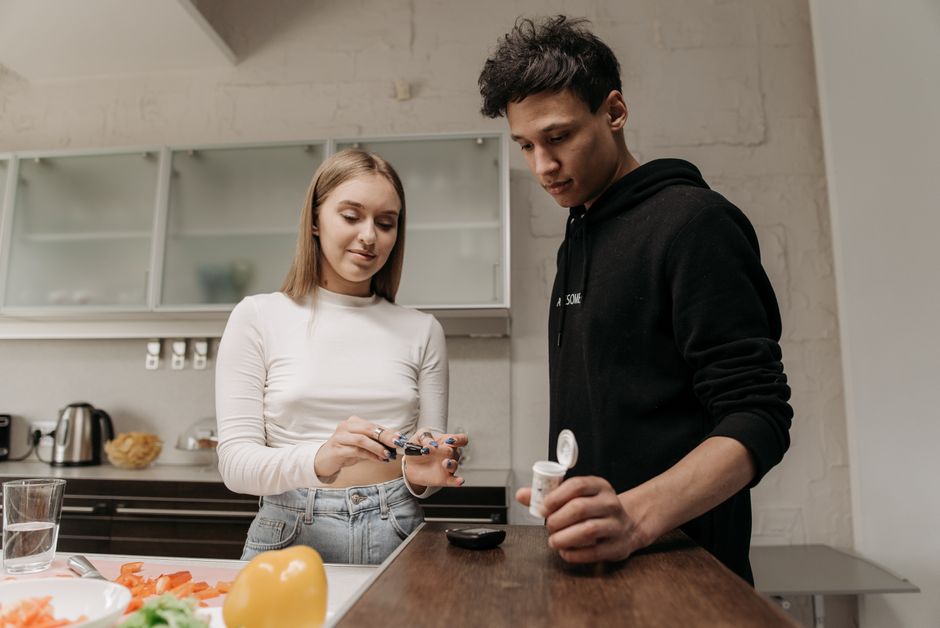
A disposable lancet is a small, sterile needle used to prick the skin and get a drop of blood for testing. You twist off the protective cap, press the lancet against the side of your fingertip, and push the trigger until it clicks. The whole process takes seconds, and using a fresh lancet each time is the single most important step.
What Is a Disposable Lancet and How Does It Work?
A lancet is a thin, sharp needle housed inside a small plastic body. The needle is sterile and designed for one use only. When you press the lancet against your skin and release the trigger, a spring mechanism pushes the needle out and back in a fraction of a second.
That speed is intentional. The needle enters just deep enough to reach the tiny blood vessels in the capillary bed under your skin. It does not go deep enough to hit nerves or larger vessels. This is why finger pricks feel like a quick snap rather than a sharp pain.
Lancets come in different gauges, which refers to needle thickness. A higher gauge number means a thinner needle. Common sizes range from 28 to 33 gauge. Thinner needles generally cause less discomfort, but they may not produce enough blood for some people, especially those with poor circulation or thicker skin.
Many lancets also have adjustable depth settings. These control how far the needle travels into your skin. Shallow settings work well for children or people with thin skin. Deeper settings may be needed for calloused fingertips.
How To Use A Disposable Lancet Step By Step
Getting a good blood drop starts before the lancet touches your skin. Preparation matters as much as the prick itself.
Step 1: Wash Your Hands
Wash with warm soap and water, then dry completely. Warm water increases blood flow to your fingertips, which makes the drop easier to get. Do not use alcohol swabs unless soap and water are unavailable. Alcohol can dry out your skin over time, and if it is not fully evaporated, it can dilute the blood sample and affect some test results.
Step 2: Choose Your Finger
Use the side of your fingertip, not the center. The sides have more blood vessels and fewer nerve endings. The center of the pad is more sensitive. The ring finger and middle finger of your non-dominant hand are common choices because they are used less throughout the day.
Rotate which finger you use each time. Pricking the same spot repeatedly can cause soreness and callus formation.
Step 3: Prepare the Lancet
Remove the lancet from its packaging. Twist off the small round cap that covers the needle. Do not touch the exposed needle. If you accidentally touch it or drop it, use a new one.
If your lancet device has a depth setting, choose one based on your skin. Start shallow. You can always go deeper next time, but you cannot undo a prick that was too deep.
Step 4: Position and Prick
Press the lancet firmly against the side of your fingertip. Hold it steady. Push the trigger or press the release button. You will feel a quick snap.
Do not squeeze your fingertip before pricking. Squeezing forces tissue fluid into the sample, which can dilute the blood and affect accuracy. If blood does not flow easily after the prick, gently massage your finger from the base toward the tip.
Step 5: Collect the Blood
Let the blood drop form naturally. Touch the test strip or collection device to the drop, not your finger to the strip. This prevents contamination and gives a cleaner sample. If your test requires a specific volume, follow the device instructions.
Step 6: Dispose of the Lancet Safely
Do not recap the lancet. Place it directly into a sharps container or a puncture-resistant container with a lid, such as a thick plastic detergent bottle. When the container is three-quarters full, seal it and follow your local disposal rules. Many communities allow sealed sharps containers in regular trash, but check your local regulations.
Never throw a loose lancet into a trash bag. It can injure anyone who handles the bag later.
Why You Should Never Reuse a Lancet
A lancet is sterile only until you use it once. After that, the needle is dull, contaminated with your blood, and no longer safe for reuse.
Reusing a lancet increases the risk of skin infection at the puncture site. A dull needle also causes more tissue damage and more pain. It can tear the skin rather than cleanly pierce it, which leads to bruising and soreness.
There is also a contamination risk. Even if you only use the lancet on yourself, bacteria from your skin can grow on the needle between uses. If you share a lancet device with anyone else, even accidentally, there is a risk of bloodborne infection transmission.
The CDC and diabetes care guidelines consistently recommend a new lancet for every test. Some people reuse lancets out of habit or to save money. The evidence is clear that this practice carries real risks, even if complications are not immediate.





What If You Do Not Get Enough Blood?
Insufficient blood flow is one of the most common frustrations with finger pricking. Several things can help.
- Warm your hands before pricking. Run them under warm water for a minute.
- Drink water beforehand. Dehydration reduces blood volume and makes drops harder to get.
- Lower your hand below heart level and shake it gently to increase blood flow.
- Massage the finger from base to tip before pricking.
- Adjust the depth setting if your lancet allows it.
- Try a different finger. Some fingers naturally bleed more easily than others.
If you consistently struggle to get enough blood, talk to your healthcare provider. They may recommend a different lancet gauge or device. Some medical conditions that affect circulation can make finger pricking more difficult.
Choosing the Right Lancet for Your Needs
Lancets vary in gauge, depth, and compatibility with different lancing devices. The right choice depends on your skin, your circulation, and what you are testing for.
| Feature | Consideration |
|---|---|
| Gauge (needle thickness) | Higher gauge (thinner) causes less pain but may not produce enough blood for some users |
| Depth setting | Shallow for thin skin or children; deeper for calloused fingers |
| Device compatibility | Lancets are often device-specific; check before buying |
| Sterility | Must be individually wrapped and sterile until opened |
Most lancets sold in the US are designed to fit specific lancing devices. A lancet that does not fit your device will not work properly. Check the packaging or your device manual before purchasing replacements.
Some people prefer lancets with a smaller gauge for comfort. Others need a larger gauge to get a reliable drop. There is no single best choice for everyone. What matters most is that the lancet is sterile, fits your device, and produces enough blood for an accurate test.
Safety and Disposal: What You Need To Know
Safe disposal is not optional. Used lancets are considered sharps, and improper disposal can injure others.
A dedicated sharps container is ideal. These are available at pharmacies and medical supply stores. If you do not have one, a heavy plastic container with a screw-on lid works. Do not use glass, thin plastic, or containers that can break or puncture.
When your container is about three-quarters full, close it permanently. Many states allow sealed sharps containers in household trash. Some communities have drop-off sites or mail-back programs. Check with your local waste management authority for specific rules in your area.
If you are in a healthcare setting, follow your facility’s protocol for sharps disposal. Home users should treat every lancet as potentially infectious, even if they only prick themselves.
Frequently Asked Questions
Can I use the same lancet more than once?
No. A lancet is sterile only for a single use, and reusing it increases infection risk and causes more pain because the needle dulls. Always use a new lancet for each test.
Which finger is best for lancing?
The side of your fingertip is best because it has more blood vessels and fewer nerve endings than the center. The ring and middle fingers of your non-dominant hand are common choices.
What should I do if I can’t get enough blood?
Warm your hands, stay hydrated, and massage your finger from base to tip before pricking. If you still cannot get enough blood, try adjusting the depth setting or talk to your healthcare provider about a different lancet.
How do I dispose of used lancets safely?
Place used lancets directly into a sharps container or a puncture-resistant container with a lid, such as a thick plastic bottle. When it is three-quarters full, seal it and follow your local disposal rules.
