
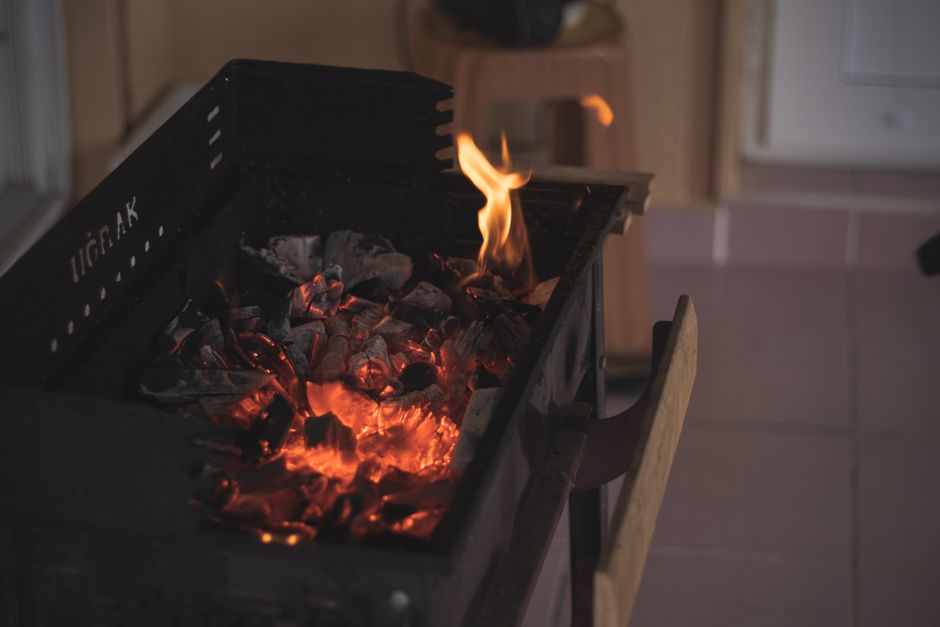
Using a coal stove safely means controlling the fire, managing airflow, and keeping the stove and chimney clean. Efficiency comes from burning the coal hot enough to reduce waste and learning how the stove’s draft works. The most important safety step is having a professional inspect the stove and chimney before the first use of the season. Carbon monoxide poisoning is a real risk with coal, so a working detector is not optional.
What Do You Need To Know Before Lighting A Coal Stove?
Coal burns differently than wood. Wood catches fire easily and burns fast. Coal needs a hot fire to ignite and then burns steadily for a long time. The stove must be rated for coal use. A wood stove is not automatically safe for coal.
Check the stove for cracks, rust, or damaged door gaskets before the season starts. The door must seal tightly. Coal produces more carbon monoxide than wood, and a loose seal on the door is a direct safety hazard. If the stove has a shaker grate, test that it moves freely. The grate is how you remove ash without opening the door while the fire burns.
Inspect the chimney from both ends. Look for creosote or soot buildup. Coal creates a different residue than wood, but both can restrict the flue. A restricted flue causes smoke to back up into the room. Have a certified chimney sweep clean and inspect the system if you are not certain what you are looking at.
How To Light A Coal Stove Correctly
Start with kindling and small pieces of wood. Coal will not ignite directly from a match. Build a small kindling fire in the stove and let it burn until it is well established. The draft should be fully open during this phase.
Once the kindling is burning strongly, add a thin layer of coal on top. Use the smallest coal you have for the first layer. Smaller pieces have more surface area and catch fire more easily. Let this layer catch before adding more coal.
When the first layer is glowing, add the main charge of coal. Do not overload the stove. A deep bed of coal can smother the fire and produce heavy smoke. Build the fire gradually over the first hour rather than dumping a full load at once.
Keep the draft wide open until the coal is burning well. You will see the flames change from orange to a shorter blue flame as the coal gases ignite. This is the signal that the coal has caught and you can start adjusting the draft.
How To Control The Fire For Maximum Efficiency
Efficiency with coal comes down to burn rate and air supply. Coal needs a steady supply of oxygen to burn completely. When the draft is closed too far, the coal smolders. Smoldering coal produces creosote, carbon monoxide, and wasted fuel.
The goal is a bright, clean fire with minimal smoke. Adjust the draft in small steps. Wait fifteen to twenty minutes after each change to see the effect. Coal responds slowly to air changes. Making large adjustments quickly leads to overfiring or smothering.
Learn the stove’s sweet spot. Every stove has a draft setting where the fire burns steadily without roaring. At this setting, the coal burns evenly and the stove produces consistent heat. You will need to adjust it as outside temperature changes and as the coal bed depth changes.
Do not let the fire go completely out overnight if you want steady heat. Bank the fire before bed. Rake the coals level, add a fresh charge of coal, and close the draft to a low setting. In the morning, open the draft and the fire will pick back up. This is a skill that takes practice. If the fire goes out, simply relight it with kindling rather than forcing it.
How Often Should You Remove Ash?
Ash removal depends on the coal type and how often the stove runs. Anthracite coal produces very little ash. Bituminous coal produces more. Check the ash pan daily when the stove is running regularly.
Use the shaker grate to drop ash into the pan below. Shake the grate gently. Aggressive shaking drops unburned coal into the ash pan and wastes fuel. You will learn the right amount of shaking by watching what falls through.
Empty the ash pan when it is half to two-thirds full. Never let ash pile up to the grate. Ash buildup blocks airflow under the fire. Restricted airflow makes the fire burn poorly and increases creosote formation.
Ash must go into a metal container with a tight lid. Coal ash can stay hot for days. Do not put ash in a paper bag or plastic trash can. Place the metal ash container on a non-combustible surface away from the house and any wooden structures.
How To Use A Coal Stove Safely And Efficiently — The Daily Routine
Start each day by opening the draft and letting the fire breathe. Remove ash if needed. Add coal in small amounts throughout the day rather than one large load. Small, regular charges keep the burn steady and the heat output consistent.
Check the stove’s surface temperature if it has a thermometer. Coal stoves can overfire if the draft is left wide open. Overfiring damages the stove and can ignite nearby combustibles. If the stove glows red, the draft is too high. Close it down immediately and let the stove cool.
Keep the area around the stove clear. The floor in front of the stove should have a non-combustible hearth pad. Keep furniture, curtains, and flammable liquids at a safe distance. The exact clearance depends on the stove model, so follow the manufacturer’s specifications.
Make sure the stove is on a solid, level surface. Coal stoves are heavy. A stove that shifts or settles can damage the pipe connections and create gaps where smoke leaks.
What Are The Signs Of A Dangerous Chimney Fire Or Blockage?
A chimney fire from coal is less common than from wood, but it can happen. A roaring sound from the chimney, dense smoke, or sparks shooting from the top are warning signs. If you suspect a chimney fire, close all stove air inlets and call the fire department. Do not open the stove door.
Smoke backing into the room when you open the door is a sign of a poor draft. A properly functioning chimney pulls smoke upward even with the door open. If smoke enters the room, the flue may be blocked or the fire may be smoldering with too little air.
Carbon monoxide is the most serious risk with coal. Install a carbon monoxide detector on each floor of the home and one near the sleeping areas. Test the detectors monthly. If the alarm sounds, get everyone outside and call emergency services. Do not re-enter the home until it has been aired out and the source found.
How To Shut Down The Stove Safely
Let the fire burn down naturally when you want to stop using the stove. Stop adding coal and keep the draft open until the fire reduces to coals. Then close the draft fully. Do not try to extinguish a coal fire with water. Water creates steam and can crack the stove or cause a burst of hot ash.
Once the stove is cold, clean out the ash and inspect the interior. Look for cracked firebrick or warped grates. Address any damage before the next season rather than ignoring it.
Have the chimney inspected at least once a year, even if you clean it yourself. A professional can spot problems you might miss, such as flue liner damage or improper clearances. This inspection is the single best investment in safe coal stove operation.
Frequently Asked Questions
Can I burn coal in a regular wood stove?
Only if the stove is specifically rated for coal. Coal burns hotter than wood and produces more carbon monoxide, so a wood-only stove may overfire or leak dangerous gases. Check the manufacturer’s label or manual before using coal.
How often should I clean my chimney when burning coal?
Have the chimney inspected and cleaned at least once per year. Coal produces less creosote than wood, but it still creates soot and buildup that can restrict the flue. Inspect more often if you burn daily.
What is the safest way to dispose of coal ash?
Place ash in a metal container with a tight-fitting lid and set it on a non-combustible surface. Coal ash can hold heat for days. Never use plastic or paper containers, and never put ash in the trash while it is still warm.
