
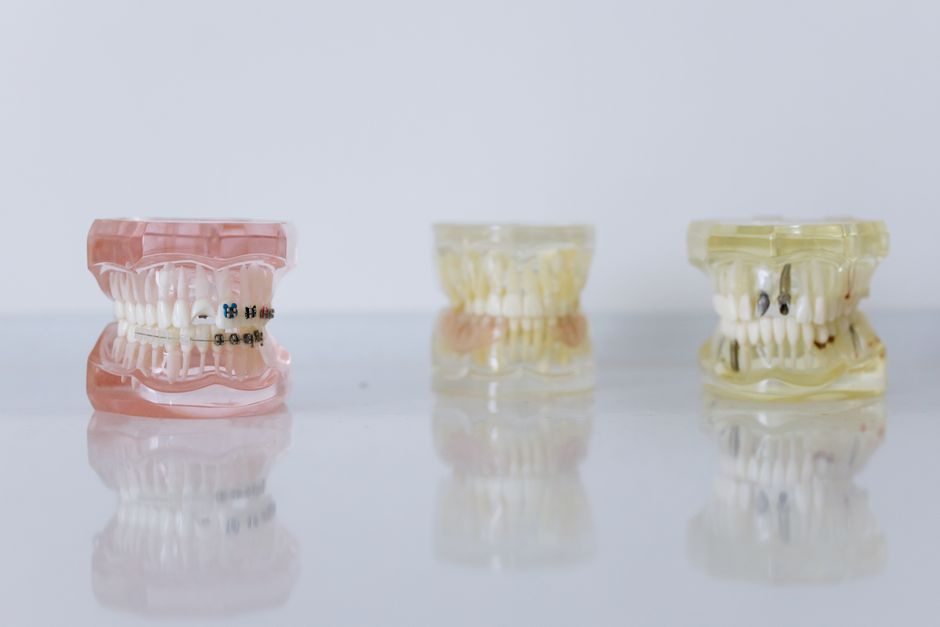
A palate expander is turned with a small key that fits into a hole in the center of the appliance. The key pushes the two halves of the expander apart by a fraction of a millimeter. That is the entire mechanical action. The skill is in doing it consistently, safely, and without skipping days.
Most orthodontists give patients a specific schedule, usually one or two turns per day. The appliance is typically activated for a set number of weeks or months, then left in place to hold the new width while bone and tissue adapt. The turning itself takes seconds. The discipline takes months.
What Is a Palate Expander and How Does It Work?
A palate expander is an orthodontic appliance that widens the upper jaw, called the maxilla. It sits against the roof of the mouth and attaches to the upper back teeth with bands or acrylic. A screw mechanism in the center connects the left and right halves.
When you insert the key and push, the screw rotates and forces the two halves apart. This applies tension across the midpalatal suture — the seam of cartilage and bone that runs down the center of the roof of the mouth. In children and younger teens, that suture has not fully fused. It can separate gradually, and new bone fills in behind the separation.
This is why age matters so much. In younger patients, the suture is more responsive. In older teens and adults, the suture may be partially or fully fused, and expansion becomes more difficult or requires surgical assistance. Some orthodontists use surgically assisted rapid palatal expansion (SARPE) for adults, but that is a different procedure with different risks.
The expansion does not happen overnight. Each turn moves the halves apart by roughly a quarter of a millimeter or less. Over weeks, that adds up to several millimeters of width. The bone then remodels over months.
How To Turn a Palate Expander Step By Step
Your orthodontist will demonstrate the turning process before you ever do it at home. If you are unsure after that demonstration, call the office. Do not guess.
Here is the general sequence most orthodontists teach:
- Wash your hands thoroughly with soap and water.
- Have the key ready. Most expanders come with a specialized key that fits the screw hole.
- Look in a mirror. Good lighting helps.
- Insert the key into the hole at the front of the screw mechanism.
- Push the key toward the back of the mouth. It will move about one-quarter turn and then stop.
- Remove the key. The hole will now be in a new position, ready for the next turn.
The key should move smoothly and then hit a natural stopping point. If it does not stop, or if it keeps spinning freely, something may be wrong. Stop and call your orthodontist.
Some expanders have a different key orientation or a different direction of turn. Follow the specific instructions for your appliance, not general advice from the internet.
How Often Should You Turn the Expander?
Your orthodontist sets the schedule. Common protocols call for one or two turns per day, but the exact number depends on the patient’s age, the amount of expansion needed, and the specific appliance.
Do not turn more often than instructed to speed things up. Faster expansion does not mean better results. It can cause more pain, more tissue damage, and potential complications.
Do not skip turns either. Skipping days can allow the suture to begin re-fusing, which may make the process less effective. If you miss a turn, call your orthodontist for guidance rather than doubling up the next day.
Consistency matters more than speed. The goal is steady, controlled movement that the bone and tissue can adapt to.





What Does Turning a Palate Expander Feel Like?
Most patients feel pressure, not sharp pain, during the turn itself. The pressure usually fades within a few minutes. Some people feel nothing at all during the turn.
After turning, many patients experience:
- A dull ache in the upper jaw or behind the nose
- Pressure in the bridge of the nose or under the eyes
- Headache
- Sensitivity in the back teeth
- A feeling of tightness across the roof of the mouth
These sensations are normal and typically peak in the first few days of activation, then lessen as the body adapts. Over-the-counter pain relievers may help. Ask your orthodontist which one is appropriate, since some medications can affect tooth movement or bone remodeling.
If pain is severe, lasts more than a few days after a turn, or is accompanied by swelling, fever, or a loose appliance, contact your orthodontist.
What Problems Can Happen During Turning?
Most expansions go smoothly. Problems that do occur are usually manageable when caught early.
The key can slip and be swallowed or aspirated. This is uncommon but possible. If it happens, seek medical attention. Do not try to retrieve a swallowed key yourself.
The appliance can loosen or break. A loose band or a detached acrylic section means the expansion is no longer controlled. Stop turning and call your orthodontist.
The screw can jam or fail to advance. Forcing it can damage the appliance. If the key will not turn with normal pressure, stop and call the office.
In rare cases, expansion can cause excessive tipping of the back teeth rather than true skeletal widening. This is one reason follow-up visits matter. Your orthodontist monitors whether the expansion is happening at the bone level or just tilting teeth outward.
What Happens After the Turning Phase Ends?
Once the target width is reached, turning stops. The expander stays in place for a retention period. During this time, the newly separated suture fills in with bone and stabilizes.
This retention phase is not optional. Removing the appliance too soon can allow the expansion to partially relapse. The length of retention varies by patient and is set by the orthodontist.
After the expander is removed, most patients need braces or aligners to align the teeth that were spread apart during expansion. Expansion creates space. It does not straighten teeth on its own.
Tips for Making the Process Easier
Turn at the same time every day. A routine reduces the chance of forgetting. Many families do it right after brushing teeth at night.
Keep a calendar or log. Mark each turn. Bring it to appointments. This helps your orthodontist track progress and catch any missed turns.
Expect a learning curve. The first few turns are awkward. Most people get comfortable within a week.
Stay on top of oral hygiene. Food gets trapped around the expander. Brush carefully around the appliance and use a water flosser if your orthodontist recommends one.
Keep soft foods on hand for the first few days after starting activation. The pressure can make chewing uncomfortable temporarily.
Call your orthodontist with questions. There is no penalty for asking. There is a real cost to guessing wrong.
Does Expansion Always Work?
Success depends heavily on age and suture status. In young children, expansion is generally predictable. In older teens, results vary more. In adults, non-surgical expansion is often limited, and surgical options may be needed.
Some patients expand well skeletally. Others get mostly dental tipping, where the teeth lean outward without much true jaw widening. The difference matters for long-term stability and for how much nasal airway space is gained.
Research on whether expansion improves breathing or sleep is mixed. Some studies suggest nasal airflow improves after expansion in children with narrow maxillas. Other studies show inconsistent results. Expansion is not a proven treatment for sleep apnea or chronic nasal congestion. Anyone who tells you otherwise is going beyond what the evidence supports.
When to Call Your Orthodontist
Call if the key will not turn, if the appliance feels loose, if you swallow the key, if pain is severe or worsening, or if you miss more than a day or two of turns.
Call if you see swelling, bleeding, or a change in how the appliance fits. Call if you are simply unsure. The office would rather answer a question than fix a problem that could have been prevented.
Frequently Asked Questions
How hard should I push when turning a palate expander?
Push firmly but gently until the key stops. It should move about one-quarter turn and then hit a natural stopping point. If it will not turn with normal pressure, stop and call your orthodontist.
What happens if I forget to turn my palate expander?
Call your orthodontist for guidance rather than doubling up the next day. Skipping turns can allow the suture to begin re-fusing, which may reduce how well the expansion works.
Can I turn my palate expander myself without an orthodontist?
No. A palate expander is a prescribed appliance with a specific schedule set by your orthodontist. Turning without professional supervision and follow-up can cause harm.
How long does a palate expander stay in?
Most patients wear it for several months, including an active turning phase and a retention phase. The exact timeline depends on the amount of expansion needed and how the bone responds.
