
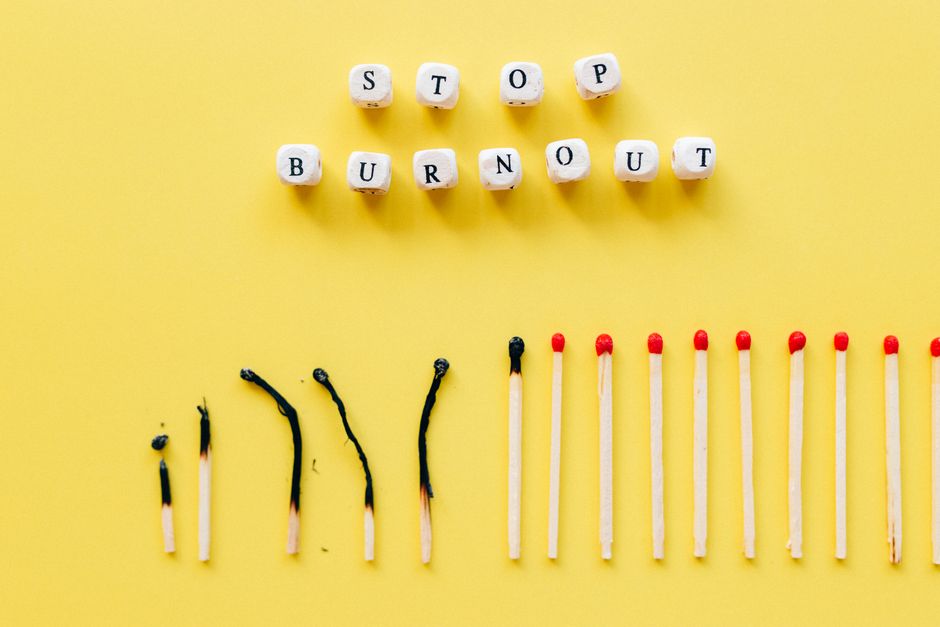
A sunburn is damaged skin, not the first stage of a tan. You cannot turn a burn into a tan because the processes are opposite. A tan is a defense mechanism that produces pigment, while a burn is an injury that triggers inflammation and cell death. The only way to get a tan from a burn is to wait for the burn to heal completely, allow the damaged skin layers to shed, and then expose the new skin to UV light gradually. Attempting to tan over a burn will only deepen the injury and increase your risk of long-term skin damage.
What Actually Happens to Your Skin When You Burn?
Sunburn is radiation damage. Ultraviolet B (UVB) rays penetrate the epidermis and damage the DNA inside skin cells. Your body responds by increasing blood flow to the area, which causes the redness and warmth you feel. This is inflammation, not pigmentation.
At the same time, your skin cells begin producing more melanin in an attempt to protect the deeper layers. This is why a burn often turns into a tan later. The pigment develops as part of the healing response, not because the burn itself darkened your skin. The tan you see after peeling is new skin with increased melanin, not the burned skin itself.
Severe burns cause cell death. When enough cells die, the skin blisters and eventually peels. This peeling is your body removing damaged tissue. Tanning over this process interrupts healing and increases the risk of infection and scarring.
Can You Tan Over a Sunburn?
No. Tanning over a sunburn is unsafe and ineffective. The burned skin is already injured. Adding more UV exposure forces damaged cells to absorb additional radiation, which can lead to more severe burns, blistering, and a higher risk of skin cancer.
There is no clinical evidence that tanning over a burn produces a better or longer-lasting tan. In fact, the opposite is true. The damaged skin will peel unevenly, leaving patches of new, pale skin mixed with areas of darker pigment. This creates a mottled appearance rather than an even tan.
Some people believe a burn “primes” the skin for a better tan. This is not supported by dermatology. The melanin produced during burn recovery is a stress response, not a controlled tan. It fades unevenly and does not provide the same protection as a gradual tan built over weeks.
How Long Should You Wait Before Tanning Again?
Wait until all peeling has stopped and the skin feels normal to the touch. This typically takes one to two weeks for a mild burn. For a severe burn with blistering, recovery can take several weeks or longer.
New skin is fragile. It lacks the protective barrier that mature skin has. Exposing it to UV light too soon causes further damage and can lead to hyperpigmentation, which is dark patches that persist for months.
A simple test: if the burned area still feels tender, warm, or visibly pink, it is not healed. Wait until the skin returns to its normal texture and color. When you do return to the sun, start with short exposure sessions of 15 to 20 minutes and use sunscreen on the previously burned areas.




Why a Burn Does Not Give You a Better Tan
The idea that a burn turns into a better tan is a myth. Burns and tans are different biological responses. A tan develops when melanocytes produce pigment in response to gradual UV exposure. A burn happens when UV exposure overwhelms the skin’s repair capacity.
When you burn, the damaged cells are programmed to die and shed. Any color you see during the healing phase is inflammation and blood flow, not permanent pigment. Once the skin peels, the new cells underneath are pale and vulnerable.
Research consistently shows that a gradual tan built over several weeks lasts longer and looks more even than a tan that follows a burn. The skin has time to produce melanin in a controlled way, and the protective barrier remains intact.
How to Build a Safe Tan Without Burning
Start with short sun exposure and increase it gradually. For most skin types, 10 to 20 minutes of direct sun a few times per week is enough to stimulate melanin production. After that, use sunscreen with an SPF of at least 30 and reapply every two hours.
Tanning beds are not a safe alternative. They emit UVA and UVB radiation, and research links indoor tanning to an increased risk of melanoma, the most serious form of skin cancer. No dermatology organization recommends tanning beds for cosmetic tanning.
Self-tanners are the only method that provides color without UV damage. They contain dihydroxyacetone (DHA), which reacts with amino acids in the outer skin layer to produce a temporary bronze color. This is not a tan in the biological sense, but it is the only safe way to achieve the appearance of one.
How to Care for a Burn While It Heals
Keep the burned area moisturized. Aloe vera gel and fragrance-free lotions help soothe the skin and reduce peeling. Drink extra water because sunburn draws fluid to the skin surface and can cause dehydration.
Do not pick at peeling skin. The peeling layer is protecting the new skin underneath. Removing it early exposes immature cells to UV light and increases the risk of scarring.
Take cool showers or baths to relieve pain. Over-the-counter pain relievers like ibuprofen can reduce inflammation. If you develop blisters over a large area, have chills, or feel faint, seek medical attention. These can be signs of a severe burn that requires professional care.
When to See a Doctor About a Sunburn
Most sunburns heal on their own without medical treatment. But some burns require attention. See a doctor if you have blisters covering a large portion of your body, if you have signs of infection such as pus or increasing pain, or if you experience fever, chills, or confusion.
Severe sunburn can cause sun poisoning, which is a form of systemic illness. Symptoms include nausea, dizziness, rapid pulse, and extreme thirst. This requires medical evaluation.
You should also see a dermatologist if you notice new moles, changing moles, or unusual skin growths in areas that have been sunburned in the past. Repeated sunburns, especially in childhood, are a well-established risk factor for skin cancer.
Does the Type of Sun Exposure Matter?
Yes. The time of day, your skin type, and your location all affect how quickly you burn. UV rays are strongest between 10 a.m. and 4 p.m. They are also stronger at higher altitudes and closer to the equator.
People with fair skin, light eyes, and red or blonde hair burn more easily. The Fitzpatrick scale classifies skin types from I to VI based on how they respond to sun. Type I always burns and never tans. Type VI rarely burns and tans deeply. Knowing your type helps you estimate safe exposure times.
Water, sand, and snow reflect UV rays and increase exposure. You can burn on overcast days because up to 80 percent of UV rays pass through clouds. This is why sun protection is necessary even when the sun is not visible.
Frequently Asked Questions
How long does a sunburn take to turn into a tan?
It takes one to two weeks for a mild burn to heal and the new skin to show its final color. The darkening you see during the first few days is inflammation, not permanent pigment.
Will burning once give me a better tan?
No. Burns damage skin cells and cause uneven peeling, which leads to a patchy appearance. A gradual tan built over time looks better and lasts longer.
Can I use a tanning bed to fix a burn?
No. Tanning beds expose damaged skin to more UV radiation and increase your risk of severe burns and skin cancer. Wait until the burn is fully healed.
Is it safe to use self-tanner on a sunburn?
Self-tanner is safe on intact, unbroken skin but can irritate burned or peeling areas. Wait until the burn has healed before applying it.
