
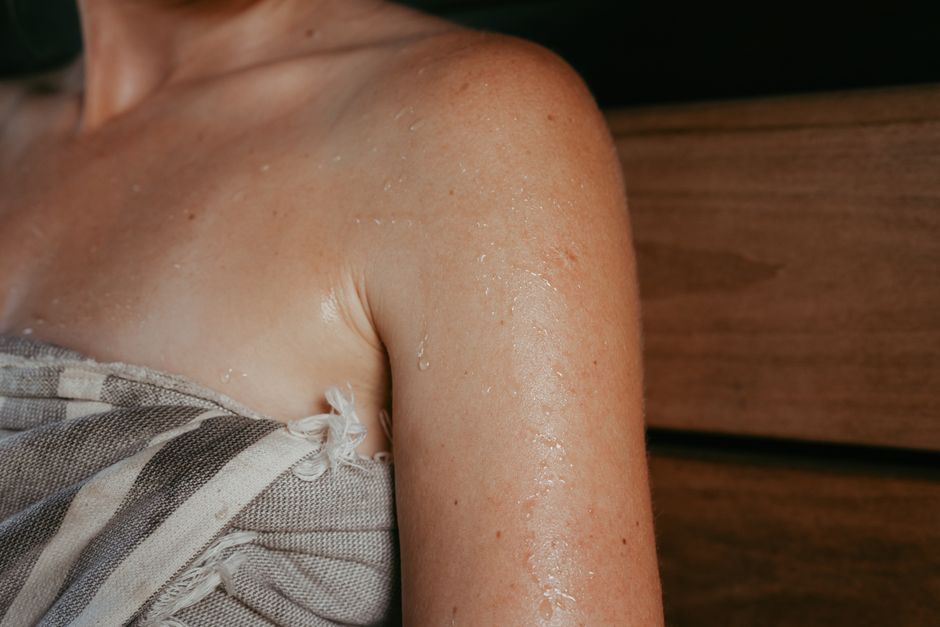
Sweat rash under the breasts is a skin irritation caused by trapped moisture, friction, and warmth in the skin fold beneath the breast. You can usually treat it at home by keeping the area clean and completely dry, wearing a well-fitting breathable bra, and using a gentle barrier cream or ointment to protect the skin. Most mild cases improve within a few days of consistent care.
The medical term for this is intertrigo — inflammation of skin folds where two surfaces rub together. It is common, it is not a sign of poor hygiene, and it is not something to feel embarrassed about. Understanding why it happens makes it much easier to treat and prevent.
What Causes Sweat Rash Under the Breasts?
Intertrigo develops when skin stays moist and warm in a skin fold. That combination softens the outer layer of skin, makes it more vulnerable to friction, and creates conditions where yeast and bacteria can overgrow.
Several factors increase the likelihood:
- Heat and sweating. Sweat becomes trapped in the fold and has nowhere to evaporate.
- Friction. Skin rubbing against skin, or against a bra edge, breaks down the protective surface.
- Ill-fitting bras. An underwire that digs in, or a bra that does not separate the breasts, worsens both moisture and rubbing.
- Larger breasts. More skin contact and deeper folds mean more trapped moisture.
- Diabetes. Elevated blood sugar increases the risk of skin infections, including fungal ones. This is well established in clinical practice.
- Weakened immune function. This can make overgrowth more likely and slower to clear.
- Certain medications. Some drugs cause sweating or suppress immune response.
One thing worth knowing: the rash itself is not contagious. But the yeast that commonly moves in — usually Candida albicans, the same organism behind most vaginal yeast infections — can overgrow once the skin is damaged. That is why a rash that starts as simple irritation can become itchy, redder, and more stubborn over time.
What Does Sweat Rash Under Breasts Look Like?
Intertrigo typically appears as a red, inflamed patch in the crease beneath the breast. The redness tends to be fairly symmetrical and follows the shape of the skin fold.
Common signs include:
- Redness, sometimes with a raw or shiny appearance
- Itching or burning
- Chafing or tenderness when the skin rubs
- Mild swelling
- Small satellite spots or bumps at the edges of the rash
Those small spots around the border are a fairly reliable clue that yeast is involved, not just friction. A musty or yeasty odor can also point that way.
If the rash is weeping, crusted, or has a sharp border with scaling, that raises the possibility of a fungal infection rather than simple irritation. If it is painful, hot, spreading quickly, or you develop a fever, that suggests a bacterial infection and needs medical attention rather than home treatment.
How To Treat Sweat Rash Under Breasts At Home
The core principle is simple: remove moisture, reduce friction, and protect the skin while it heals. Everything else supports those three goals.
Keep the area clean and dry
Wash gently with lukewarm water and a mild, fragrance-free cleanser. Rinse well and pat dry — do not rub. Then make sure the fold is completely dry before putting a bra on. A soft cloth or a hair dryer on the cool setting can help. Trapped dampness under a bra is the single biggest obstacle to healing.
Choose the right bra
Wear a bra that fits well and separates the breasts so skin is not resting against skin. Soft, breathable fabrics — cotton or moisture-wicking synthetics — help sweat escape. Underwire that presses into the fold can keep the irritation going. Some people find a soft cotton bralette or a bra with a cotton liner helpful during healing. Change out of a sweaty bra promptly after exercise or a hot day.
Use a barrier cream or ointment
A thin layer of a protective ointment — petroleum jelly, zinc oxide cream, or a simple barrier product — reduces friction and keeps moisture off the skin. Apply it to dry skin. These products protect; they do not treat infection. If yeast is involved, a barrier alone will not clear it.
Consider an over-the-counter antifungal if yeast is likely
If the rash is itchy with satellite spots, an over-the-counter antifungal cream containing clotrimazole or miconazole is a reasonable step. These are available without a prescription. Follow the package directions. If there is no improvement after a week or so, or the rash worsens, see a clinician — some cases need a prescription-strength antifungal or a different approach.
Resist the urge to over-treat
Powders can help absorb moisture, but they can also cake and trap moisture if used heavily. Avoid harsh soaps, alcohol-based products, and scrubbing. These damage the skin barrier and make things worse. Do not apply strong steroid creams to a skin fold without medical advice — thinning skin in that area can cause problems.
What If Home Treatment Is Not Working?
Most mild cases of intertrigo improve within a few days of consistent moisture control. If the rash persists beyond a week or two despite good home care, it is worth seeing a clinician.
Reasons to seek medical care:
- The rash is not improving after a week of home treatment
- It is spreading, deepening, or becoming painful
- There is weeping, crusting, or a foul odor
- You have diabetes or a weakened immune system
- You develop fever or the area feels hot
A clinician can confirm whether yeast or bacteria are involved and prescribe targeted treatment. Bacterial intertrigo, for example, needs antibiotics, and antifungals will not help it. This distinction matters — treating the wrong cause is a common reason a rash drags on.
How Can You Prevent Sweat Rash From Coming Back?
Prevention comes down to the same fundamentals: keep the fold dry, reduce friction, and manage sweat.
- Dry the area thoroughly after showering, swimming, and exercise
- Wear breathable, well-fitting bras and change them after sweating
- Choose moisture-wicking fabrics in hot weather
- Use a light barrier product in the fold during humid months or exercise
- Maintain healthy blood sugar if you have diabetes
- Avoid tight clothing that traps heat against the skin
For people who sweat heavily, a clinician may discuss additional options. But for most people, consistent drying and the right bra do most of the work.
Frequently Asked Questions
How long does sweat rash under the breast take to heal?
Most mild cases improve within a few days of keeping the area clean, dry, and protected. If the rash is caused by yeast, it may take longer and often needs an antifungal cream to clear fully.
Can I use baby powder for sweat rash under my breasts?
Powder can help absorb moisture, but heavy use can cake and trap dampness, which makes irritation worse. A thin layer of barrier ointment is often a better choice in a skin fold.
When should I see a doctor for a rash under my breast?
See a clinician if the rash does not improve after about a week of home care, is spreading or painful, or shows signs of infection such as weeping, crusting, or fever. People with diabetes should seek care sooner.
Is sweat rash under the breast the same as a yeast infection?
Not always. It often starts as simple moisture and friction irritation, but yeast can overgrow in the damaged skin and turn it into a fungal infection. Small spots around the edges of the rash suggest yeast is involved.
