
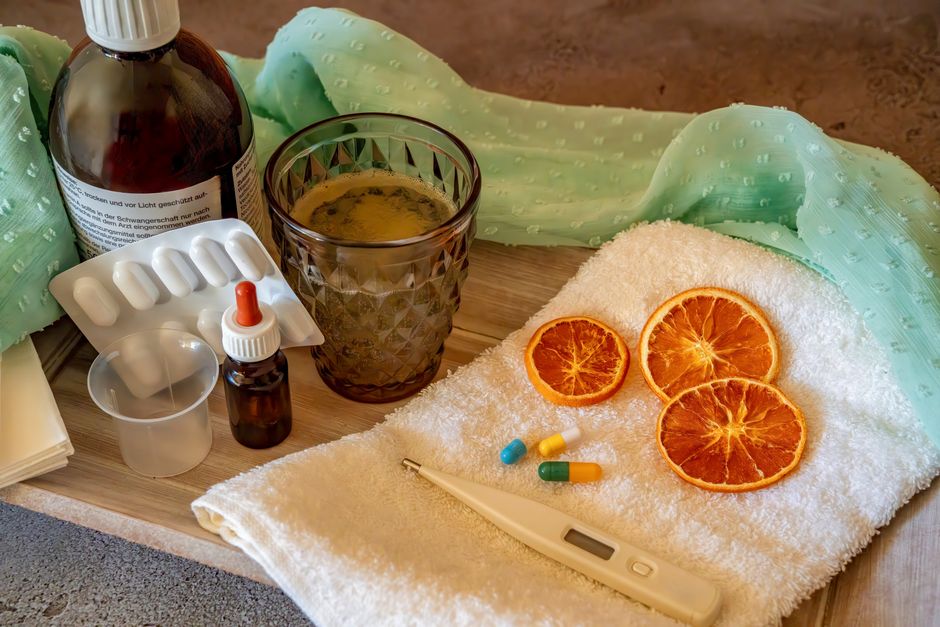
Strep throat is a bacterial infection caused by group A Streptococcus, and it needs antibiotics. That is the single most important fact in this article. Home remedies can ease the pain and help you feel more comfortable while the infection clears, but none of them cure strep throat. The evidence on that point is strong and consistent. So the honest answer to “how to treat strep throat naturally at home” is this: use home care for symptom relief, and use antibiotics to treat the infection itself.
Does Strep Throat Really Need Antibiotics?
Yes. Strep throat is one of the few sore throats that genuinely requires medical treatment. Most sore throats are viral and get better on their own. Strep is different because it is bacterial, and the body does not reliably clear it without help.
The main reason antibiotics matter is not speed. It is protection against complications. Untreated group A strep can lead to rheumatic fever, an inflammatory condition that can damage heart valves. This is rare in the United States today, largely because strep is treated promptly. Antibiotics also lower the risk of spreading the infection to others and help prevent a painful complication called a peritonsillar abscess.
Penicillin or amoxicillin are the standard first-line antibiotics for strep throat. A full course usually runs about 10 days for oral penicillin, though some regimens are shorter. The exact choice and duration are decisions for a clinician. What matters for the reader is this: finish the whole course even after you feel better, because stopping early raises the risk of the infection returning.
One clarification worth making. A rapid strep test or throat culture is what separates strep from a viral sore throat. Symptoms alone cannot reliably tell them apart, which is why testing matters. A “natural” approach that skips testing and treatment is not a safer approach — it is a riskier one.
What Home Remedies Actually Help With Strep Throat Pain?
Several simple measures have a reasonable basis for easing throat pain, even though none of them treat the infection. These are comfort tools, not cures.
Warm salt water gargles are a classic for a reason. Gargling with dissolved salt in warm water can temporarily reduce throat swelling and soothe irritation. It will not kill strep bacteria in any meaningful way, but it can make swallowing less painful. A common approach is roughly half a teaspoon of salt in a glass of warm water, gargled and spat out a few times a day.
Staying hydrated matters more than people realize. A sore throat makes drinking uncomfortable, and dehydration makes everything feel worse. Water, broth, and warm tea with honey are all reasonable. Honey has some evidence for soothing cough and throat irritation in adults and children over age 1. Never give honey to a child under 1 year old because of the risk of infant botulism.
Cold and warm compresses applied to the outside of the neck can ease discomfort. Some people prefer cold, some prefer warm. Either is fine.
Rest and sleep support your body while it recovers. This is not a treatment for the bacteria, but it helps you feel better and supports normal immune function.
- Salt water gargles several times a day
- Warm fluids and honey (age 1 and older)
- Cold or warm compresses on the neck
- Rest and adequate sleep
- Over-the-counter pain relievers as directed on the label
Over-the-counter pain relievers like ibuprofen or acetaminophen are not “natural,” but they are among the most effective ways to reduce strep throat pain and fever. They are worth mentioning honestly rather than leaving them out to fit a theme.
Do Natural Remedies Kill Strep Bacteria?
No home remedy has been shown to reliably kill group A Streptococcus in the human throat. This is where a lot of online advice goes wrong. Claims about apple cider vinegar, garlic, oregano oil, or colloidal silver “killing strep” are not supported by clinical evidence in people.
Some of these substances show antibacterial activity in a laboratory dish. That is a very different thing from working inside a human body. A lab result does not account for how much of a substance reaches the throat, how long it stays there, or whether it survives stomach acid. Biological plausibility is not the same as proven benefit.
This distinction matters because relying on unproven remedies instead of antibiotics is where real harm can happen. The complications of untreated strep are uncommon but serious, and they are largely preventable with proper treatment.
If you want to use a remedy alongside antibiotics for comfort, that is a reasonable personal choice. Using it instead of antibiotics is not.
What Foods and Drinks Should You Avoid With Strep Throat?
When your throat is raw and swollen, certain foods make pain worse. There is no special “strep diet” that fights the infection, but avoiding irritants helps you stay comfortable and hydrated.
Skip or limit:
- Acidic foods and drinks like citrus, tomatoes, and vinegar-heavy items
- Spicy foods
- Crunchy or sharp foods like chips and crackers
- Very hot drinks that can further irritate tissue
- Alcohol, which can dehydrate you
Softer, mild foods tend to go down easier. Yogurt, mashed potatoes, scrambled eggs, soup, and smoothies are common choices. Cold foods like popsicles or ice cream can numb the throat and are often soothing, especially for children. There is no rule that you must avoid dairy — that idea is a myth without good evidence behind it.
How Long Does Strep Throat Last and When Are You Contagious?
With appropriate antibiotic treatment, most people start feeling better within a day or two, and fever usually resolves in that window. Without antibiotics, symptoms can drag on for a week or more and carry a higher risk of complications.
You are generally considered contagious until you have been on antibiotics for at least 12 hours, and possibly longer. The safest guidance is to stay home from work or school until you have been on antibiotics for at least 24 hours and your fever is gone. A clinician can give you specific advice for your situation.
Strep spreads through respiratory droplets and shared items. Covering coughs, washing hands, and not sharing cups or utensils all help reduce transmission. Replacing your toothbrush during or right after treatment is sometimes recommended by clinicians, though the evidence that it prevents reinfection is limited.
When Should You See a Doctor Instead of Treating at Home?
See a doctor promptly if you have symptoms that point to strep rather than a cold. Those include a sudden severe sore throat, pain with swallowing, fever, swollen and tender neck glands, and white patches on the tonsils — often without cough or runny nose, which are more typical of viral infections.
Seek urgent care if you have trouble swallowing your own saliva, difficulty breathing, drooling, a muffled “hot potato” voice, or swelling on one side of the throat that is getting worse. These can signal a more serious problem such as an abscess and need medical attention right away.
Also get checked if symptoms last more than a few days without improving, if fever is high or persistent, or if you have a rash. Children, pregnant women, and people with weakened immune systems should be evaluated early rather than relying on home care.
Frequently Asked Questions
Can strep throat go away on its own without antibiotics?
It can sometimes clear without treatment, but relying on that is risky because of complications like rheumatic fever. Antibiotics are the standard of care for confirmed strep throat.
What is the fastest way to soothe strep throat pain at home?
Salt water gargles, warm fluids, honey for those over age 1, and over-the-counter pain relievers are among the most reliable comfort measures. None of them treat the infection itself.
Does apple cider vinegar kill strep throat?
No clinical evidence shows that apple cider vinegar or similar home remedies kill group A strep in the human throat. Lab findings do not translate to proven benefit in people.
How long should I stay home with strep throat?
Most guidance is to stay home until you have been on antibiotics for at least 24 hours and your fever has resolved. Follow your clinician’s specific instructions.
