
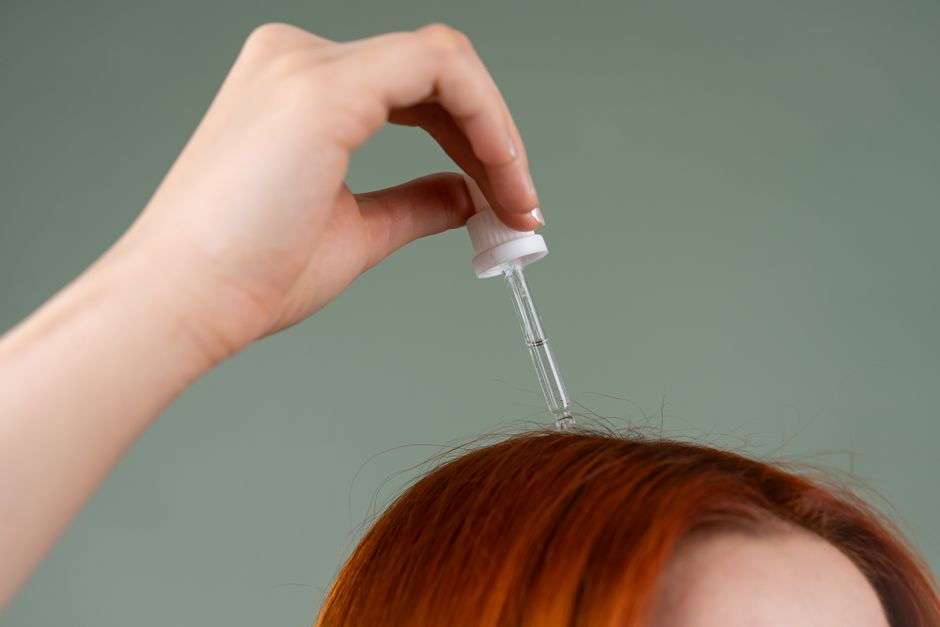
Scalp pimples are small, tender bumps on the scalp that form when hair follicles get inflamed or blocked. The mainstays of treatment are medicated shampoos containing ingredients like ketoconazole, zinc pyrithione, or salicylic acid, plus spot treatments such as benzoyl peroxide or topical antibiotics for individual inflamed bumps. Most cases respond to consistent washing with the right shampoo, though some causes — like folliculitis that needs prescription treatment — require a doctor’s care.
What Causes Pimples on the Scalp?
A scalp pimple is almost always a problem with a hair follicle, not the skin surface itself. Each hair on your head grows out of a follicle, a tiny pocket in the skin. When that follicle gets blocked, irritated, or infected, you get a bump that looks and feels like a pimple.
The most common trigger is folliculitis — inflammation of the hair follicles. It can be caused by bacteria (often Staphylococcus aureus), by a yeast called Malassezia that naturally lives on the scalp, or by irritation from friction, sweat, or hair products.
A few other conditions can produce similar bumps:
- Seborrheic dermatitis — a flaky, itchy, inflamed scalp condition linked to Malassezia yeast
- Acne mechanica — breakouts caused by friction from hats, helmets, or headbands
- Product buildup — heavy oils, pomades, or gels that clog follicles
- Scalp psoriasis — though this usually looks more like thick, silvery scales than pimples
Because several conditions look similar, a doctor’s diagnosis matters if bumps don’t clear up with basic care. What looks like acne could be folliculitis that needs a different treatment entirely.
How To Treat Scalp Pimples: Shampoos And Spot Treatments
The right shampoo does most of the work. Medicated shampoos treat the whole scalp, which matters because scalp pimples rarely appear alone — the underlying follicle problem affects a wide area.
Here are the main shampoo ingredients and what they do:
- Ketoconazole — an antifungal that targets Malassezia yeast. Available over the counter at 1% strength and by prescription at 2%.
- Zinc pyrithione — an antimicrobial that reduces yeast and bacteria on the scalp.
- Salicylic acid — helps break down dead skin cells and oil that clog follicles.
- Selenium sulfide — slows yeast growth and reduces scalp irritation.
- Coal tar — reduces inflammation and slows skin cell turnover, mainly used for seborrheic dermatitis and psoriasis.
For spot treatments on individual bumps, options include:
- Benzoyl peroxide — kills bacteria and reduces inflammation. It can bleach fabric, so be careful with pillowcases and clothing.
- Topical antibiotics — such as clindamycin, available by prescription for bacterial folliculitis.
- Tea tree oil — some studies suggest it has antibacterial and antifungal activity, though evidence for treating scalp folliculitis specifically is limited.
A key point many people miss: medicated shampoos need contact time to work. Lather, then leave the shampoo on your scalp for several minutes before rinsing. Rinsing immediately washes away most of the active ingredient before it can do its job.
How Should You Use Medicated Shampoos?
Consistency matters more than strength. Most medicated shampoos work best when used two to three times a week, though this varies by product and condition. Follow the label directions or your doctor’s advice.
A practical routine looks like this:
- Wet your hair and scalp thoroughly.
- Apply the medicated shampoo and massage it into the scalp — not just the hair.
- Leave it on for the time recommended on the label (often 3 to 5 minutes).
- Rinse well.
- Follow with a regular conditioner on the ends of your hair if needed, avoiding the scalp.
If one ingredient stops working after a few weeks, rotating to a different one can help. This is common with antifungal shampoos, since yeast can adapt to a single ingredient over time. Some clinicians recommend alternating between two different active ingredients.
Don’t scrub aggressively. Firm massage is fine, but scratching or picking at bumps can spread bacteria and make folliculitis worse.



When Should You See a Doctor for Scalp Pimples?
See a doctor if bumps don’t improve after a few weeks of consistent medicated shampoo use, if they’re spreading, or if you develop signs of infection like pus, crusting, or increasing pain.
Certain situations need medical attention rather than drugstore products:
- Large, deep, painful bumps (boils or carbuncles)
- Bumps that keep coming back after treatment
- Hair loss or scarring around the bumps
- Signs of a widespread infection, like fever
- Bumps that don’t respond to any over-the-counter approach
A doctor can swab the area to identify whether bacteria or fungus is driving the problem, which determines the right treatment. Prescription options include oral antibiotics for stubborn bacterial folliculitis, stronger topical antifungals, or oral antifungals for yeast-related cases.
One caution: don’t assume a bump is harmless. In rare cases, a persistent scalp bump that bleeds, grows, or changes could be something more serious. Any lesion that doesn’t heal deserves a professional look.
How Can You Prevent Scalp Pimples From Coming Back?
Prevention comes down to keeping follicles clear and reducing irritation. Small changes add up.
- Wash your hair regularly, especially after sweating. Sweat and oil feed the bacteria and yeast that clog follicles.
- Shower after workouts rather than letting sweat sit on your scalp.
- Avoid heavy oils, pomades, and greasy styling products that block follicles.
- Wash hats, helmets, and pillowcases often — they collect oil and bacteria.
- Don’t share combs, brushes, or hats, since some infections spread this way.
- Choose gentle, non-comedogenic hair products when possible.
- Avoid picking or scratching at bumps.
If you’re prone to folliculitis, keeping a medicated shampoo in your regular rotation — even after bumps clear — can help prevent flare-ups. Some people use it once a week for maintenance.
Diet and stress may play a role in some skin conditions, but the evidence linking them specifically to scalp folliculitis is not strong. Focus first on the basics: clean scalp, clear follicles, less friction.
What Doesn’t Work for Scalp Pimples
A lot of popular advice for scalp pimples isn’t supported by evidence. Knowing what to skip saves time and money.
- Toothpaste — a common home remedy, but it can irritate and burn the scalp. No evidence supports it.
- Apple cider vinegar rinses — often promoted online, but no clinical trials confirm they treat folliculitis.
- Harsh scrubs — physical exfoliants can worsen inflammation and spread bacteria.
- Popping or squeezing — this pushes infection deeper and can cause scarring or spread.
- Regular shampoo alone — if the cause is yeast or bacteria, a plain shampoo won’t address it.
Some people find that switching to a gentler shampoo reduces irritation, and that’s reasonable. But if the bumps are caused by an infection, only an antimicrobial ingredient will resolve them.
How Long Does It Take for Scalp Pimples to Clear?
Most mild cases improve within a few weeks of consistent treatment. Bacterial folliculitis treated with the right antibiotic often clears faster than yeast-related cases, which can take longer because the yeast is harder to fully eliminate.
If you’ve been using a medicated shampoo correctly for several weeks with no improvement, that’s a signal the diagnosis may be wrong or the treatment isn’t matched to the cause. At that point, see a doctor rather than switching products endlessly.
Scarring and hair loss are possible with severe or long-standing folliculitis, which is one more reason not to ignore bumps that persist. Early treatment generally leads to better outcomes.
Frequently Asked Questions
What shampoo is best for scalp pimples?
Shampoos with ketoconazole, zinc pyrithione, or salicylic acid are the most commonly recommended for scalp folliculitis. The best choice depends on whether the cause is yeast, bacteria, or blocked follicles, so a doctor’s diagnosis helps.
Can I use regular acne products on my scalp?
Some acne ingredients, like benzoyl peroxide and salicylic acid, can help with scalp bumps. However, products designed for the face may be too drying or irritating for the scalp, so medicated shampoos are usually a better fit.
Are scalp pimples a sign of something serious?
Most scalp pimples are caused by folliculitis and are not dangerous. See a doctor if bumps are painful, spreading, causing hair loss, or not healing, since these can signal a more serious infection.
How often should I wash my hair if I have scalp pimples?
Washing more often — especially after sweating — can help clear follicles and reduce oil buildup. Most people with scalp folliculitis do well washing every day or every other day with a medicated shampoo as directed.
