
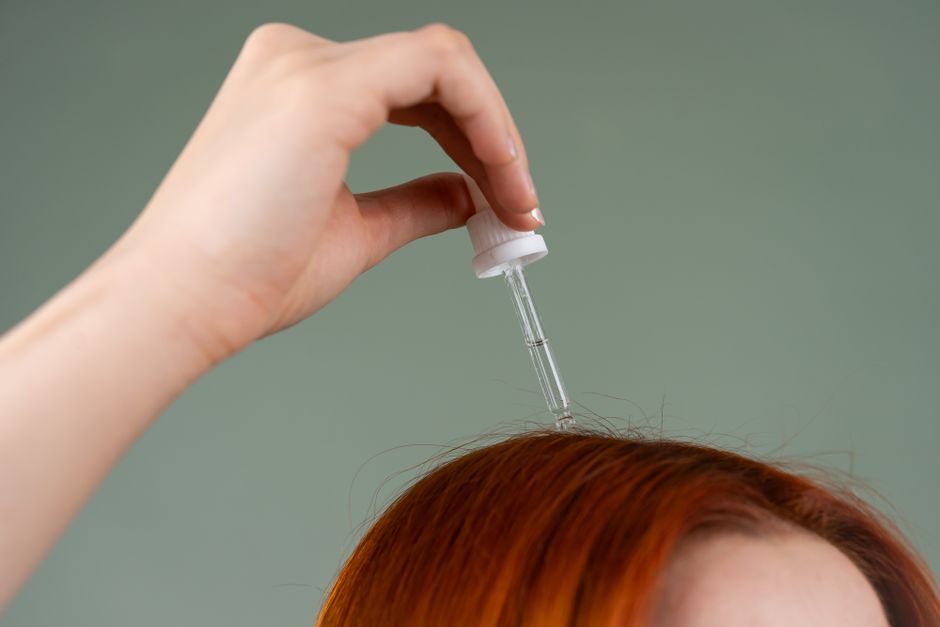
Scalp folliculitis is inflammation of the hair follicles on your scalp. Most cases are mild and improve with simple home care — gentle washing, stopping irritating hair products, and avoiding scratching. If bumps are spreading, painful, or filled with pus, see a doctor, because bacterial folliculitis often needs prescription treatment and some cases have other causes that home care will not fix.
What Is Scalp Folliculitis?
A hair follicle is a small pocket in the skin that holds the hair root. Folliculitis means that pocket has become inflamed. On the scalp, this shows up as small red bumps or pimples around hair roots, often with mild tenderness or itching.
The bumps can look like acne. That similarity matters, because people often treat scalp folliculitis with acne products that dry and irritate the scalp without addressing the actual cause. Scalp folliculitis is not acne, even when it looks like it.
Folliculitis is common and usually not serious. Most cases are mild. The skin can heal on its own once the trigger is removed. But some cases persist for weeks or keep coming back, and those deserve a medical look rather than repeated trial and error.
What Causes Scalp Folliculitis?
Several different problems can inflame scalp follicles, and the treatment depends on which one is driving it. This is why guessing at treatment often fails.
Bacterial infection is a common cause. Bacteria — often Staphylococcus aureus — get into a follicle through a small break in the skin, such as from scratching or shaving. The result is tender red bumps, sometimes with pus.
Fungal (yeast) overgrowth is another cause. The yeast Malassezia normally lives on the scalp. When it overgrows, it can cause itchy folliculitis along with dandruff. This type tends to itch more than it hurts.
Irritation from products or friction is very common. Heavy oils, pomades, and occlusive styling products can block follicles. Tight hairstyles, hats, and helmets can cause friction folliculitis. So can harsh shampoos and frequent heat styling.
Ingrown hairs happen after shaving or plucking. The hair curls back into the skin and triggers inflammation around the follicle.
Demodex mites are tiny organisms that live on human skin, usually harmlessly. In some people they are linked to follicle inflammation, particularly on the face, though scalp involvement is less well established.
Less common causes include certain medications, immune system conditions, and rare skin disorders. If folliculitis is widespread, deep, or keeps returning despite good care, a doctor should evaluate it.
What Does Scalp Folliculitis Look and Feel Like?
Most people notice small, scattered bumps that look like acne along the hairline or on the scalp itself. The bumps are often red and slightly raised. Some have a small white or yellow center of pus.
Common symptoms include:
- Itching or a prickling sensation
- Tenderness when you touch or brush the area
- Small crusts or scabs where bumps have drained
- Mild pain in more inflamed cases
Bacterial folliculitis tends to be more tender and can produce pus. The yeast-related type tends to itch and often comes with flaking or dandruff. That difference is a useful clue, but it is not reliable enough to diagnose yourself. Several conditions can look similar, and only a doctor can tell them apart with confidence.
How To Treat Scalp Folliculitis And Prevent It
Mild cases often settle with careful home care. The goal is to reduce irritation, stop blocking follicles, and let the skin heal.
Wash gently and regularly. Use a mild shampoo and lukewarm water. Wash your scalp rather than just your hair. Regular washing removes oil and product buildup that can clog follicles. Avoid scrubbing hard with your fingernails.
Stop heavy styling products. Oils, waxes, pomades, and thick gels can block follicles. Pause these products while the scalp heals. This single step resolves many mild cases caused by product buildup.
Do not scratch or pick. Scratching breaks the skin and lets bacteria in, which can turn a mild irritation into an infection. It also spreads infection from one follicle to another.
Avoid tight hairstyles and friction. Loosen braids, tight ponytails, and buns. Give your scalp a break from hats and helmets when you can.
Try an over-the-counter antidandruff shampoo if itching and flaking dominate. Shampoos containing ingredients like ketoconazole, selenium sulfide, or zinc pyrithione target yeast and dandruff. Some clinicians suggest these for suspected yeast-related folliculitis. The evidence for folliculitis specifically is not strong, but these products are widely used and generally low risk. Follow the label directions.
Use a warm compress for a tender bump. A clean, warm, damp cloth can ease discomfort and help a small collection of pus drain. Do not squeeze or pop bumps.
If home care does not help within a week or two, or if the problem is spreading or painful, see a doctor. Bacterial folliculitis often needs prescription antibiotics — topical or oral, depending on severity. Yeast-related cases may need prescription antifungal treatment. A doctor can also rule out other conditions that mimic folliculitis.
One point worth knowing: antibiotics do not help fungal or irritation-based folliculitis, and antifungal shampoos do not treat a bacterial infection. Matching treatment to cause is the whole game. That is why a medical evaluation is worth it when simple measures fail.
How Do You Prevent Scalp Folliculitis From Coming Back?
Prevention comes down to keeping follicles clear and the skin barrier intact.
- Wash your scalp regularly with a mild shampoo, especially after sweating.
- Rinse out styling products thoroughly, and avoid heavy oils and pomades.
- Shampoo after workouts or anytime the scalp is sweaty for long periods.
- Avoid sharing hats, brushes, combs, or towels, since bacteria can spread on these items.
- Clean hats, pillowcases, and hair tools regularly.
- Shave carefully if you shave your scalp. Use a clean, sharp razor and shave in the direction of hair growth.
- Keep hairstyles loose enough that they do not pull on the scalp.
If you have repeated bouts, keep track of what seems to trigger them. Patterns — a new product, a tight style, a sweaty season — often point to the cause and make prevention more targeted.
When Should You See a Doctor?
See a doctor if bumps are spreading quickly, are large or deep, or are very painful. Also seek care if you develop fever or feel unwell, or if folliculitis keeps returning after home care.
Some situations need prompt attention. A boil or a large collection of pus (an abscess) needs medical treatment and sometimes drainage. Folliculitis that does not respond to treatment, or that appears alongside other health problems, should be evaluated. People with weakened immune systems should not rely on home care alone.
Most scalp folliculitis is manageable, and many cases clear with patience and a few changes. The main mistake is treating it blindly for weeks. If simple steps are not working, get a proper look.
Frequently Asked Questions
Does scalp folliculitis go away on its own?
Mild cases often improve on their own once the trigger — such as a clogging product or friction — is removed. Cases caused by infection usually need treatment, so see a doctor if bumps persist or worsen.
Can I pop the bumps on my scalp?
No. Popping or squeezing can push infection deeper and spread bacteria to nearby follicles. Use a warm compress for comfort instead, and let a doctor drain anything that needs it.
Is scalp folliculitis contagious?
Folliculitis itself is not spread through casual contact, but the bacteria that cause it can pass on shared items like razors, towels, and hats. Avoid sharing these items while the scalp is healing.
What shampoo is best for scalp folliculitis?
A mild, gentle shampoo is a reasonable starting point for most cases. If itching and flaking suggest a yeast cause, an antidandruff shampoo with ingredients like ketoconazole or zinc pyrithione is sometimes used, though evidence for folliculitis specifically is limited.
