
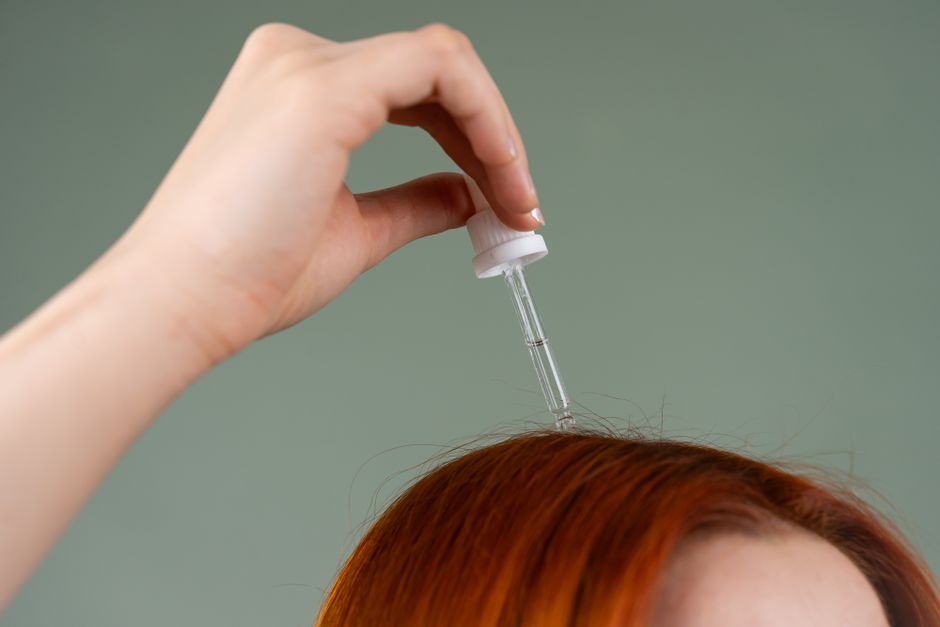
Scalp acne is acne that forms on the skin of your scalp, usually along the hairline or at the back of the head. It happens when hair follicles get clogged with oil and dead skin cells, just like acne anywhere else on your body. Treatment starts with switching to a gentle, sulfate-free shampoo and washing more frequently, especially after sweating. If over-the-counter dandruff shampoos and better washing habits do not clear it up within a few weeks, seeing a dermatologist is the right next step.
What Causes Scalp Acne?
Scalp acne forms the same way facial acne does. Your scalp has thousands of hair follicles, each with an oil gland attached. These glands produce sebum, which is a natural oil that keeps skin and hair moisturized. When too much oil mixes with dead skin cells, the combination can plug the follicle opening. Bacteria that normally live on the skin, particularly Cutibacterium acnes, can then multiply inside the plugged follicle. The result is a red bump, a whitehead, or a tender cyst.
Hair products are a common trigger. Pomades, gels, waxes, and heavy conditioners sit on the scalp and trap oil against the skin. This is so common that dermatologists have a name for it: pomade acne. Sweat mixed with product buildup makes the problem worse, which is why scalp acne often flares in summer or after intense workouts.
Hormones also play a role. Androgens, which are male hormones present in everyone, increase oil production. That is why acne often worsens around menstrual periods or during times of hormonal change. Stress does not directly cause acne, but it can raise hormone levels that increase oil production, making existing breakouts worse.
How Is Scalp Acne Different From Dandruff Or Folliculitis?
Scalp acne is easy to confuse with other scalp conditions, and treating the wrong one wastes time. Dandruff is a fungal condition caused by an overgrowth of yeast called Malassezia. It produces flaky white scales and an itchy scalp, but it does not cause red pimples. Acne is a bacterial condition that produces bumps.
Folliculitis is inflammation of the hair follicle itself. It can look nearly identical to acne — red bumps and pustules — but it is often caused by bacteria like Staphylococcus aureus or by a fungus. Folliculitis tends to be itchier and more widespread than acne. It can also be caused by friction from tight hats, helmets, or headbands.
The distinction matters because treatment differs. Anti-dandruff shampoos target fungus. Acne treatments target bacteria and oil. If you are using a dandruff shampoo for several weeks and seeing no improvement, you may actually be dealing with acne or folliculitis. A dermatologist can look at your scalp with a magnifying tool and tell the difference quickly.
How To Treat Scalp Acne Causes And Solutions: Step-By-Step
The first step is washing your hair more often. If you wash every other day, try daily washing for two weeks. Use a gentle shampoo and massage it into your scalp with your fingertips, not your nails. Rinse thoroughly — leftover shampoo residue can clog follicles.
Choose hair products labeled “non-comedogenic” or “oil-free.” These are formulated not to clog pores. If you use pomade or gel, apply it only to the hair shaft, not the scalp. Wash your hair the same day you use these products, ideally before bed so product does not sit on your scalp overnight.
Wash after sweating. Sweat itself does not cause acne, but it mixes with oil and dead skin to create a sticky film that clogs pores. If you exercise, rinse your scalp with water or use a mild shampoo afterward. Do not wear a sweaty hat or headband for hours after a workout.
Some over-the-counter shampoos contain active ingredients that help with scalp acne. Look for shampoos with salicylic acid, which helps shed dead skin cells, or benzoyl peroxide, which kills acne bacteria. These are available at most drugstores. Use them two to three times per week, alternating with your regular shampoo, because they can be drying.
Do not pick or pop scalp bumps. Picking introduces more bacteria and can cause scarring or permanent hair loss in that spot. If a bump is painful or large, leave it alone and let a dermatologist evaluate it.


What If Over-The-Counter Treatments Do Not Work?
If you have followed a consistent washing routine and used medicated shampoos for four to six weeks with no improvement, see a dermatologist. This is not a failure on your part — some cases of scalp acne need prescription treatment.
A dermatologist may prescribe a topical antibiotic lotion, a retinoid cream, or in stubborn cases, an oral antibiotic. Oral antibiotics reduce the bacteria that cause acne, but they are typically used for a limited time to avoid antibiotic resistance. For women with hormonal acne, a dermatologist might discuss birth control pills or spironolactone, both of which reduce oil production.
If the diagnosis is actually folliculitis rather than acne, the treatment changes. Bacterial folliculitis may need a different antibiotic. Fungal folliculitis needs an antifungal shampoo or oral antifungal medication. This is why getting an accurate diagnosis matters before committing to a treatment plan.
Can Diet Affect Scalp Acne?
The link between diet and acne is real but weaker than most people think. Research consistently shows that high-glycemic foods — things like white bread, sugary drinks, and processed snacks — can worsen acne in some people. These foods spike blood sugar, which triggers a rise in insulin and other hormones that increase oil production.
Some studies suggest dairy, particularly skim milk, may be linked to acne, but the evidence is not strong enough to tell everyone to cut out dairy. If you notice your scalp acne flares after eating certain foods, it is reasonable to reduce those foods for a few weeks and see what happens. But do not expect diet changes alone to cure scalp acne, especially if the cause is product buildup or hormones.
There is no evidence that chocolate, greasy pizza, or fried foods directly cause acne. The myth that greasy food causes greasy skin has been around for decades, but no clinical trial has confirmed it. Eat a balanced diet because it is good for your overall health, not as a guaranteed acne cure.
How To Prevent Scalp Acne From Coming Back
Prevention is mostly about maintaining the habits that cleared your scalp in the first place. Keep washing your hair regularly, and do not skip washes on days you use styling products. Read ingredient labels on everything that touches your scalp — shampoo, conditioner, styling gel, dry shampoo, and even hair dye.
Wash your pillowcases weekly. Your hair and scalp transfer oil and product residue to the fabric every night, and that buildup can migrate back onto your scalp. The same logic applies to hats, headbands, and hairbrushes. Wash brushes weekly with warm soapy water to remove oil and dead skin.
If you use dry shampoo, use it sparingly. Dry shampoo absorbs oil, but it also leaves a powder residue on the scalp that can mix with oil and clog follicles. Some dermatologists recommend avoiding dry shampoo entirely if you are prone to scalp acne, or using it only occasionally and washing it out the same day.
Do not overwash. Washing more than once a day strips the scalp of its natural oils, which can trigger the oil glands to produce even more oil to compensate. Once a day is enough for most people. If your scalp becomes dry, itchy, or irritated, that is a sign you are washing too often or using too many medicated products.
When To See A Doctor
See a dermatologist if your scalp acne is painful, widespread, or leaving scars. See one sooner if you notice hair loss in the same areas as the bumps, because some scalp conditions can cause permanent hair loss if untreated. Also see a doctor if the bumps are oozing fluid, forming crusts, or spreading beyond your scalp — these can be signs of a bacterial infection that needs prescription treatment.
Scalp acne is treatable. Most people improve with consistent washing and product changes within a few weeks. The key is matching the treatment to the actual cause, and being patient enough to give treatments time to work.
Frequently Asked Questions
Can I pop scalp acne?
No. Popping scalp bumps pushes bacteria deeper into the follicle and can cause scarring or permanent hair loss in that spot.
How often should I wash my hair if I have scalp acne?
Wash daily for two weeks to see if more frequent washing helps clear breakouts, then adjust based on how your scalp responds.
Does dandruff shampoo help scalp acne?
Only if the bumps are actually caused by fungus rather than bacteria. If a dandruff shampoo does not improve things in three weeks, the issue is likely acne or folliculitis.
Is scalp acne contagious?
No. Scalp acne is caused by your own oil, dead skin, and bacteria — you cannot catch it from someone else or pass it to another person.
