
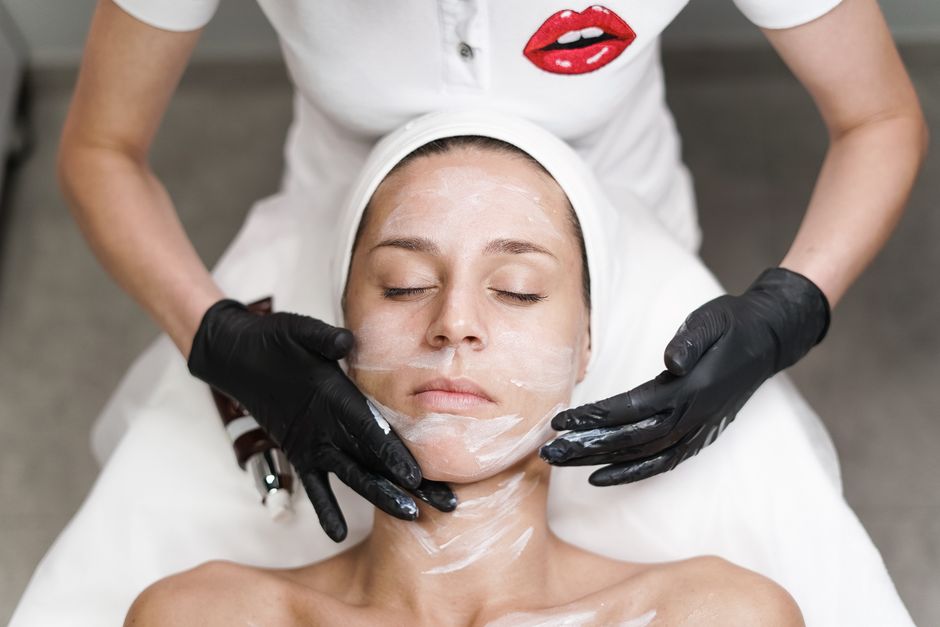
Red skin on your face is frustrating, and figuring out what actually helps can feel like guesswork. The truth is that effective treatment depends entirely on the cause. What works for rosacea will not work for contact dermatitis, and what helps with a damaged skin barrier could make a fungal infection worse. Start by identifying the trigger, then build a routine around calming ingredients and proven treatments. For most people, a combination of gentle skincare, avoiding known triggers, and targeted treatments clears or significantly reduces redness. If the redness is severe, painful, or spreading, see a dermatologist rather than experimenting with more products.
What Causes Red Skin On The Face?
Redness happens when blood vessels in the skin dilate and fill with more blood than usual. This is called flushing. It is a normal response to heat, exercise, or embarrassment. When flushing becomes frequent or persistent, it usually points to an underlying condition.
The most common causes include rosacea, contact dermatitis, seborrheic dermatitis, and a weakened skin barrier. Rosacea typically causes redness on the cheeks, nose, chin, and forehead. It may come with visible blood vessels or small pus-filled bumps that look like acne. Contact dermatitis appears where the skin touched an irritant or allergen, like a new face cream, laundry detergent, or even a face mask. Seborrheic dermatitis usually affects oily areas, especially the sides of the nose, eyebrows, and scalp, and often comes with flaking or scaling.
A damaged skin barrier is not a formal diagnosis, but it is a real and common problem. Over-washing, harsh exfoliants, retinoids used too often, or steroid creams used too long can strip the skin of its natural oils. The skin becomes dry, tight, stinging, and red. This is often called “sensitized skin,” and it responds best to a very simple, gentle routine.
How To Treat Red Skin On Your Face What Works: The Core Approach
The foundation of treating facial redness is the same regardless of the cause: stop irritating the skin. Wash with a gentle, fragrance-free cleanser once or twice a day. Lukewarm water, not hot. Pat the skin dry with a clean towel. Do not rub.
Moisturize immediately after washing while the skin is still slightly damp. Look for products with ceramides, glycerin, or hyaluronic acid. These ingredients help restore the skin barrier and hold water in the skin. Avoid products with fragrance, essential oils, alcohol, or menthol. These are common triggers for redness and stinging.
Daily sunscreen is non-negotiable. Sun exposure is one of the strongest triggers for rosacea flushing and can darken red marks left by acne or injury. Use a mineral sunscreen with zinc oxide or titanium dioxide. These sit on top of the skin and are less likely to irritate than chemical sunscreens.
If you have been using many active products — acids, retinoids, vitamin C, or exfoliating scrubs — stop them all for two weeks. Let the skin settle. Then reintroduce one product at a time, waiting at least a week between each addition. This tells you which product, if any, is causing the problem.
Targeted Treatments For Rosacea And Flushing
Rosacea is a chronic condition with no cure, but it is manageable. Prescription treatments are the most effective option. Topical metronidazole and azelaic acid are first-line therapies that reduce inflammation and bumps. Ivermectin cream is another option, especially when rosacea involves pus-filled bumps. These require a prescription from a doctor.
For persistent redness and visible blood vessels, laser and light therapies are the most reliable treatments. Intense pulsed light (IPL) and vascular lasers such as pulsed dye laser target dilated blood vessels and can visibly reduce redness. Results are not permanent. Maintenance treatments are usually needed every year or two.
Over-the-counter products marketed specifically for redness often contain niacinamide or green tea extract. Some research suggests these ingredients can reduce inflammation and improve skin barrier function. The effect is modest compared to prescription options. They are reasonable additions to a routine, but they are not a substitute for medical treatment if rosacea is moderate or severe.
For sudden flushing episodes, cool water or a clean, cool cloth applied to the face for a few minutes can constrict blood vessels and reduce redness. This is a temporary measure, not a treatment, but it is safe and provides quick relief.



Treating Contact Dermatitis And Allergic Reactions
Contact dermatitis means your skin is reacting to something it touched. The first step is identifying and removing the trigger. Common culprits include fragrance, preservatives like methylisothiazolinone, nickel in eyeglass frames, and even some plant extracts in “natural” skincare.
If the reaction is mild — some redness and itching but no blistering or oozing — stop using all products except a gentle cleanser and a bland moisturizer. A petrolatum-based ointment like Vaseline is often the safest choice because it contains no preservatives or fragrance. The rash usually improves within one to two weeks once the trigger is removed.
If the reaction is severe — blistering, swelling, significant pain, or spreading beyond the contact area — see a doctor. A short course of a prescription topical corticosteroid can calm the inflammation. Oral antihistamines do not treat the rash itself but can reduce itching. Over-the-counter hydrocortisone cream (0.5% to 1%) can be used on the face for a few days only. Prolonged use of steroids on the face can cause thinning of the skin and worsen redness over time.
What To Do About A Damaged Skin Barrier
A damaged skin barrier often feels like a sunburn that never quite heals. The skin stings when you apply almost anything, feels tight, and looks red and shiny. This condition is sometimes called “moisturizer intolerance” because even basic lotions burn.
The treatment is aggressive simplicity. Wash with water only in the morning. At night, use a gentle cleanser designed for sensitive skin. Apply a thick, fragrance-free moisturizer or an ointment. Petrolatum, dimethicone, or shea butter are effective ingredients for trapping moisture and protecting the skin while it repairs itself.
If your skin stings when you apply moisturizer, it is a sign the barrier is significantly impaired. Consider applying a very thin layer of petrolatum over your moisturizer at night. This is called occlusion. It prevents water loss and creates an ideal environment for skin repair. Some dermatologists recommend this approach for a week or two until the stinging stops.
A damaged barrier usually improves within two to four weeks with consistent gentle care. If it does not improve, or if you develop blisters, crusting, or spreading redness, see a dermatologist. You may have a secondary infection or an underlying condition like perioral dermatitis that requires prescription treatment.
When Red Skin Is Something More Serious
Most facial redness is manageable with the approaches above. But some cases require prompt medical attention. If you have redness accompanied by fever, joint pain, or fatigue, see a doctor. These symptoms can indicate systemic conditions like lupus or an infection.
Sudden, severe redness with swelling, difficulty breathing, or a rapidly spreading rash could be a serious allergic reaction. This is a medical emergency. Call emergency services or go to the nearest emergency department.
Redness that does not improve after four weeks of gentle care also warrants a professional evaluation. A dermatologist can perform patch testing to identify allergens, take a skin scraping to check for fungal infection, or prescribe treatments not available over the counter. Persistent redness on the nose that is thickening or changing shape should always be evaluated by a doctor, as this can be a sign of a less common form of rosacea called rhinophyma.
Skincare Ingredients That Help And Ones To Avoid
Some ingredients have solid evidence for calming redness. Niacinamide at concentrations of 2% to 5% has anti-inflammatory properties and supports the skin barrier. Centella asiatica, also called cica or tiger grass, is used in many Korean skincare products and has demonstrated soothing effects in some studies. Colloidal oatmeal is approved by the FDA as a skin protectant and is effective for itchy, irritated skin.
Avoid ingredients that are known irritants. This list includes denatured alcohol, which dries the skin; fragrances, which are among the most common contact allergens; and essential oils like peppermint, eucalyptus, and lavender, which can cause stinging and flushing. Exfoliating acids such as glycolic acid and salicylic acid can help some skin conditions, but they are risky on already-red skin. If you use them, start with the lowest concentration and limit use to once a week.
Frequently Asked Questions
How long does it take for facial redness to go away?
Mild redness from irritation or a damaged skin barrier usually improves within one to four weeks of gentle care. Redness from rosacea or visible blood vessels may require prescription treatment or laser therapy and can take several months to noticeably improve.
Can I use hydrocortisone cream on my face for redness?
Over-the-counter hydrocortisone cream can be used on the face for a few days to calm severe itching or a contact dermatitis flare. Do not use it for more than one to two weeks, as prolonged use can thin the skin and cause a condition called steroid-induced rosacea.
Does toothpaste help with red skin or pimples?
No. Toothpaste is not formulated for skin and contains ingredients like fluoride, baking soda, and detergents that can irritate the skin and make redness worse. Use a proper acne treatment or see a dermatologist instead.
Is red skin on my face a sign of an allergy?
It can be. If the redness appeared after using a new product or touching a new material, contact dermatitis is likely. If the redness comes with swelling of the lips, eyes, or throat, or with breathing difficulty, seek emergency care immediately.
