
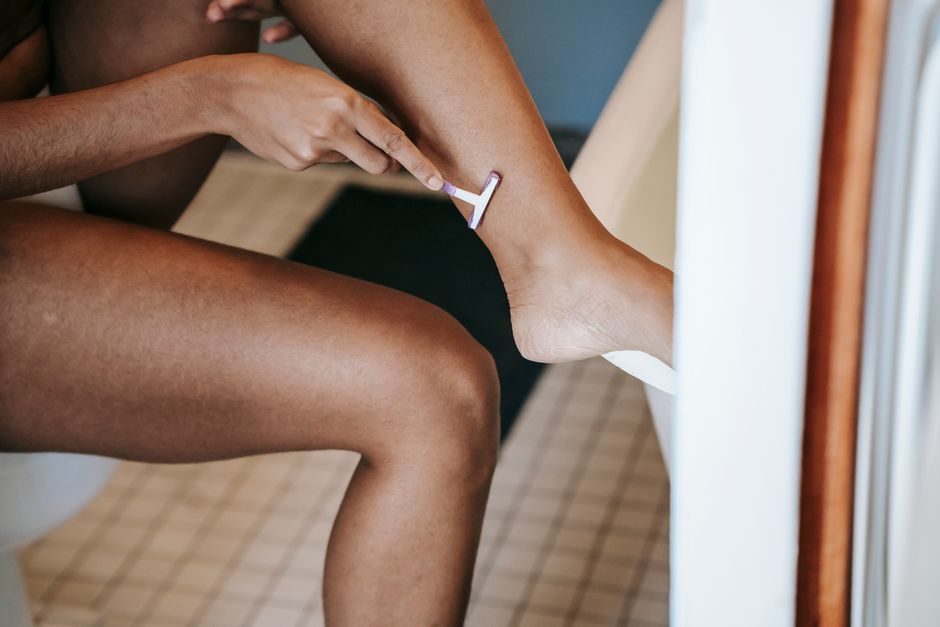
Razor burn on the neck is a form of irritant contact dermatitis. The blade strips away part of the skin’s outer protective layer and leaves behind redness, stinging, and small bumps. Most cases settle within a few days with simple home care: stop shaving the area, rinse with cool water, apply a plain fragrance-free moisturizer, and skip alcohol-based aftershaves. If the rash is spreading, oozing, or getting worse after several days, see a doctor.
What Is Razor Burn, and Why Does the Neck Get It So Badly?
Razor burn is physical damage to the skin barrier, not an infection. Each pass of a blade removes a thin layer of the stratum corneum, the outermost skin layer that holds in moisture and blocks irritants. When that layer is compromised, water escapes and irritants get in. The result is redness, stinging, and sometimes small raised bumps.
The neck takes more abuse than most areas. The skin there is thinner than on the cheeks. Hair grows in several different directions, so a single shaving stroke often cuts some hairs against the grain whether you mean it to or not. The curves and angles make it hard to keep the blade flat. And many people press harder on the neck because they can feel stubble but not see it well in the mirror.
There is a second layer to this that’s worth knowing. Some bumps people call razor burn are actually pseudofolliculitis barbae — ingrown hairs caused when a cut hair curls back and re-enters the skin. It’s especially common in people with tightly curled hair. The two look similar but behave differently. Irritant razor burn calms down in a few days. Ingrown hairs can persist for weeks and may need a different approach. If bumps are centered on individual hair follicles and keep coming back in the same spots, that’s the more likely explanation.
How To Treat Razor Burn On Your Neck At Home
Stop shaving the affected area for at least a few days. That single step does more than anything you can apply to the skin afterward. Continued shaving over irritated skin keeps reopening the damaged barrier and delays healing.
Then work through these steps:
- Rinse with cool water. Cool water soothes the sting and removes leftover shaving cream residue. Avoid hot water, which increases blood flow to the area and can make redness worse.
- Pat dry, don’t rub. Use a clean towel and press gently. Friction on damaged skin slows repair.
- Apply a plain, fragrance-free moisturizer. Look for short ingredient lists. Ceramide-containing creams and plain petrolatum-based ointments both help restore the skin barrier. Fragrance and botanical extracts are common irritants on broken skin.
- Skip alcohol-based aftershaves and toners. The sting tells you something. Alcohol and menthol feel cooling for a moment but dry and irritate compromised skin.
- Use a cool compress for comfort. A clean cloth wrung out in cool water, applied for a few minutes at a time, can reduce the burning sensation. Don’t hold ice directly against the skin.
- Leave the area alone. Don’t pick at bumps or scrub the skin. Exfoliating irritated skin makes it worse.
An over-the-counter hydrocortisone cream is sometimes used for a few days on inflamed skin. It can reduce redness and itching, but it should not go on broken or oozing skin, and it isn’t meant for long-term use. If you’re considering it, a pharmacist can advise on whether it fits your situation.
Most uncomplicated razor burn improves noticeably within two to three days. Full resolution of redness typically takes about a week. If it isn’t improving in that window, something else may be going on.
What Should You Avoid Putting on Razor Burn?
Almost everything marketed as post-shave care is designed for intact skin, not damaged skin. That distinction matters.
Alcohol-based splashes, menthol-heavy balms, and anything labeled “cooling” or “tingling” tend to contain ingredients that irritate a compromised barrier. Fragrance is one of the most common causes of contact dermatitis, and it’s in a large share of aftershave products. Essential oils, though natural, are also frequent irritants.
Skip scrubs, loofahs, and exfoliating acids until the skin has fully settled. Skip any product that stings on contact — stinging is a signal, not a sign it’s working.
If you want a simple rule: the fewer ingredients, the better. Plain petrolatum, a basic ceramide cream, or a fragrance-free moisturizer formulated for sensitive skin are reasonable choices. Products with long ingredient lists and claims about “repair technology” have no particular advantage here.
How Do You Shave Without Irritating Your Neck Again?
Prevention comes down to reducing friction, cutting fewer layers of skin per stroke, and softening the hair before the blade touches it. None of these steps is complicated. All of them matter more than any product you apply afterward.
Practical changes that make a real difference:
- Shave after a warm shower. Warm water softens hair and hydrates the skin. Shaving dry or on skin that’s been wet for only a few seconds increases friction.
- Use shaving cream or gel, not soap. Bar soap doesn’t provide the same cushioning layer. Let the product sit on the skin for a minute or two before shaving.
- Use a sharp blade. Dull blades drag and tug rather than cut cleanly. Replace them regularly — more often than most people do.
- Shave with the grain. On the neck, that means figuring out which direction the hair actually grows, which often varies across the area. Run a finger across the skin to feel the direction of growth. Shaving with the grain leaves a slightly less close shave but causes far less irritation.
- Use light pressure. Let the razor do the work. Pressing harder doesn’t get a closer shave — it removes more skin.
- Rinse the blade between strokes. Clogged blades drag.
- Limit passes. One pass with the grain is the gentlest option. Multiple passes in different directions increase the risk of irritation and ingrown hairs.
An electric razor is worth considering if you’re prone to irritation. Rotary and foil shavers cut hair slightly above the skin surface rather than at it, which generally causes less irritation than a blade. The trade-off is a less close shave. For people who get recurrent razor burn, that trade-off is often worth it.
When Should You See a Doctor for Razor Burn?
Most razor burn doesn’t need medical attention. Some cases do, and it’s worth knowing the difference.
See a doctor or pharmacist if:
- The rash is spreading or getting worse after several days rather than improving
- There are pus-filled bumps, oozing, or increasing pain
- The area feels hot to the touch or you develop a fever
- Bumps keep recurring in the same spots despite changing your shaving routine — this may be pseudofolliculitis barbae, which sometimes needs medical treatment
- You have diabetes or a weakened immune system, since skin infections carry higher risk
Razor burn itself doesn’t typically become infected, but small breaks in the skin can let bacteria in. A rash that’s getting worse rather than better after a few days is worth having looked at. Bacterial folliculitis — infection of the hair follicles — can look similar to razor burn at first but usually needs different treatment.
Some clinicians recommend topical antibiotics for inflamed folliculitis, but this isn’t something to self-treat. If you suspect infection, get it assessed.
The Bottom Line
Razor burn on the neck is a barrier injury, and it heals the way barrier injuries heal — with time, moisture, and less friction. Stop shaving the area, rinse with cool water, apply a plain moisturizer, and leave it alone for a few days. Change your shaving routine going forward: sharper blade, with the grain, light pressure, proper shaving cream. If it isn’t improving in about a week, or if signs of infection appear, get it checked.
Frequently Asked Questions
How long does razor burn on the neck take to heal?
Most uncomplicated razor burn improves within two to three days, with redness typically fading over about a week. Healing takes longer if you keep shaving the area.
Can I use aloe vera on razor burn?
Plain aloe vera gel can soothe irritated skin and is generally well tolerated. Avoid products that combine aloe with alcohol, fragrance, or menthol, since those ingredients can irritate damaged skin.
Is razor burn the same as ingrown hairs?
No. Razor burn is irritation from the blade removing the skin’s outer layer, while ingrown hairs happen when a cut hair curls back into the skin. Ingrown hairs tend to last longer and form bumps centered on individual follicles.
Should I stop shaving if I have razor burn on my neck?
Yes, stopping shaving the affected area for a few days is the single most effective step. Continued shaving reopens the damaged skin barrier and delays healing.
