
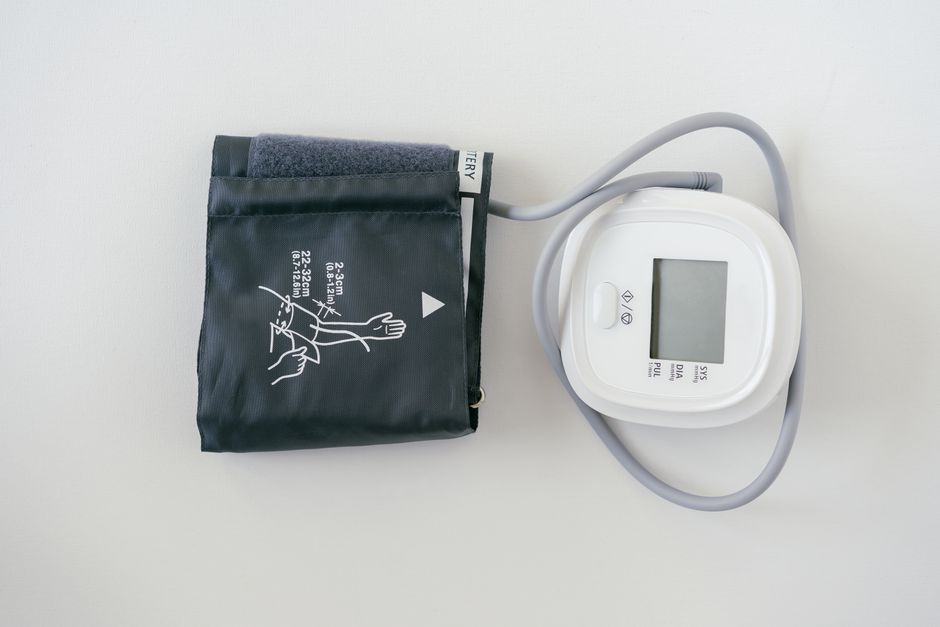
Preeclampsia is a serious blood pressure disorder that develops during pregnancy, usually after 20 weeks, and the only true cure is delivery of the baby and the placenta. Treatment from diagnosis to recovery focuses on two goals at once: protecting the mother from dangerous complications like seizures, stroke, and organ damage, and giving the baby as much time to mature as safely possible. After delivery, blood pressure can take days to weeks to return to normal, and monitoring continues until it does.
What Is Preeclampsia and Why Does It Happen?
Preeclampsia is a pregnancy complication defined by new high blood pressure and signs of damage to organs such as the liver or kidneys. It affects roughly 5 to 8 percent of pregnancies in the United States.
The condition is diagnosed when blood pressure reaches 140/90 mm Hg or higher on two occasions at least four hours apart, combined with protein in the urine or other organ problems. In severe cases, blood pressure climbs to 160/110 mm Hg or higher.
The exact cause is not fully understood. What researchers do know is that the placenta plays a central role. In a typical pregnancy, blood vessels supplying the placenta widen to deliver blood efficiently. In preeclampsia, those vessels develop abnormally, which can restrict blood flow. The stressed placenta then releases substances into the mother’s bloodstream that damage blood vessel linings and trigger widespread inflammation.
This is why preeclampsia can affect multiple organ systems — not just blood pressure. The kidneys, liver, brain, and blood clotting system can all be involved. It also explains why removing the placenta ends the condition, though blood pressure sometimes stays elevated for a while afterward.
Some risk factors are well established. These include a first pregnancy, a history of preeclampsia in a prior pregnancy, carrying multiples, chronic high blood pressure, diabetes, kidney disease, and certain autoimmune conditions. Obesity and age over 40 also raise risk. But preeclampsia can and does occur in people with none of these factors.
How Is Preeclampsia Diagnosed and Monitored?
Diagnosis starts with routine prenatal blood pressure checks and urine tests. When readings are elevated, doctors order blood work to check for signs of organ stress.
Key tests include a complete blood count to look for low platelets, liver enzyme tests, and kidney function tests measuring creatinine. A urine test measures protein levels. These results help determine whether the condition is mild or severe.
Once diagnosed, monitoring becomes more frequent. This typically includes:
- Blood pressure checks several times per week or daily, depending on severity
- Repeat blood tests to track platelets, liver enzymes, and kidney function
- Regular urine protein measurements
- Fetal monitoring — nonstress tests, biophysical profiles, or ultrasound to check the baby’s growth and well-being
The frequency of monitoring depends on how far along the pregnancy is and how severe the condition appears. Mild preeclampsia may be managed with close outpatient monitoring. Severe features usually require hospital admission.
One important point: preeclampsia can worsen quickly. Symptoms that signal a turn for the worse include severe headaches, vision changes like blurring or seeing spots, upper abdominal pain (especially under the ribs on the right side), shortness of breath, and sudden swelling of the hands and face. These are medical emergencies and warrant immediate care.
How Is Preeclampsia Treated Before Delivery?
Before delivery, treatment aims to control blood pressure, prevent seizures, and time the delivery so the baby is as safe as possible. There is no medication that reverses preeclampsia itself.
For mild preeclampsia at or beyond 37 weeks, delivery is generally recommended. Before 37 weeks, doctors weigh the risks of prematurity against the risks of letting the condition progress. In some cases, careful monitoring allows the pregnancy to continue for days or weeks.
When the condition is severe or the mother or baby shows signs of distress, delivery happens regardless of gestational age. This is a clinical judgment made by the care team.
Two medications are central to management:
Magnesium sulfate is given through an IV to prevent and treat seizures (eclampsia). It is the standard of care for severe preeclampsia and has strong evidence behind it. It is not a blood pressure medication — its job is seizure prevention.
Antihypertensive medications are used to lower dangerously high blood pressure. Commonly used drugs include labetalol, nifedipine, and hydralazine. These are considered safe in pregnancy. ACE inhibitors and ARBs are avoided because they can harm the fetus.
Bed rest is sometimes recommended, though evidence supporting strict bed rest for improving outcomes is limited. Some clinicians advise reduced activity, but this is not a proven treatment. Corticosteroids may be given before 37 weeks to help the baby’s lungs mature if early delivery is likely.
What does not work: there is no diet, supplement, or lifestyle change that treats preeclampsia once it has developed. Claims otherwise are not supported by evidence.





What Happens During Delivery and Immediately After?
Delivery is the definitive treatment. The method — vaginal or cesarean — depends on the situation. Severe preeclampsia, fetal distress, or a baby too premature for safe vaginal delivery often leads to a C-section.
During labor and delivery, blood pressure is monitored closely. Magnesium sulfate may continue for 24 hours after delivery to reduce seizure risk. This is standard practice for severe cases.
After delivery, blood pressure often remains elevated for a few days and then gradually declines. In most cases, it returns to normal within a few weeks. However, some women develop persistent high blood pressure that requires ongoing treatment.
Postpartum monitoring is critical. Preeclampsia can worsen after delivery, sometimes for the first time. Severe headaches, vision changes, or shortness of breath in the days after birth require immediate medical attention. Most postpartum complications occur within 48 hours of delivery, but they can appear up to six weeks later.
Breastfeeding is generally encouraged. Most blood pressure medications used after delivery are considered compatible with breastfeeding, though this should be discussed with a doctor.
How Long Does Recovery Take?
Physical recovery varies. Blood pressure typically normalizes within a few days to a few weeks after delivery. If it remains high beyond six weeks, it may indicate chronic hypertension that needs separate management.
Some women continue to have elevated blood pressure for months. This is more common in those who had preeclampsia with severe features or who delivered prematurely.
Other recovery considerations:
- Swelling usually resolves within a week or two
- Fatigue can last for weeks, especially after a complicated delivery or C-section
- Emotional recovery matters too — preeclampsia can be frightening, and some women experience anxiety or symptoms of postpartum depression afterward
Follow-up care is important. Blood pressure should be checked within a week or two after delivery, and again at the standard postpartum visit. Women who had preeclampsia have a higher long-term risk of cardiovascular disease, so ongoing blood pressure monitoring and heart-healthy habits are recommended.
Can Preeclampsia Be Prevented?
For women at high risk, low-dose aspirin started early in pregnancy can reduce the risk of developing preeclampsia. This is supported by substantial evidence and is recommended by major obstetric organizations for women with specific risk factors.
Low-dose aspirin is typically started between 12 and 16 weeks of pregnancy and continued until delivery. It is not recommended for everyone — only those with risk factors such as prior preeclampsia, chronic hypertension, diabetes, kidney disease, or multiple gestation.
Calcium supplementation may reduce risk in populations with low dietary calcium intake. This is more relevant in parts of the world where calcium deficiency is common. In the United States, where most people get adequate calcium from diet, the benefit is less clear.
Other strategies have been studied but do not have strong evidence for prevention. These include vitamin D, fish oil, and bed rest. No diet or supplement has been proven to prevent preeclampsia in well-nourished populations.
What women can do is attend all prenatal visits, report symptoms promptly, and know their risk factors. Early detection leads to better outcomes.
What Are the Risks if Preeclampsia Is Not Treated?
Untreated preeclampsia can lead to serious complications for both mother and baby. For the mother, risks include seizures (eclampsia), stroke, liver rupture, kidney failure, and a blood clotting disorder called HELLP syndrome. HELLP stands for hemolysis, elevated liver enzymes, and low platelets.
For the baby, risks include poor growth, premature birth, and in severe cases, stillbirth. The placenta may not deliver enough oxygen and nutrients, which can affect fetal development.
These risks are why treatment is not optional. Even mild preeclampsia requires monitoring. The condition can progress rapidly, and complications can occur without warning.
With proper care, most women with preeclampsia deliver healthy babies. The key is early diagnosis, close monitoring, and timely delivery when needed.
Frequently Asked Questions
Can preeclampsia go away on its own before delivery?
No, preeclampsia does not resolve on its own before delivery. The only cure is delivery of the baby and placenta, though in some cases the condition can be managed with close monitoring until it is safe to deliver.
How soon after delivery does blood pressure return to normal with preeclampsia?
Blood pressure usually returns to normal within a few days to a few weeks after delivery. If it remains high beyond six weeks, it may indicate chronic hypertension that requires separate treatment.
Is it safe to breastfeed after having preeclampsia?
Yes, breastfeeding is generally safe and encouraged after preeclampsia. Most blood pressure medications used after delivery are considered compatible with breastfeeding, but this should be confirmed with a doctor.
Can you have preeclampsia without swelling or other symptoms?
Yes, preeclampsia can develop without obvious symptoms, which is why routine prenatal blood pressure and urine checks are important. Some women only discover it through routine testing.
