
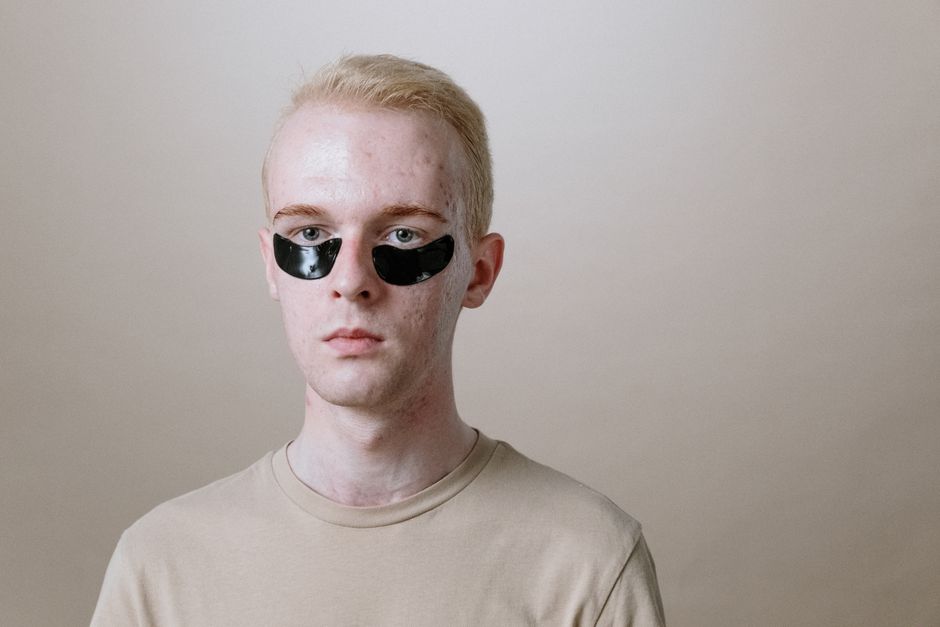
Treating a pimple while you are taking isotretinoin (the drug most people know as Accutane) comes down to one rule: do not pick, pop, or scrub it. Instead, keep the area clean with a gentle cleanser, leave it alone, and let the medication do its work. Your skin is thinner and more fragile on this drug, so the normal tricks you used before can now cause scarring, infection, or a worse breakout.
Isotretinoin is a powerful prescription medicine for severe acne. It shrinks the oil glands and changes how skin cells turn over. That process takes months, and in the meantime your skin becomes dry, sensitive, and slow to heal. A pimple that shows up during treatment is not a sign the drug has failed. It is part of how the medicine works over time.
Why Do Breakouts Still Happen While On Accutane?
Isotretinoin does not clear acne overnight. It works by shrinking sebaceous glands and reducing oil production, and that change happens gradually across a full course of treatment that usually lasts several months. Early in treatment, many people actually see their acne get worse before it gets better.
This early worsening is common and expected. As the drug begins to change how skin cells shed inside the pore, trapped material can push to the surface and cause new pimples or make existing ones more inflamed. Clinicians often call this the purging phase. It is not a reason to stop the medication on your own, but it is a reason to check in with your prescriber if it is severe.
Later in the course, isolated pimples can still appear even when your skin looks much clearer. One new spot does not mean the treatment is failing. The full benefit is judged at the end of the course, not week by week.
What Is The Safest Way To Treat A Pimple While On Accutane?
Leave it alone. The single safest action for a pimple during isotretinoin treatment is to not touch it. Your skin heals more slowly and scars more easily on this drug, and squeezing pushes bacteria and inflammation deeper into the skin.
If you feel you must do something, keep it minimal:
- Wash the area once or twice a day with a mild, fragrance-free cleanser and lukewarm water.
- Pat dry with a soft towel. Do not rub.
- Apply a plain moisturizer to keep the skin barrier from cracking.
- Use a warm compress briefly if a spot feels tender, but avoid heat that burns or prolonged pressure.
- Keep your hands off your face during the day.
That is the whole routine. Resist the urge to add new products to “fix” a single pimple. Adding actives on top of isotretinoin is where most people get into trouble.
Which Acne Products Should You Avoid On Accutane?
Most over-the-counter acne treatments are too harsh for skin that is already being dried and thinned by isotretinoin. The ingredients that helped before can now cause redness, peeling, and irritation that makes everything look worse.
Ingredients and habits to avoid while on treatment include:
- Benzoyl peroxide and salicylic acid, which can be very drying on top of the drug.
- Retinoid creams such as tretinoin or adapalene, since isotretinoin is already a retinoid.
- Alcohol-based toners, astringents, and strong exfoliants.
- Scrubs, facial brushes, and chemical peels.
- Waxing, which can tear fragile skin.
- Drying spot treatments marketed for overnight pimple removal.
Some clinicians do allow a very small amount of a gentle product on a single stubborn spot, but this is a decision for your prescriber, not something to start on your own. The general clinical direction is to keep your routine simple and gentle for the whole course.

How Should You Care For Your Skin During Treatment?
Gentle skin care is the backbone of managing acne while on isotretinoin. The goal is to protect a skin barrier that the drug is actively thinning and drying.
Focus on a few basics:
- Use a mild, non-foaming, fragrance-free cleanser. Wash no more than twice a day.
- Moisturize generously and often. Creams and ointments hold moisture better than thin lotions.
- Apply a lip balm constantly, since lips crack and peel on this drug.
- Use a broad-spectrum sunscreen every day. Skin becomes more sensitive to sun during treatment.
- Use a humidifier and avoid very hot showers, which strip moisture from skin.
These steps will not clear a pimple directly, but they reduce the irritation and cracking that make breakouts look and feel worse. A calm skin barrier also heals faster.
When Should You Call Your Doctor About A Pimple?
Call your prescriber if a pimple becomes large, painful, or keeps getting worse instead of settling down. Most single pimples resolve on their own, but some can grow into a deeper, inflamed bump that needs medical attention.
Reach out if you notice:
- A spot that is rapidly growing, very painful, or hot to the touch.
- Signs of infection such as spreading redness, pus, or fever.
- Severe early worsening of your acne during the first weeks of treatment.
- New or worsening mood changes, which are a known concern with isotretinoin and should always be reported.
Isotretinoin is a serious medication with real risks, including effects on the liver, blood fats, and pregnancy. Never change your dose or stop the drug based on a breakout. Talk to your prescriber first.
What About Popping Or Picking A Pimple On Accutane?
Do not pop or pick. This is the most important rule, and it matters more on isotretinoin than at any other time. The drug makes skin thinner and slows healing, so a squeezed pimple is far more likely to leave a scar or a dark mark that lingers.
Picking also pushes inflammation and bacteria deeper, which can turn a small spot into a larger, more painful one. If you have a habit of picking, try keeping your hands busy, trimming your nails short, and covering the spot with a small bandage to remind yourself not to touch it. If picking feels out of your control, tell your doctor. It is a common struggle and there is help for it.
Does Diet Or A Skincare Add-On Help Clear Pimples Faster?
No diet or add-on product has been shown to clear a pimple faster while you are on isotretinoin. The medication is doing the main work, and adding unproven products mostly raises the risk of irritation.
Some people ask about supplements, special cleansers, or “acne diets.” The evidence for most of these is limited, and none replaces the effect of the prescription itself. If you want to try something extra, ask your prescriber first, because some supplements and products can interact with the drug or irritate your skin.
The most useful thing you can do is stay consistent with your prescription, keep your routine gentle, and give the treatment the full course of time it needs.
Frequently Asked Questions
Can I pop a pimple while on Accutane?
No. Popping a pimple on isotretinoin greatly increases the risk of scarring and infection because the drug thins the skin and slows healing. Leave it alone and let it resolve.
Why am I still breaking out on Accutane?
Breakouts are common early in treatment because the drug works gradually and can cause an initial worsening before skin clears. A single new pimple later in the course does not mean the treatment is failing.
What can I put on a pimple while taking isotretinoin?
Keep it simple: a gentle cleanser, a plain moisturizer, and a broad-spectrum sunscreen. Avoid benzoyl peroxide, salicylic acid, and retinoid creams unless your prescriber says otherwise.
Should I stop Accutane if I get a bad breakout?
No. Never stop or change your dose on your own. Call your prescriber, who can assess whether the breakout is expected and whether anything needs to change.
