
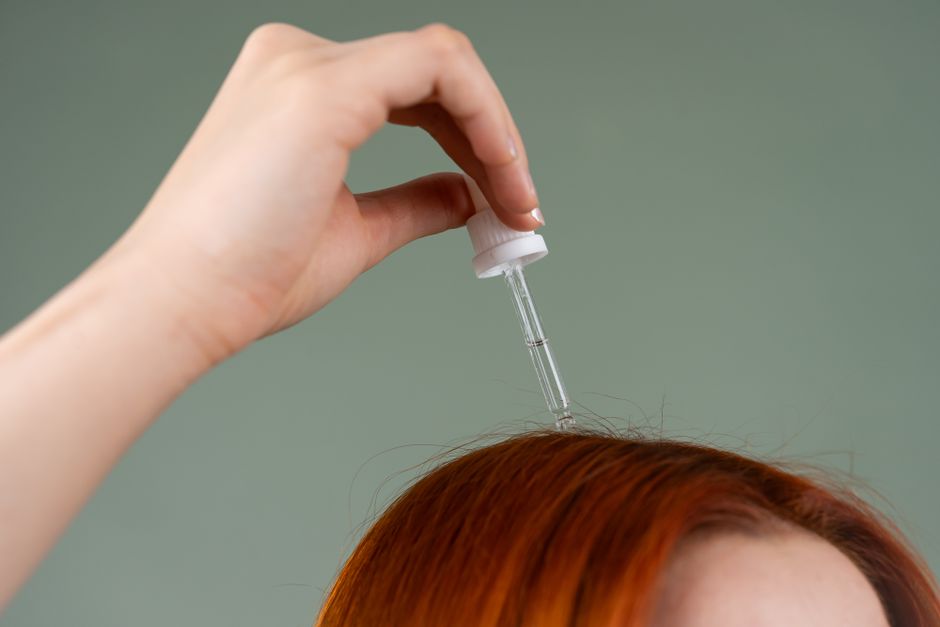
Scalp pimples are small inflamed bumps on the skin under your hair, and they are usually treated by stopping the products and habits that clog hair follicles, washing gently with a mild shampoo, and avoiding picking or scratching. Most improve within days to a few weeks once the trigger is removed. Prevention means keeping the scalp clean without over-washing, rinsing shampoo and conditioner out fully, and not letting oils, sweat, or tight hairstyles sit against the skin for long.
What Causes Pimples On The Scalp?
Most scalp bumps are folliculitis — inflammation of the hair follicles. Each hair grows out of a follicle, a small pocket in the skin. When that pocket gets blocked, irritated, or infected, it swells into a tender red bump that can look exactly like a pimple on your face.
The most common trigger is a buildup of oil, dead skin cells, and hair product residue. Conditioners, leave-in treatments, dry shampoos, and styling gels can coat the follicle opening. Sweat trapped under hair does the same thing. So does going to bed without rinsing out product, or wearing a hat for hours after a workout.
Bacteria on the skin — especially Staphylococcus aureus — can move into an irritated follicle and cause a mild infection. This is common and usually not serious. Fungal overgrowth is a separate cause. The yeast Malassezia, which lives on most adult scalps, is linked to dandruff and seborrheic dermatitis, and it can also cause itchy follicular bumps. That pattern tends to come with flaking and itching rather than isolated tender spots.
Other causes worth knowing:
- Ingrown hairs after shaving, waxing, or tight braiding
- Friction from hats, helmets, headbands, or tight ponytails
- Acne that extends from the face or neck onto the hairline
- Contact reactions to a shampoo, dye, or fragrance
- Medications — some drugs can trigger folliculitis as a side effect
One clarification that matters: not every scalp bump is a pimple. Small hard bumps, cysts, or persistent sores that do not behave like acne may have a different cause and need a clinician’s eyes. More on that below.
How To Treat Pimples On Scalp And Prevent Flare Ups
Treatment starts with removing the trigger, not adding more products. If your scalp bumps appeared after a new conditioner, a heavy oil treatment, or a stretch of skipping washes, that is your first clue.
Here is the practical approach most dermatologists would recognize:
- Wash regularly with a gentle shampoo. For most people that means every one to three days, depending on how oily your scalp and hair get. Skipping washes lets oil and product build up.
- Rinse thoroughly. Leftover conditioner at the roots is a common and underrated cause. Keep heavy conditioners on the mid-lengths and ends, away from the scalp.
- Stop heavy leave-in products temporarily. Oils, pomades, and dry shampoo can keep follicles blocked. Pause them until the bumps settle.
- Do not pick or scratch. This is the single most common way a minor bump becomes an infected one. It also risks scarring and hair loss at the site.
- Wash sweat out after exercise. Rinse or shampoo within a reasonable window after a hard workout, especially if you wear a hat or helmet.
- Loosen tight styles. Braids, buns, and ponytails pulled tight put constant tension on follicles.
For mild bacterial folliculitis, some clinicians suggest an over-the-counter antibacterial wash. For suspected fungal involvement — itchy, flaky bumps — an antidandruff shampoo containing ingredients like ketoconazole, zinc pyrithione, or selenium sulfide is commonly used. These are widely available and generally well tolerated. If your scalp does not improve after a few weeks of consistent gentle care, that is the point to see a doctor rather than escalate products on your own.
Prescription options exist for stubborn cases — topical antibiotics, oral antibiotics for more widespread bacterial infection, or antifungal treatment. Those require a diagnosis first. Using prescription-strength products without knowing whether the cause is bacterial, fungal, or simple irritation can make things worse.
Which Shampoos And Products Actually Help?
There is no single shampoo that treats all scalp pimples, because the cause varies. What helps is matching the product to the likely trigger.
For product buildup and mild irritation, a gentle, fragrance-free shampoo used consistently does most of the work. You do not need a medicated product for simple clogging.
For suspected fungal involvement (itching, flaking, bumps along the hairline), antidandruff shampoos with ketoconazole, zinc pyrithione, or selenium sulfide are the standard over-the-counter route. They are typically used a few times a week and left on the scalp briefly before rinsing, following the label directions. Improvement usually takes a few weeks of regular use, not one wash.
For suspected bacterial folliculitis, some clinicians recommend an antibacterial wash. The evidence for over-the-counter antibacterial shampoos specifically is limited compared with prescription treatment, so this is common practice rather than strongly proven first-line care.
What to avoid: heavy oils and occlusive balms on the scalp, and piling on multiple new products at once. If something is irritating your scalp, adding three more products makes it harder to figure out what caused it. Change one thing at a time.





When Should You See A Doctor About Scalp Bumps?
See a doctor if scalp bumps are spreading, getting larger, or forming pus-filled sores that do not heal. These signs suggest the problem may need prescription treatment rather than home care.
Also worth a professional look:
- Bumps that persist for more than a few weeks despite gentle care
- Pain, swelling, or warmth that is worsening
- Hair loss at the site of the bumps
- Fever or feeling unwell alongside a scalp infection
- Bumps that bleed, crust, or change appearance
- A single firm bump that keeps growing
That last point deserves emphasis. A persistent firm lump on the scalp is not the same as acne, and it should be examined. Most turn out to be harmless cysts, but a clinician needs to make that call. Do not assume.
People with diabetes, weakened immune systems, or a history of recurrent skin infections should seek care earlier rather than waiting it out.
Habits That Prevent Scalp Breakouts
Prevention comes down to keeping follicles clear and reducing friction and irritation. None of it is complicated, but consistency matters more than any single product.
Wash your hair tools. Brushes, combs, and pillowcases collect oil, product, and bacteria. Cleaning them regularly is a simple step many people skip.
Let your scalp breathe. Take off hats and helmets when you can. Wash your hair or at least rinse after heavy sweating.
Watch your hairstyles. Avoid styles that pull tight for long stretches. If a style causes tenderness at the roots, loosen it.
Keep products off the scalp. Apply conditioner, oils, and styling products to the hair itself, not the roots, unless the product is designed for scalp use.
Manage oil without over-washing. Washing too aggressively can strip the scalp and trigger more oil production. Find a rhythm that keeps your scalp comfortable — for most people that is somewhere between daily and every few days.
If you have dandruff or seborrheic dermatitis, keeping that under control with regular antidandruff shampoo use reduces the itchy, flaky bumps that come with it. Flare-ups of these conditions and scalp pimples often travel together.
Scalp Pimples vs. Other Scalp Conditions
Scalp pimples are one of several conditions that look similar at a glance, and telling them apart changes what helps. Acne and folliculitis are the most common. Fungal folliculitis tends to itch and flake. Contact dermatitis from a product causes redness and irritation rather than distinct bumps. Cysts are firm and deeper.
The distinction matters because treatments differ. An antifungal shampoo will not fix a blocked follicle from heavy conditioner. A gentle wash will not clear a bacterial infection that needs antibiotics. And a persistent lump that is not acne needs a different kind of attention entirely.
You do not need to diagnose yourself with certainty. But noticing whether your bumps itch, flake, hurt, or stay put helps you and your clinician narrow it down. If home care is not working after a few weeks, that pattern itself is useful information.
Frequently Asked Questions
How do you get rid of scalp pimples fast?
Stop heavy hair products, wash gently with a mild shampoo, rinse fully, and avoid picking. Most mild cases settle within days to a few weeks once the trigger is removed, though faster improvement is not guaranteed.
Are scalp pimples caused by poor hygiene?
Not usually. Product buildup, sweat, friction, and oil play a bigger role than hygiene, and over-washing can actually irritate the scalp further.
Should I pop a pimple on my scalp?
No. Popping or scratching can push bacteria deeper, worsen infection, and risk scarring or hair loss at that spot.
When should I see a doctor for scalp bumps?
See a doctor if bumps spread, form pus, cause hair loss, or do not improve after a few weeks of gentle care. A single firm lump that keeps growing should always be examined.
