
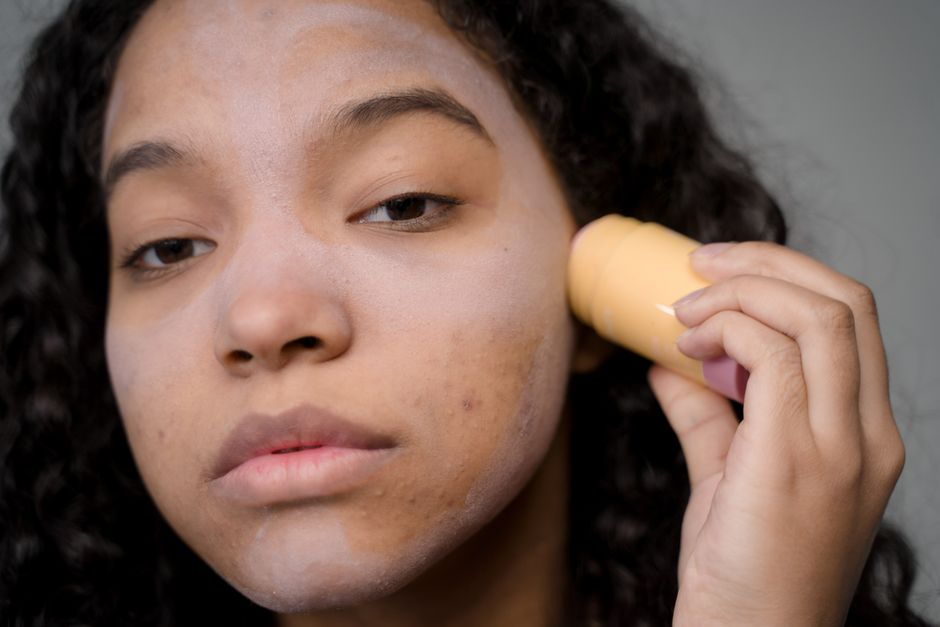
Post-inflammatory hyperpigmentation, or PIH, is the dark spot left behind after acne, a cut, a burn, or another skin injury heals. It is not a scar in the traditional sense, but rather a patch of skin that produces too much melanin in response to inflammation. The good news is that PIH is treatable, and most cases fade with consistent, targeted care. The most effective remedies combine daily sun protection, proven brightening ingredients like hydroquinone or vitamin C, and a strict “hands-off” policy to prevent new spots from forming.
What Exactly Is PIH and Why Does It Happen?
When your skin gets injured or inflamed, it sends a signal to the melanocytes, the cells that produce pigment. In response, these cells go into overdrive and deposit excess melanin into the skin. This leaves a flat, discolored mark. The mark can be brown, black, or even reddish-purple depending on your skin tone and the depth of the pigment.
Acne is the most common cause of PIH, but it also comes from eczema, insect bites, psoriasis, and even aggressive skincare treatments like chemical peels or waxing. PIH is more common and often more severe in people with darker skin tones, including Fitzpatrick skin types III through VI. This is because these skin types naturally produce more melanin, making them more reactive to inflammation.
It is important to distinguish PIH from true scarring. A scar involves a change in skin texture, like a raised bump or a dent. PIH is flat. If the spot is flat, it is likely pigment and will respond to topical treatments. If it is raised or indented, you are dealing with a scar that requires different treatments like laser therapy or microneedling.
Does Sunscreen Actually Fade Dark Spots?
Yes, and it is the single most important step in treating PIH. Without sunscreen, every other product you use is working against the sun. Ultraviolet light stimulates melanocytes to produce more pigment. When you treat a dark spot but do not protect it from the sun, the spot will not fade, and it may get darker.
You need a broad-spectrum sunscreen with an SPF of 30 or higher. You need to apply it every morning, even on cloudy days, and reapply every two hours if you are outdoors. The sun’s rays penetrate clouds and windows, so this is not optional. Look for sunscreens with zinc oxide or titanium dioxide if you have sensitive skin, as these are physical blockers that sit on top of the skin. Chemical sunscreens like avobenzone or oxybenzone absorb UV rays and can sometimes irritate sensitive or acne-prone skin, which can trigger more inflammation and more PIH.
Some dermatologists recommend tinted sunscreens containing iron oxides for PIH. Iron oxides block visible light, which is a less-discussed trigger for melanin production in darker skin tones. A tinted sunscreen that matches your skin tone can offer this extra layer of protection while also covering the dark spot cosmetically.
Which Brightening Ingredients Are Proven to Work?
Several ingredients have strong clinical evidence behind them for fading PIH. These are not marketing gimmicks. They work through different mechanisms, and combining them often gives the fastest results.
Hydroquinone is considered the gold standard. It works by blocking an enzyme called tyrosinase, which is needed to make melanin. It is available over the counter in 2% concentrations and by prescription in 4%. Many dermatologists consider it the most effective topical treatment for PIH. However, it should be used in cycles, typically for three months on and one month off, to reduce the risk of side effects. It is not recommended for long-term continuous use.
Vitamin C is a powerful antioxidant that interrupts melanin production at an early stage. It is gentler than hydroquinone and safe for long-term use. The most effective form is L-ascorbic acid, but it is unstable and degrades quickly in light and air. Look for it in dark, airtight packaging. Serums with concentrations between 10% and 20% are the most studied. If your skin is sensitive, start with a lower percentage to avoid stinging.
Retinoids like adapalene and tretinoin speed up cell turnover. They push pigmented cells to the surface faster, where they shed off. They are excellent for treating PIH caused by acne because they also treat the acne itself. Retinoids can cause dryness and peeling, so start with a low concentration and use it only at night.
Azelaic acid is a gentler alternative. It works by inhibiting tyrosinase and is particularly well-tolerated by people with sensitive skin or rosacea. It is available in 10% over the counter and 15% to 20% by prescription.
Kojic acid is derived from fungi and also blocks tyrosinase. It is effective but can be irritating at high concentrations. It is often combined with hydroquinone or vitamin C in treatment formulas.
Niacinamide is a form of vitamin B3. It works by blocking the transfer of melanin from melanocytes to skin cells. It is very gentle and pairs well with almost any other ingredient. A 5% concentration is well-studied and effective.




How Long Until the Dark Spots Fade?
Do not expect overnight results. PIH is stubborn. With consistent use of the right products and rigorous sun protection, you can expect to see noticeable lightening in eight to twelve weeks. Complete resolution can take six months or longer, depending on how deep the pigment sits in your skin.
Superficial PIH, which appears light brown, fades faster. Deep PIH, which appears dark brown or gray, takes longer. The depth of the pigment determines how long it takes your body to clear it. Your body has to break down the excess melanin and carry it away through your lymphatic system. This is a slow biological process that cannot be rushed.
If you have been using a product daily for three months and see zero improvement, the product is likely not strong enough or not the right one for your skin type. At that point, you should see a dermatologist for prescription-strength options or in-office procedures.
What Professional Treatments Can Remove PIH Faster?
If topical treatments are not enough, dermatologists offer in-office procedures that target pigment directly. These are not for everyone, and they come with their own risks, but they can produce faster results.
Chemical peels use acids like glycolic acid, salicylic acid, or mandelic acid to peel away the outer layers of skin. This removes pigmented cells and stimulates new skin growth. A series of peels, usually every two to four weeks, is typically needed. Peels must be done by a professional because the acid concentration is much higher than what is in home products. An improperly performed peel can cause burns and make PIH worse.
Laser therapy uses focused light to break up melanin particles. Different lasers target different depths of pigment. The Q-switched laser and the picosecond laser are the most commonly used for PIH. Laser treatment is effective but expensive, and it can cause temporary redness and swelling. In darker skin tones, there is a risk that the laser itself triggers more inflammation and more PIH. This is why choosing a dermatologist with experience treating your skin type is critical.
Microneedling is another option. It creates tiny punctures in the skin, which triggers a wound-healing response that breaks up pigment. It is more commonly used for scars, but some evidence suggests it helps with PIH, especially when combined with topical brightening serums that are applied immediately after the procedure.
Are Natural Remedies Like Lemon Juice or Aloe Vera Effective?
Some natural ingredients have mild skin-lightening properties, but they are not a substitute for clinically proven treatments. More importantly, some natural remedies are actively harmful.
Lemon juice is dangerous. It is highly acidic and can cause chemical burns on the skin. It also contains psoralens, which make your skin more sensitive to UV light. Applying lemon juice and then going into the sun can cause severe burns and make PIH dramatically worse. Do not do this.
Aloe vera contains a compound called aloin, which some research suggests can inhibit melanin production. However, the concentrations in commercial aloe gels are usually too low to have a meaningful effect on established PIH. It is a good soothing agent to reduce inflammation on active acne, but it will not fade an existing dark spot.
Licorice root extract contains glabridin, which has been shown in some studies to inhibit tyrosinase. It is a reasonable addition to a skincare routine, but it is not as potent as hydroquinone or prescription retinoids. It works best as a preventative measure or for very mild PIH.
There is no evidence that rubbing raw potato, onion, or garlic on your skin fades dark spots. These are folk remedies without clinical backing, and some can cause contact dermatitis, which creates more inflammation and more pigment.
What Mistakes Are Making Your PIH Worse?
Treating PIH is not just about what you add to your routine. It is equally about what you stop doing. Several common habits sabotage your progress.
Picking and squeezing is the number one cause of new PIH. Every time you pick at a pimple or scratch a bug bite, you create new inflammation. That new inflammation triggers new melanin production. If you cannot stop picking, cover the spot with a hydrocolloid patch to create a physical barrier.
Skipping moisturizer is a mistake. When your skin barrier is compromised, it becomes more sensitive to irritation from active ingredients. A damaged barrier also triggers an inflammatory response. Use a simple, fragrance-free moisturizer with ceramides or hyaluronic acid to keep the barrier healthy.
Using too many active ingredients at once is counterproductive. Layering hydroquinone, retinol, vitamin C, and acids all in one routine can cause severe irritation. Irritation is inflammation, and inflammation causes more PIH. Introduce one active ingredient at a time and wait two weeks before adding another.
Stopping treatment too early is common. PIH fades slowly, and many people give up at the six-week mark just before visible results appear. Commit to a twelve-week trial of any new regimen before deciding whether it works.
Frequently Asked Questions
Is PIH permanent?
No, PIH is not permanent. It is excess pigment in the skin that will eventually fade with treatment and sun protection, though it can take several months.
Can I use hydroquinone and vitamin C together?
Yes, you can use them together, but it is best to use vitamin C in the morning and hydroquinone at night to avoid irritation.
Does makeup cause PIH?
Makeup does not cause PIH, but picking at your skin while removing makeup can. Use a gentle cleanser and avoid scrubbing the dark spots.
Will PIH go away if I stop getting acne?
Stopping new acne helps prevent new spots, but existing PIH still needs active treatment and time to fade.
