
A hysterectomy does not cure PCOS. The ovaries are the main source of hormone production, and if you kept one or both ovaries, your body still produces the hormones that drive PCOS symptoms. Even if you had your ovaries removed, PCOS is a metabolic and endocrine condition, not just a reproductive one. Treatment after surgery focuses on managing symptoms like insulin resistance, androgen levels, and long-term health risks.
Why PCOS Symptoms Continue After a Hysterectomy
PCOS is a hormone disorder, not a uterine disorder. The uterus is the organ removed during a hysterectomy, but the ovaries and adrenal glands continue to produce hormones. If you kept your ovaries, they still produce androgens like testosterone. These androgens cause symptoms such as acne, excess hair growth, and hair thinning.
Even if you had your ovaries removed during the hysterectomy, the adrenal glands still produce androgens. Additionally, the metabolic features of PCOS — insulin resistance and inflammation — remain unchanged by surgery. Removing the uterus does not fix the underlying hormone imbalance.
Many women find that their PCOS symptoms actually become more noticeable after a hysterectomy. This is because the monthly cycle that once regulated hormone fluctuations is gone. Without the menstrual cycle, androgens can build up more steadily, making symptoms like acne or hair growth more persistent.
Hormonal Treatment Options After Hysterectomy
Hormone therapy is a common treatment for PCOS after hysterectomy, but the approach depends on whether you kept your ovaries. If you still have your ovaries, combined estrogen-progestin therapy can help regulate androgen levels. This is similar to how birth control pills worked before surgery.
If you had your ovaries removed, you enter surgical menopause. In this case, estrogen therapy alone may be recommended. However, estrogen therapy does not directly treat PCOS. It manages menopause symptoms and may improve some PCOS-related issues like insulin sensitivity, but it does not lower androgen levels the way combined therapy does.
Anti-androgen medications are another option. Spironolactone is commonly prescribed to block the effects of androgens on hair follicles and skin. It can reduce acne and excess hair growth over several months. Some research suggests it is effective, but it can take 6 to 12 months to see full results.
No clinical guidelines specifically address PCOS treatment after hysterectomy. Your doctor will likely adapt standard PCOS treatments to your surgical status. This is an area where individualized care matters more than following a fixed protocol.
Metformin and Insulin Resistance Management
Insulin resistance is a core feature of PCOS. It affects up to 75 percent of women with PCOS, regardless of whether they have had surgery. The hysterectomy does not change this metabolic issue. Managing insulin resistance is essential for treating PCOS after surgery.
Metformin is the most commonly prescribed medication for insulin resistance in PCOS. It helps lower blood sugar and reduces the amount of insulin your body produces. Lower insulin levels lead to lower androgen production by the ovaries. This can improve symptoms like acne and hair growth, and it helps regulate appetite and weight.
Metformin is not a quick fix. It typically takes several weeks to notice changes in symptoms. Some women experience digestive side effects like nausea or diarrhea when starting metformin. These often improve over time or with a lower starting dose.
Lifestyle changes are equally important. A diet low in refined carbohydrates and regular physical activity can improve insulin sensitivity on their own. Some studies suggest that losing 5 to 10 percent of body weight can significantly improve PCOS symptoms, though this applies to women who are overweight.




Lifestyle Changes That Directly Affect PCOS Symptoms
Diet is the most powerful tool for managing PCOS after hysterectomy. The goal is to keep blood sugar stable throughout the day. This means choosing foods with a low glycemic index — whole grains, legumes, vegetables, and lean proteins. Avoiding sugary drinks and processed snacks reduces insulin spikes.
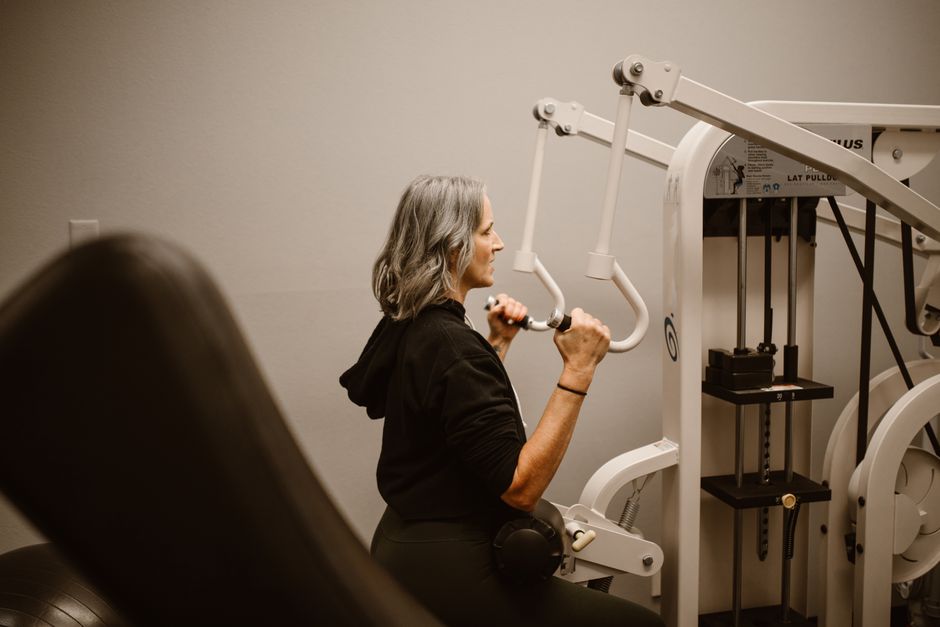
Exercise matters for a specific reason. Muscle tissue uses glucose more efficiently than fat tissue. Building muscle through resistance training improves insulin sensitivity. Even moderate activity like brisk walking for 30 minutes most days helps. The key is consistency, not intensity.
Stress management is often overlooked but clinically relevant. High cortisol levels worsen insulin resistance and increase androgen production. Practices like deep breathing, meditation, or simply taking time to rest can lower cortisol. This is not a cure, but it supports other treatments.
Sleep quality also affects hormone balance. Poor sleep increases cortisol and insulin resistance. Aim for 7 to 9 hours of quality sleep per night. If you have sleep apnea — which is more common in PCOS — treating it can improve metabolic outcomes.
Symptom-Specific Treatments for Hair and Skin
Hirsutism — excess facial or body hair — is one of the most distressing PCOS symptoms for many women. It does not resolve after hysterectomy. Treatment options include hair removal methods like laser therapy or electrolysis. These are cosmetic procedures that destroy hair follicles, and they work best when combined with anti-androgen medication to prevent new hair growth.
Acne can persist or worsen after hysterectomy. Topical treatments like benzoyl peroxide or salicylic acid help manage breakouts. Prescription options include retinoids or antibiotics. If acne is driven by high androgens, spironolactone or other anti-androgens may be more effective than topical treatments alone.
Hair thinning on the scalp is another common symptom. This is called female pattern hair loss, and it is linked to androgen activity. Minoxidil is the most studied treatment. It is applied directly to the scalp and can slow hair loss and promote regrowth. Results take at least 3 to 6 months to become visible.
These treatments address symptoms, not the underlying hormone imbalance. They work best as part of a broader plan that includes metabolic management.
Long-Term Health Risks to Monitor
PCOS increases the risk of several long-term health conditions. These risks remain after hysterectomy. Women with PCOS have higher rates of type 2 diabetes, high blood pressure, and abnormal cholesterol levels. Regular monitoring is essential.
Cardiovascular disease risk is elevated in PCOS. This is driven by insulin resistance, inflammation, and often obesity. After hysterectomy, you lose the protective effect of regular menstrual cycles, but the underlying metabolic risks remain. Annual blood pressure checks and lipid panels are recommended.
Endometrial cancer risk is different after hysterectomy. If your uterus was removed, you no longer have endometrial tissue, so this specific cancer risk is eliminated. However, if you kept your ovaries, the risk of ovarian cancer remains slightly elevated compared to women without PCOS.
Non-alcoholic fatty liver disease is more common in PCOS. This condition is linked to insulin resistance and can progress to liver damage if untreated. Liver function tests are part of routine monitoring for women with PCOS.
When to See a Specialist
Gynecologists are experts in surgery but may have limited experience with the metabolic aspects of PCOS. After a hysterectomy, you may benefit from seeing an endocrinologist. These specialists focus on hormone disorders and are better equipped to manage insulin resistance, androgen excess, and long-term metabolic risks.
You should seek medical advice if your symptoms are not improving with lifestyle changes alone. Persistent acne, worsening hair growth, or significant weight gain warrant a medical evaluation. Blood tests can measure testosterone, fasting glucose, and insulin levels to guide treatment.
Do not stop any prescribed medication without discussing it with your doctor. Some treatments like spironolactone require careful monitoring of kidney function and potassium levels. Metformin is generally safe but should be adjusted based on kidney function.
There is no single cure for PCOS after hysterectomy. Treatment is about managing symptoms and reducing long-term health risks. A combination of medication, lifestyle changes, and symptom-specific treatments offers the best outcomes.
How To Treat Pcos After A Hysterectomy
The treatment plan for PCOS after hysterectomy depends on whether you kept your ovaries. If you kept them, combined hormone therapy can regulate hormone levels. If your ovaries were removed, estrogen therapy manages menopause symptoms but does not directly treat PCOS. In both cases, insulin resistance management is the foundation of treatment.
Metformin, anti-androgen medications, and lifestyle changes are the main tools. Diet and exercise improve insulin sensitivity, which lowers androgen production. Symptom-specific treatments like laser hair removal, topical acne medications, and minoxidil address visible symptoms.
Work with an endocrinologist or a gynecologist experienced in PCOS management. Regular monitoring of blood sugar, cholesterol, and blood pressure is important. PCOS is a lifelong condition, but it is manageable with consistent treatment.
Frequently Asked Questions
Can PCOS go away after a hysterectomy?
No, a hysterectomy does not cure PCOS. The condition is metabolic and hormonal, and the ovaries or adrenal glands continue producing androgens after surgery.
Do I still need to treat PCOS if I no longer have a uterus?
Yes, because PCOS affects your metabolism, heart health, and hormone balance beyond the uterus. Insulin resistance and long-term disease risks remain after hysterectomy.
What is the best medication for PCOS after hysterectomy?
Metformin is the most commonly used medication for the metabolic aspects of PCOS. Anti-androgen drugs like spironolactone help with hair and skin symptoms.
Can I take birth control pills after a hysterectomy?
Yes, if you kept your ovaries, combined hormone therapy can help regulate androgen levels. If your ovaries were removed, estrogen therapy alone is typically used for menopause symptoms.
