
Nerve damage in the foot — peripheral neuropathy — is managed, not erased. No treatment currently reverses lost nerve fibers, but a combination of treating the underlying cause, prescription medications, physical therapy, foot care, and in some cases surgery can reduce pain and protect your feet from injury. The right mix depends on what caused the damage and what your symptoms look like.
What Does Nerve Damage In The Foot Actually Feel Like?
Symptoms usually start in the toes and move slowly toward the ankle and up the leg. This pattern — longest nerves affected first — is called a stocking-glove distribution, and it is one of the most recognizable features of peripheral neuropathy.
Common sensations include:
- Burning, tingling, or “pins and needles”
- Numbness or the feeling that your feet are wrapped in socks when they are not
- Sharp, stabbing, or electric-shock-like pain, often worse at night
- Extreme sensitivity to touch, even a bedsheet
- Loss of balance or a sensation of walking on sponges
- Muscle weakness or foot drop in advanced cases
Some people have numbness with little pain. Others have severe pain with no numbness. Both patterns are real neuropathy, and they require different management priorities. Numbness raises the risk of unnoticed injuries, blisters, and ulcers. Pain is what usually drives people to seek care.
A key point many people miss: symptom severity does not always match how much nerve damage exists. Someone with mild pain can have significant nerve loss on testing, and vice versa. That is one reason treatment is guided by both symptoms and clinical evaluation, not symptoms alone.
What Causes Nerve Damage In The Foot?
Diabetes is the most common cause in the United States. Chronically high blood sugar damages small blood vessels that supply nerves and alters nerve metabolism directly. Over time, this produces the classic diabetic peripheral neuropathy.
Other causes include:
- Alcohol use disorder, through direct nerve toxicity and nutritional deficiencies
- Vitamin B12 deficiency, sometimes from certain medications or restricted diets
- Chemotherapy drugs, which can cause a painful peripheral neuropathy
- Kidney disease, thyroid disorders, and liver disease
- HIV and some of its treatments
- Inherited conditions such as Charcot-Marie-Tooth disease
- Nerve compression, including tarsal tunnel syndrome and spinal nerve root problems
- Idiopathic causes, meaning no clear reason is found
Identifying the cause matters because some causes are treatable. Correcting a B12 deficiency, controlling blood sugar, or stopping an offending medication can halt progression. The damage already done may not reverse, but further loss can often be prevented.
How To Treat Nerve Damage In The Foot: All Options
Treatment falls into four broad categories: address the cause, manage pain with medication, use non-drug therapies, and protect the feet. Most people benefit from several at once.
Treating The Underlying Cause
When diabetes is the cause, tight blood sugar control is the foundation. Research consistently shows that intensive glucose control in people with diabetes reduces the risk of developing neuropathy and can slow its progression. This does not usually reverse existing damage, but it is the single most important step.
For B12 deficiency, supplementation can improve symptoms if the deficiency is corrected early enough. For alcohol-related neuropathy, stopping alcohol and correcting nutritional deficiencies is essential. For medication-induced neuropathy, your prescriber may adjust or stop the drug — never do this on your own.
Prescription Medications For Nerve Pain
No medication is approved by the FDA specifically for diabetic peripheral neuropathy, but several are used off-label and have reasonable evidence for nerve pain. These include certain antidepressants (such as duloxetine and amitriptyline) and certain anti-seizure drugs (such as gabapentin and pregabalin).
These medicines reduce pain signals. They do not repair nerves. Response varies widely — some people get substantial relief, others get little, and side effects like drowsiness or dizziness are common. Doses must be adjusted slowly by a clinician.
Opioids are generally not recommended for chronic neuropathy pain because of limited long-term benefit and real risks of dependence and tolerance.
Topical Treatments
Lidocaine patches or creams can dull pain in a specific area. Capsaicin cream, derived from chili peppers, depletes a pain-signaling substance in nerve endings and can help some people after consistent use. It causes a burning sensation at first, which many people cannot tolerate.
A prescription topical patch containing capsaicin is used in some clinical settings for painful neuropathy. Evidence for topical treatments is generally modest, and results vary.
Non-Drug Therapies
Physical therapy can improve balance, strength, and gait, which matters because neuropathy raises fall risk. Some studies suggest that exercise — including balance and strength training — reduces neuropathic pain and improves function, though the evidence is not uniform.
Other options with some supporting evidence include:
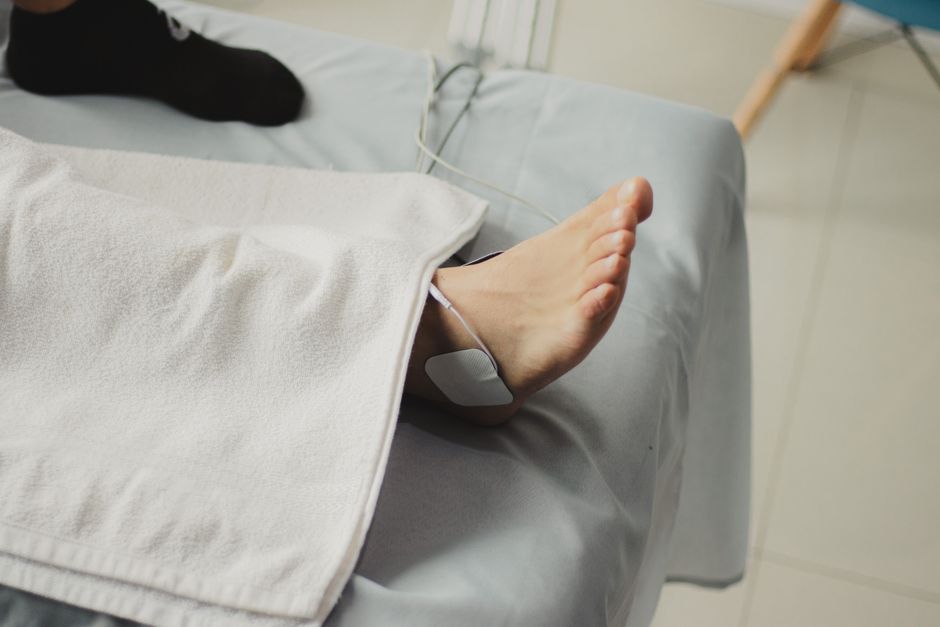
- Transcutaneous electrical nerve stimulation (TENS), which some people find helpful for pain
- Acupuncture, with mixed evidence but generally low risk when done by a qualified practitioner
- Cognitive behavioral therapy, which can help people cope with chronic pain and improve quality of life
- Mirror therapy and desensitization techniques in some rehabilitation programs
Evidence for these approaches is mixed. Some people get real benefit; others do not. They are generally used alongside, not instead of, medical treatment.
Surgery For Nerve Compression
When neuropathy is caused by a nerve being physically compressed — such as tarsal tunnel syndrome — surgery to release the pressure can help. This is a different situation from diabetes-related neuropathy, where the cause is metabolic rather than mechanical.
Some surgeons perform nerve decompression in diabetic patients with compressed nerves, but this remains debated. Results vary, and it is not considered a standard treatment for all diabetic neuropathy.





How Do You Protect Feet With Nerve Damage?
Foot protection is not optional when you have numbness. Loss of sensation means you can injure your feet without knowing it. A small blister or cut can become an ulcer, and ulcers can lead to infection and, in severe cases, amputation.
Practical steps:
- Inspect your feet daily, including between the toes and the soles. Use a mirror or ask for help if needed.
- Wear properly fitted shoes with enough room in the toe box. Avoid barefoot walking, even indoors.
- Never use heating pads, hot water bottles, or soak feet in hot water — you may not feel burns.
- Keep toenails trimmed straight across, and see a podiatrist for calluses or nail problems.
- Moisturize dry skin but avoid lotion between the toes, where moisture can cause fungal problems.
- See a foot specialist regularly. Clinical guidelines generally recommend at least annual foot exams for people with diabetes, and more often if problems exist.
These measures do not treat the nerve damage itself, but they prevent the complications that cause the most serious outcomes.
What About Supplements And Alternative Treatments?
This is where marketing often outruns evidence. Many products claim to “repair nerves” or “support nerve health.” Most have not been confirmed in large human trials.
Alpha-lipoic acid has been studied for diabetic neuropathy. Some trials suggest it may reduce symptoms, but results are inconsistent, and it is not established as a standard treatment. Benfotiamine, a form of vitamin B1, has some supporting research but is not proven to reverse neuropathy.
Vitamin B12 supplementation helps only if you are actually deficient. Taking it when levels are normal has not been shown to improve neuropathy.
Be cautious with:
- Products claiming to “cure” or “reverse” neuropathy — no supplement has been shown to do this
- High-dose vitamins without a documented deficiency
- Any treatment that asks you to stop prescribed medication
If you want to try a supplement, discuss it with your clinician first. Some can interact with medications or affect blood sugar.
Can Nerve Damage In The Foot Be Reversed?
For most causes, lost nerve fibers do not regrow fully. The honest position is that treatment aims to slow progression, reduce pain, and prevent complications — not to restore normal nerve function.
There are exceptions. If neuropathy is caused by a correctable deficiency, a medication, or a compressed nerve, treating the cause can lead to meaningful improvement. Early intervention gives the best chance of halting further damage.
Small nerve fibers have some capacity to regenerate, but this is limited and slow. Recovery, when it happens, is usually partial.
When Should You See A Doctor?
See a clinician if you notice numbness, burning, tingling, or weakness in your feet — especially if it is new, worsening, or affecting both feet. Early evaluation improves the chance of identifying a treatable cause.
Seek care promptly if you have diabetes and develop any foot wound, redness, swelling, or change in skin color. These can signal infection or a developing ulcer and need urgent attention.
Also seek care if you have sudden weakness, difficulty walking, or symptoms that spread quickly. These may indicate a different and more urgent problem.
Frequently Asked Questions
Can nerve damage in the foot heal on its own?
It can improve if the cause is corrected early, such as a vitamin deficiency or a compressed nerve. For most causes, especially long-standing diabetes, lost nerve fibers do not fully regenerate.
What is the most effective treatment for nerve pain in the feet?
There is no single most effective treatment; results vary by person. Prescription medications like duloxetine, gabapentin, or pregabalin are commonly used, often combined with foot care and physical therapy.
Do supplements like alpha-lipoic acid really help neuropathy?
Some studies suggest alpha-lipoic acid may reduce symptoms, but results are inconsistent and it is not established as standard treatment. No supplement has been shown to reverse nerve damage.
How often should someone with neuropathy check their feet?
Daily self-inspection is recommended, along with regular professional foot exams. Clinical guidelines generally advise at least annual foot exams for people with diabetes.
