
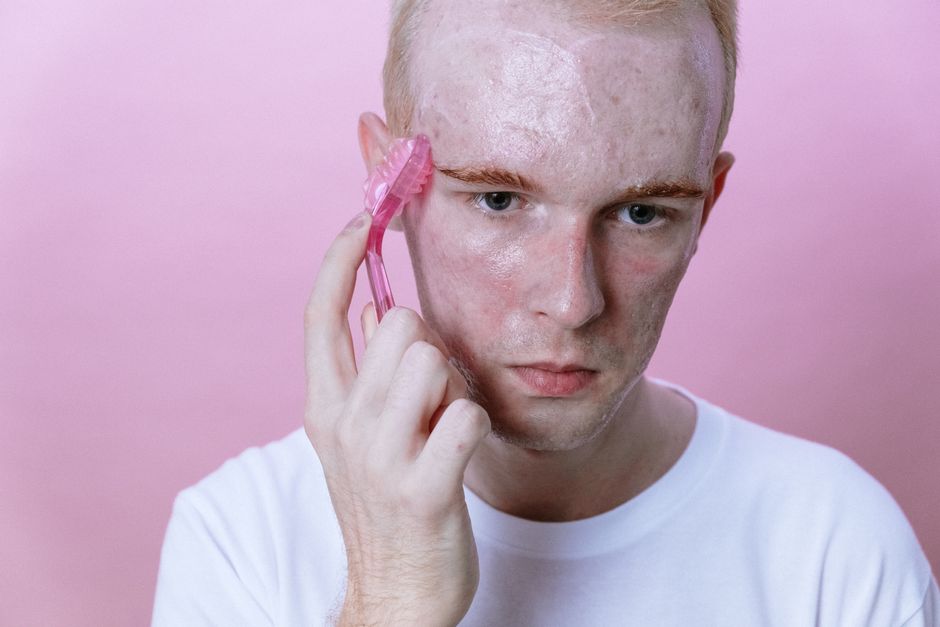
Menopausal acne is usually treated with the same topical ingredients used for other types of acne — benzoyl peroxide, salicylic acid, retinoids, and azelaic acid — plus a gentle skincare routine and, in some cases, prescription options. Hormone replacement therapy is not an acne treatment, and its effect on breakouts varies from person to person; some women notice improvement, others see no change or even worse acne. A dermatologist can help match treatment to your skin and your broader health picture.
Why Does Acne Show Up During Menopause?
Acne in midlife is common, and it is driven by hormones — just not the same way as teenage acne.
During perimenopause and menopause, estrogen levels fall. Androgens, including testosterone, do not fall at the same rate. The result is a shift in the balance between these hormones. Androgens stimulate sebum production in the sebaceous glands, and more sebum can mean more clogged pores and more inflammation.
This is why menopausal acne often looks different from teenage acne. It tends to cluster along the jawline, chin, and lower face. It is often deeper and more inflamed. It can also flare in cycles even when menstrual periods are irregular or have stopped.
There is another factor people rarely mention. Adult skin is thinner and drier than younger skin. Harsh acne products that worked at 20 can irritate and damage the skin barrier at 50, which can trigger more inflammation and more breakouts. That is why treatment for menopausal acne has to balance fighting the acne with protecting the skin.
Which Topical Treatments Actually Work?
The over-the-counter and prescription topicals with the strongest evidence for acne are the same ones used across age groups. The difference in menopause is how you use them — gentler, slower, and with more attention to dryness.
- Benzoyl peroxide kills acne bacteria and helps unclog pores. It is well established and widely available. It can be drying, so start with a lower concentration and use it on alternating days at first.
- Salicylic acid helps clear dead skin cells from pores. It is a common over-the-counter option and tends to be less irritating than stronger acids.
- Topical retinoids (such as tretinoin, adapalene, and tazarotene) are among the best-studied acne treatments. They help prevent clogged pores and reduce inflammation. They also increase sun sensitivity and can cause peeling at first, so they are usually started a few nights a week.
- Azelaic acid reduces inflammation and helps with both acne and post-acne marks. It tends to be well tolerated by sensitive skin.
A word of caution on retinoids: they are not recommended during pregnancy, and anyone who could become pregnant should discuss this with a clinician. This applies to some women in perimenopause who are still ovulating.
What does not have strong evidence? A long list of products marketed specifically for “menopausal acne” or “hormonal acne.” Many contain the same ingredients as standard acne products at higher prices. No clinical evidence currently confirms that these specialized formulas work better than established ingredients.
How Should You Build a Skincare Routine?
Less is more. A simple routine with a few proven products usually works better than a shelf full of treatments layered on top of each other.
A reasonable framework looks like this:
- Cleanse gently twice a day with a mild, non-foaming cleanser. Harsh scrubs and strong soaps strip the skin and worsen irritation.
- Use one active ingredient at a time until your skin adjusts. Stacking benzoyl peroxide, salicylic acid, and a retinoid all at once is a common cause of redness, peeling, and giving up too soon.
- Moisturize daily with a non-comedogenic moisturizer. Dry, irritated skin produces more inflammation, which can make acne look worse.
- Wear sunscreen every day. This matters more with retinoids and with age-related skin changes. Sun protection also helps prevent post-acne dark marks from getting darker.
Give any new routine several weeks before judging it. Acne treatments typically take time to show results, and retinoids in particular can cause a temporary adjustment period where skin looks worse before it improves.


Does Hormone Replacement Therapy Help or Hurt Acne?
The answer is genuinely mixed, and this is one of the most important things to understand before assuming HRT will fix your skin.
Hormone replacement therapy — usually estrogen combined with a progestin — is prescribed for menopausal symptoms such as hot flashes, night sweats, and vaginal dryness. It is not an acne treatment, and no major guideline recommends it for that purpose.
Some women notice their skin improves on HRT. Estrogen can reduce sebum production and may counteract some androgen effects. But this is not consistent, and it is not the reason HRT is prescribed.
There is also a real possibility of the opposite. Some progestins used in HRT have androgenic effects, meaning they can act like testosterone and potentially worsen acne in some women. The type of progestin matters, and responses vary. If you start HRT and notice your acne getting worse, that is worth raising with your clinician — there may be options to adjust the type or dose.
The evidence here is limited. No large trials have been designed specifically to measure HRT’s effect on acne, so most of what clinicians know comes from observation and the known hormonal mechanisms. That is honest context, not a reason to dismiss your experience.
When Should You See a Doctor?
See a dermatologist or your primary care clinician if acne is deep, painful, leaving scars, or not improving after several weeks of consistent over-the-counter treatment. Midlife acne can also sometimes be confused with other skin conditions, including rosacea, which looks similar but is treated differently.
Sudden, severe acne in midlife is also worth a medical look. In some cases, new or worsening acne can reflect an underlying hormonal issue, and a clinician can decide whether testing is appropriate.
Prescription options a clinician might consider include stronger topical retinoids, oral antibiotics for a limited course, or — in selected cases — hormonal treatments such as spironolactone, which reduces androgen effects. These are decisions that depend on your health history, blood pressure, and other medications, so they belong in a conversation with a clinician, not a self-treatment plan.
What Actually Makes Menopausal Acne Worse?
Several everyday factors can aggravate acne, and a few popular beliefs are worth correcting.
Heavy or occlusive makeup and skincare can clog pores. So can friction from helmets, tight collars, or resting your face on your hands. Stress and poor sleep do not cause acne directly, but they can affect hormones and skin healing.
Diet is often blamed more than the evidence supports. Some studies suggest high-glycemic diets may be linked to acne, but the evidence is not strong enough to present diet changes as a reliable acne treatment. No single food has been proven to cause or cure menopausal acne.
One myth worth naming: acne is not caused by poor hygiene. Scrubbing harder or washing more often does not clear it and often makes irritation worse. Acne is a hormonal and inflammatory condition, not a cleanliness problem.
Frequently Asked Questions
Can HRT cause acne?
It can in some women, particularly when the progestin used has androgenic effects. Responses vary widely, and adjusting the type or dose is sometimes an option worth discussing with your clinician.
What is the best treatment for hormonal acne after menopause?
There is no single best treatment — established topicals like benzoyl peroxide, retinoids, salicylic acid, and azelaic acid are the mainstays. A dermatologist can match the choice to your skin type and sensitivity.
Is menopausal acne the same as teenage acne?
No. It is driven by a shift in the estrogen-androgen balance and tends to appear along the jawline and chin, often deeper and more inflamed. Adult skin is also drier and thinner, so gentler products are usually needed.
How long does it take for acne treatments to work?
Most topical acne treatments take several weeks of consistent use before clear improvement, and retinoids can cause a temporary adjustment period. If there is no improvement after a few months, it is worth seeing a clinician.
