
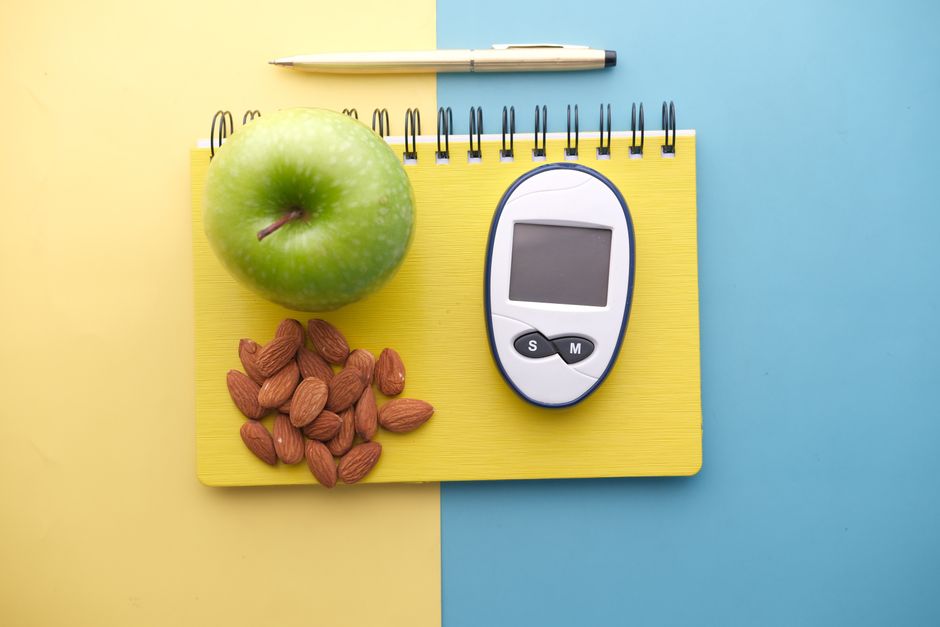
Low blood sugar feels terrible. You get shaky, sweaty, confused, and your heart races. The fastest way to fix it is the 15-15 rule. Eat 15 grams of fast-acting carbohydrate, wait 15 minutes, and check your blood sugar again. If it is still below 70 mg/dL, repeat the process. This simple method restores your blood sugar quickly and safely without causing a spike too high.
What Is the 15-15 Rule for Low Blood Sugar?
The 15-15 rule is the standard first-aid response for mild hypoglycemia. It is simple to remember and easy to follow. You consume exactly 15 grams of carbohydrate that your body can absorb quickly. Then you wait 15 minutes before checking your blood sugar again.
This approach works because fast-acting carbs enter your bloodstream quickly. They raise blood sugar within minutes. The 15-minute wait gives the sugar time to work before you decide if you need more.
The rule is designed for adults with diabetes who take insulin or certain oral medications. These are the people most at risk for low blood sugar. If you do not have diabetes and experience these symptoms, see a doctor to find out why.
How Many Grams of Sugar Do You Need for Hypoglycemia?
You need exactly 15 grams of fast-acting carbohydrate to treat mild low blood sugar. This is the amount that reliably raises blood sugar by about 30 to 40 mg/dL in most adults. That is enough to bring most people out of the danger zone without overshooting into high blood sugar.
Fast-acting means the body absorbs it quickly. Glucose tablets are the gold standard because they are pure sugar and work faster than any food. Four glucose tablets typically provide 15 grams. Check the label on your brand because tablet sizes vary.
Other options that provide about 15 grams include:
- Half a cup of orange juice or regular soda
- One tablespoon of honey or maple syrup
- Three to four teaspoons of sugar dissolved in water
- Six or seven hard candies
- One small fruit like a half banana or a small apple
These foods work because they are mostly simple sugars. Your body does not need to break them down much before they enter your bloodstream. That speed matters when your brain is running low on fuel.
What Foods Should You Avoid for Low Blood Sugar?
Not all carbohydrates treat low blood sugar equally. Foods that contain fat, protein, or fiber slow down digestion. That means the sugar takes longer to reach your bloodstream, which delays your recovery.
Chocolate bars, ice cream, and pastries are poor choices for treating hypoglycemia. They contain fat that slows sugar absorption. A candy bar with nuts is even worse because the protein and fat blunt the blood sugar response.
Whole grain bread, oatmeal, and brown rice are healthy foods in general, but they are wrong for treating an active low. Their complex carbohydrates take too long to break down. You need simple sugar that works in minutes, not complex carbs that work over hours.
Diet soda and sugar-free candy provide zero carbohydrate. They will not raise your blood sugar at all. If you treat a low with these, your blood sugar stays low and your symptoms continue.
The one exception is if you cannot eat solid food. Then use a liquid glucose source like juice or regular soda. These work just as fast as tablets in most people.




What To Do After 15 Minutes If Blood Sugar Is Still Low
Check your blood sugar after the full 15 minutes. Do not check earlier because the sugar needs time to work. If your reading is still below 70 mg/dL, repeat the rule. Take another 15 grams of fast-acting carbohydrate and wait another 15 minutes.
Most people need only one round of treatment. If you need a second round, that is normal and not a failure of the method. Some situations, like extra physical activity or too much insulin, require more carbohydrate to correct.
Once your blood sugar is back above 70 mg/dL, eat a small snack if your next meal is more than an hour away. Choose something with protein and complex carbohydrates, like crackers with peanut butter or a small sandwich. This snack helps keep your blood sugar stable and prevents another drop.
If your blood sugar stays low after three rounds of the 15-15 rule, seek medical help. This indicates the cause is more serious than simple miscalculation. You may need a glucagon injection or emergency medical care.
What If You Cannot Check Your Blood Sugar?
Sometimes you feel the symptoms of low blood sugar but you do not have your meter or continuous glucose monitor with you. In this situation, treat based on symptoms. The shaking, sweating, confusion, and rapid heartbeat are reliable warning signs for most people with diabetes.
Use the 15-15 rule anyway. Take 15 grams of fast-acting carbohydrate and wait 15 minutes. Pay attention to how you feel. If your symptoms improve, the treatment worked. If they do not improve after 15 minutes, take another 15 grams.
This approach is safe because the risk of a brief high blood sugar is far less dangerous than the risk of untreated low blood sugar. A single extra round of 15 grams will not cause harm even if your blood sugar was borderline normal to begin with.
If you are unconscious, having seizures, or cannot swallow, do not give anything by mouth. This is a medical emergency. Call emergency services immediately. Someone should administer glucagon if it is available and they are trained to use it.
How To Prevent Low Blood Sugar Before It Starts
Prevention is better than treatment. The 15-15 rule fixes the problem, but avoiding the problem altogether is the real goal. This starts with understanding why your blood sugar drops in the first place.
The most common causes are taking too much insulin, skipping meals, eating fewer carbohydrates than planned, or exercising more than usual. Alcohol can also cause delayed low blood sugar, especially several hours after drinking.
Check your blood sugar regularly, especially before driving, before exercise, and before bed. These are times when a low is most dangerous. A reading below 70 mg/dL at bedtime means you need a snack to get through the night safely.
Carry fast-acting glucose with you at all times. Keep glucose tablets in your car, your desk, and your bag. The 15-15 rule only works if you have the 15 grams available when you need them.
Some research suggests that very tight blood sugar control increases the frequency of lows. If you experience repeated hypoglycemia, talk to your doctor about adjusting your medication doses. Your target ranges may need to be adjusted to reduce your risk.
When Low Blood Sugar Is a Medical Emergency
Most low blood sugar responds to the 15-15 rule within one or two rounds. But some situations require immediate emergency care. Know the difference before you need to act.
Severe hypoglycemia means your brain does not have enough glucose to function properly. You may become confused, unable to speak, or lose consciousness. You may have a seizure. In these states, you cannot safely chew or swallow, so giving food or drink by mouth risks choking.
Emergency treatment requires glucagon. This is a hormone that tells your liver to release stored glucose into your bloodstream. It comes as an injection or a nasal powder. Family members should be trained to use it if you are at risk for severe lows.
Call emergency services if the person does not wake up within 15 minutes of receiving glucagon. Also call if glucagon is not available and the person is unconscious or seizing. Do not wait to see if they improve on their own.
After a severe episode, you need medical evaluation. The cause must be identified and your treatment plan adjusted to prevent another occurrence.
Frequently Asked Questions
How fast does the 15-15 rule work?
Most people feel better within 15 minutes of taking the first 15 grams of carbohydrate. Blood sugar typically rises within 10 to 15 minutes after consuming fast-acting sugar.
Can I use the 15-15 rule if I do not have diabetes?
No, the 15-15 rule is designed for people with diabetes who take insulin or certain medications. If you do not have diabetes and have low blood sugar symptoms, see a doctor to identify the cause.
What if my blood sugar is still low after two rounds of the 15-15 rule?
If your blood sugar remains below 70 mg/dL after two rounds, do a third round. If it still does not rise after three rounds, seek emergency medical help because this indicates a more serious problem.
Is juice or glucose tablets better for low blood sugar?
Glucose tablets work slightly faster because they are pure glucose with no other components. Juice also works well and is a good option if you do not have tablets available.
