
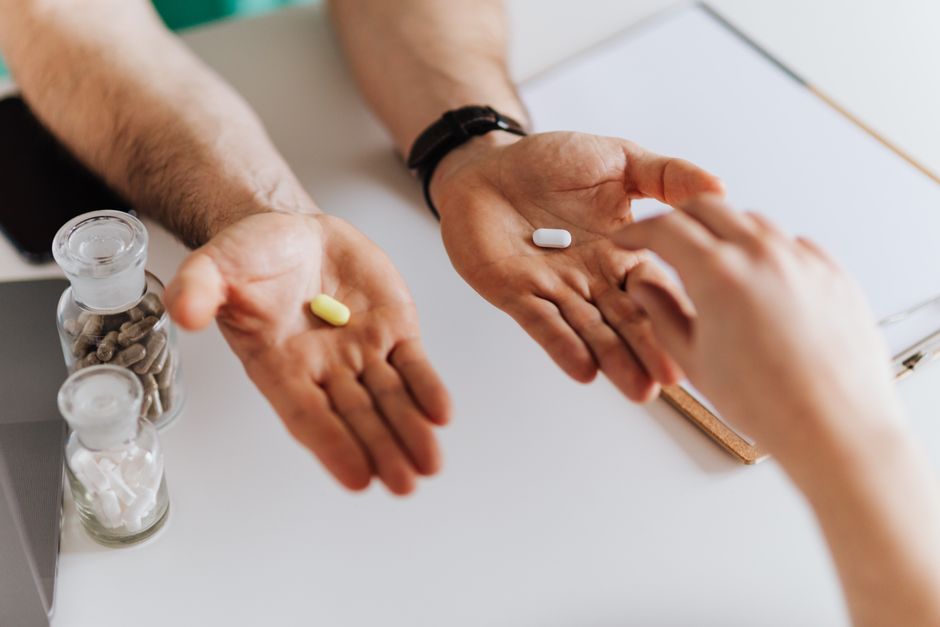
Hypervolemia means there is too much fluid in your bloodstream. Treatment depends on the cause, but it usually involves reducing sodium and fluid intake, using medications that help your kidneys remove excess fluid, and treating the underlying condition. Diet changes and careful monitoring are part of recovery, but they work alongside medical treatment, not instead of it.
What Is Hypervolemia and How Does It Differ From Edema?
Hypervolemia is an excess of fluid in the blood vessels. Edema is the swelling that happens when fluid leaks into tissues. They often occur together, but they are not the same thing.
Your body normally keeps fluid balance tight. The kidneys adjust how much water and sodium you excrete. Hormones like aldosterone and antidiuretic hormone signal when to hold onto fluid and when to release it. When something disrupts that system, fluid accumulates.
In hypervolemia, the extra fluid stays inside the vascular space. Blood volume rises. That puts more pressure on the heart and blood vessel walls. Over time, the heart may struggle to pump against the added volume, and fluid can back up into the lungs or legs.
Edema, by contrast, is fluid that has moved out of the vessels and into surrounding tissue. You can have edema without hypervolemia, and you can have hypervolemia before edema becomes visible. A person with early hypervolemia may have no swelling at all but still have dangerous fluid overload.
This distinction matters because treatments differ. Diuretics, for example, target excess vascular volume. Compression stockings and leg elevation address edema in the tissues. Treating one does not automatically fix the other.
What Causes Hypervolemia?
The most common causes are heart failure, kidney disease, and liver disease. Each disrupts fluid balance in a different way.
In heart failure, the heart cannot pump blood forward effectively. Blood backs up, and the kidneys sense reduced flow. They respond by retaining sodium and water, which makes the problem worse. This is a cycle that requires medical management.
Kidney disease impairs the kidneys’ ability to filter and excrete fluid. When filtration drops, sodium and water stay in the body. Even early kidney impairment can reduce the kidneys’ ability to handle a high-salt meal.
Liver disease, particularly cirrhosis, causes changes in blood flow and hormone levels that lead to fluid retention. Portal hypertension and low albumin levels contribute to fluid leaking into the abdomen and tissues.
Other causes include:
- Excess sodium intake in people with impaired fluid regulation
- Certain medications, including some steroids and nonsteroidal anti-inflammatory drugs
- Intravenous fluid administration in hospital settings
- Hormonal conditions affecting aldosterone or antidiuretic hormone
- Severe malnutrition or low protein levels
In many cases, more than one factor is at play. A person with heart failure who eats a high-sodium meal may tip into fluid overload quickly. Understanding the specific cause guides treatment.
How To Treat Hypervolemia Options Diet And Recovery
Treatment has three main parts: removing excess fluid, limiting what makes it worse, and addressing the root cause. No single approach works alone.
Medications
Diuretics are the primary medication for hypervolemia. They work by making the kidneys excrete more sodium and water. Common types include loop diuretics, thiazide diuretics, and potassium-sparing diuretics. Each acts on a different part of the kidney.
Loop diuretics are often used when fluid overload is significant. They are powerful but can cause electrolyte imbalances, especially low potassium and low sodium. Blood tests are needed to monitor levels.
Thiazide diuretics are milder and sometimes used for mild fluid retention or high blood pressure. Potassium-sparing diuretics help retain potassium but are weaker on their own.
Some people also receive aldosterone antagonists, which block a hormone that promotes sodium retention. These are used in heart failure and liver disease but require monitoring of potassium and kidney function.
Diuretics are not a permanent fix for everyone. They manage the symptom while the underlying condition is treated. Some people need them long term. Others may reduce or stop them if the cause resolves.
Diet Changes
Sodium restriction is the most important dietary change. Sodium makes the body hold water. Reducing sodium intake helps diuretics work better and can reduce the amount of medication needed.
General guidance for people with fluid retention is to limit sodium to 1,500 to 2,000 milligrams per day. This is a common clinical recommendation, though individual targets may vary based on the condition and the clinician’s judgment. The average American diet contains far more sodium than this, mostly from processed and restaurant foods.
Practical steps include:
- Reading nutrition labels and choosing items with lower sodium per serving
- Cooking at home with fresh ingredients instead of processed foods
- Limiting canned soups, frozen dinners, deli meats, and salty snacks
- Using herbs, spices, and citrus instead of salt for flavor
- Being cautious with condiments like soy sauce, ketchup, and salad dressings
Fluid restriction may also be recommended. This is common in advanced heart failure or kidney disease. A typical limit is 1.5 to 2 liters per day, but this varies. Some people need tighter limits. Others do not need restriction at all. Only a clinician can set a safe fluid target for a specific person.
Potassium intake deserves attention. Some diuretics lower potassium. Others raise it. Foods high in potassium include bananas, potatoes, spinach, and beans. Whether to increase or limit these foods depends on which medication you take and your kidney function. Do not change potassium intake without guidance.
Protein intake matters in some conditions. In liver disease with low albumin, adequate protein is important. In advanced kidney disease, protein may need to be moderated. These are individualized decisions.
Monitoring and Self-Care
Daily weight monitoring is a practical way to track fluid status. Weight gain of 2 to 3 pounds in a day or 5 pounds in a week can signal fluid retention. This is a widely used clinical guideline, though exact thresholds may vary by provider.
Other monitoring includes:
- Checking for new or worsening swelling in the legs, ankles, or abdomen
- Noting shortness of breath, especially when lying flat
- Tracking blood pressure as directed
- Keeping lab appointments for electrolyte and kidney function checks
Call your healthcare provider if you notice rapid weight gain, worsening breathing, or swelling that does not improve. These can be signs that fluid overload is getting worse.
What Is the Recovery Process Like?
Recovery depends on the cause. If hypervolemia is from a temporary issue like intravenous fluids or a short course of a medication, it may resolve quickly once the trigger is removed.
If it is from chronic heart, kidney, or liver disease, recovery is ongoing. Fluid balance becomes something you manage daily, similar to managing blood pressure or blood sugar. It is not a one-time fix.
In a hospital setting, treatment may involve intravenous diuretics and close monitoring. Some people need more intensive treatment, such as ultrafiltration, which uses a machine to remove fluid directly from the blood. This is reserved for cases where diuretics are not working well enough or are causing problems.
After the acute phase, the focus shifts to maintenance. That means staying on medications as prescribed, following diet guidelines, and keeping follow-up appointments. It also means watching for signs that fluid is building up again.
Some people recover fully. Others manage hypervolemia as a chronic condition. The difference usually comes down to the underlying cause and how well it can be treated.
What Happens If Hypervolemia Is Not Treated?
Untreated hypervolemia can lead to serious complications. The heart has to work harder to pump the extra volume. Over time, this can worsen heart failure.
Fluid can back up into the lungs, causing pulmonary edema. This is a medical emergency. Symptoms include severe shortness of breath, difficulty breathing when lying down, and a feeling of suffocation.
Other complications include:
- High blood pressure that is difficult to control
- Kidney damage from increased pressure and reduced filtration
- Liver congestion and worsening liver function
- Swelling that limits mobility and increases risk of skin breakdown
Hypervolemia is not something to manage on your own with diet alone. If you have a condition that affects fluid balance, work with your healthcare team. They can help you set safe targets for sodium, fluid, and weight monitoring.
Can Diet Alone Treat Hypervolemia?
No. Diet is important, but it is not a standalone treatment for hypervolemia. Sodium restriction helps, but it does not remove fluid that is already in the body. Diuretics or other medical treatments are usually needed to do that.
Diet works best as part of a broader plan. It can reduce the amount of medication needed and help prevent fluid from building up again. But it does not replace medical care.
Think of it this way: diet controls the input. Medications help the body get rid of what is already there. Both are needed for most people.
Frequently Asked Questions
What is the fastest way to get rid of excess fluid?
Diuretics are the fastest medical treatment for excess fluid. They work within hours to days, depending on the type and dose. Diet changes alone are much slower and cannot remove fluid already in the body.
How much sodium should I eat if I have hypervolemia?
Most clinical guidelines recommend limiting sodium to 1,500 to 2,000 milligrams per day for people with fluid retention. Your specific target may be different based on your condition and your healthcare provider’s advice.
Can drinking more water help with hypervolemia?
No. Drinking more water adds to the fluid your body is already retaining. In fact, many people with hypervolemia are advised to limit fluids. Follow your provider’s guidance on how much to drink.
How long does it take to recover from hypervolemia?
Recovery time depends on the cause. If it is from a temporary trigger, it may resolve within days. If it is from chronic heart, kidney, or liver disease, managing fluid balance becomes an ongoing process rather than a one-time recovery.
