
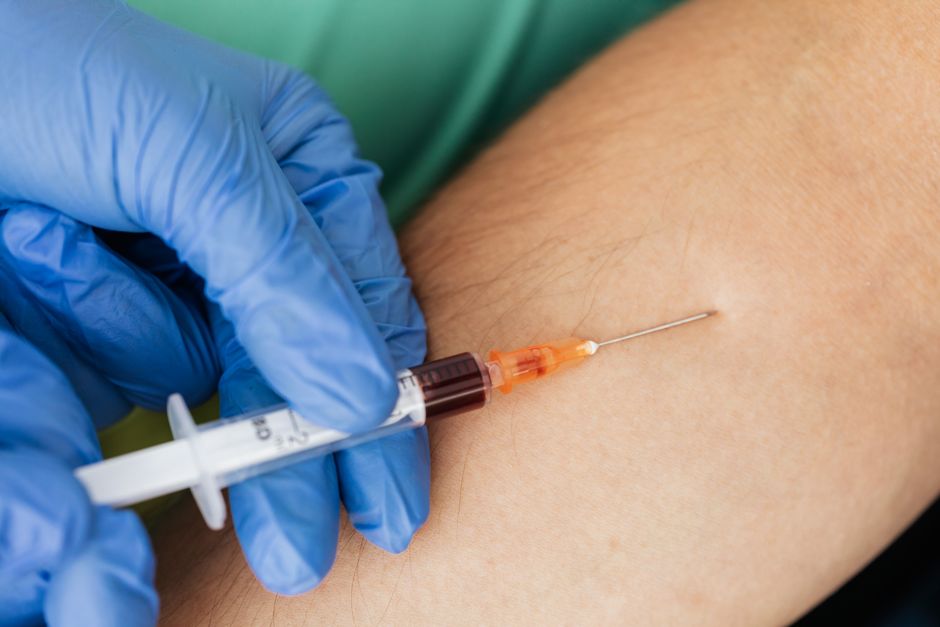
Hemochromatosis is treated by removing the extra iron from your body, and the standard first-line method is phlebotomy — regularly drawing off blood, much like a blood donation. Diet changes can slow iron buildup but cannot treat the condition on their own. Most people with hereditary hemochromatosis who are diagnosed before organs are damaged can live a normal lifespan with ongoing treatment.
What Is Hemochromatosis and Why Does Iron Need to Be Removed?
Hereditary hemochromatosis is an inherited disorder in which the body absorbs too much iron from food. The most common form is caused by mutations in the HFE gene, and it is one of the most common genetic conditions in people of Northern European descent.
Your body has no active way to get rid of excess iron. It loses small amounts through shedding skin cells, sweat, and menstrual bleeding, but there is no mechanism to dump iron on demand. When absorption outpaces loss, iron accumulates. Over years, it gets deposited in the liver, heart, pancreas, joints, and skin.
That is why treatment is mechanical rather than a pill. The goal is to physically remove iron faster than the body takes it in. Left untreated, iron overload can lead to liver scarring, liver cancer, diabetes, heart rhythm problems, and heart failure. Early treatment prevents most of this damage. Damage that has already occurred to the liver or heart may be partly or largely reversible, but joint damage and some organ effects often are not.
One detail people often miss: many people with the genetic mutation never develop significant iron overload. Having the gene and having the disease are not the same thing. That is why genetic testing alone does not decide treatment — iron levels do.
How To Treat Hemochromatosis: Phlebotomy, Diet And More
Phlebotomy is the primary treatment for hereditary hemochromatosis, and for most people it is the only treatment needed. The approach has two phases.
The induction phase
Treatment starts with frequent blood removal to bring iron stores down to a safe level. This typically means removing about 500 mL of blood — roughly one unit, similar to a blood donation — once or twice a week. Each unit removes a meaningful amount of iron, but the exact number varies by person.
Your doctor tracks progress using ferritin, a blood protein that reflects stored iron. The target for the induction phase is generally a ferritin level in the low normal range. How long induction takes depends on how much iron you started with — it can range from a few months to well over a year.
The maintenance phase
Once ferritin is down, treatment shifts to maintenance. Blood is removed less often — commonly every two to four months for many patients — to keep ferritin in a healthy range. This continues for life. Ferritin is checked periodically to adjust the schedule.
Phlebotomy is well tolerated by most people. Side effects can include tiredness, temporary low blood pressure, and bruising at the needle site. If you have anemia or certain heart conditions, your doctor may choose a different approach.
What Happens If Phlebotomy Is Not an Option?
Some people cannot have frequent blood draws — for example, those with severe anemia, poor veins, or certain heart problems. In those cases, iron chelation therapy is used. Chelating drugs bind iron in the body so it can be excreted in urine or stool.
Chelation is effective but more burdensome than phlebotomy. It may require infusions or daily pills, and it carries its own side effects. It is generally reserved for people who cannot tolerate phlebotomy or who need faster iron removal in specific situations.
Some clinicians also recommend avoiding vitamin C supplements in high doses, because vitamin C increases iron absorption. This is a reasonable precaution, but it is not a substitute for iron removal. Do not stop any prescribed medication without talking to your doctor.
Does Diet Really Matter in Hemochromatosis?
Diet matters, but it is a supporting measure, not a treatment. No diet removes stored iron. What diet can do is reduce how much new iron you absorb, which makes phlebotomy easier and less frequent for some people.
Two forms of iron exist in food, and they behave differently:
- Heme iron comes from animal sources — red meat, poultry, fish. It is absorbed efficiently, and it is the form most worth limiting.
- Non-heme iron comes from plants — beans, spinach, fortified cereals. It is absorbed less efficiently, and its absorption is strongly affected by what else you eat.
Practical steps that are widely recommended:
- Limit red meat and organ meats, which are highest in heme iron.
- Avoid iron supplements and multivitamins that contain iron unless a doctor specifically prescribes them.
- Avoid raw shellfish. People with iron overload are more vulnerable to certain bacterial infections, and raw shellfish is a known risk.
- Limit alcohol, especially if your liver is affected. Alcohol increases iron absorption and adds its own strain on the liver.
- Tea and coffee with meals reduce iron absorption. This is a modest effect, not a cure, but it is harmless.
- Calcium also reduces iron absorption when eaten with meals.
Do not cut iron from your diet entirely. Your body still needs iron for red blood cells and normal function, and severe restriction is not necessary or helpful. The goal is moderation, not elimination.
Can You Manage Hemochromatosis Without Treatment?
No. Hereditary hemochromatosis does not resolve on its own, and diet alone does not remove stored iron. Without treatment, iron continues to accumulate, and organ damage progresses silently for years before symptoms appear.
This is the part many people underestimate. Symptoms often do not show up until iron stores are already high and damage has begun. Fatigue, joint pain, and skin bronzing are common early signs, but they are easy to attribute to other causes. By the time diabetes or liver problems appear, significant damage may already exist.
Treatment changes the trajectory. People treated before organ damage develops generally have a normal life expectancy. People treated after damage has occurred can still benefit, but some effects — particularly joint damage and cirrhosis — may not fully reverse. This is why early detection matters so much.
How Is Hemochromatosis Monitored Over Time?
Monitoring is a lifelong part of treatment, not a one-time check. The main tools are blood tests.
Ferritin is the primary marker used to guide phlebotomy frequency and confirm that iron stores stay in a safe range. Transferrin saturation — a measure of how much iron is bound to its carrier protein — is used for diagnosis and is often checked periodically. Liver function tests are monitored because the liver is a primary site of iron storage and damage.
Your doctor may also recommend imaging of the liver, and in some cases a liver biopsy, if liver damage is suspected. People with advanced liver scarring need ongoing liver cancer screening, because cirrhosis raises that risk.
How often you are monitored depends on your stability. Someone in maintenance with steady ferritin levels may need checks only a few times a year. Someone in induction or with organ involvement needs closer follow-up.
What Should You Ask Your Doctor?
Bring specific questions to your appointments. Useful ones include:
- What is my current ferritin level, and what is my target?
- Am I in the induction phase or maintenance phase?
- Has my liver been assessed for damage?
- Do I need screening for diabetes or heart problems related to iron overload?
- Should my family members be tested?
That last question matters. Hereditary hemochromatosis is inherited, and first-degree relatives — parents, siblings, children — have a higher chance of carrying the same mutations. Testing them can catch the condition before iron builds up. This is one of the clearest cases where family screening genuinely changes outcomes.
Frequently Asked Questions
Can hemochromatosis be cured?
No, hereditary hemochromatosis cannot be cured, but it can be controlled with ongoing phlebotomy. Treatment keeps iron levels in a safe range and prevents most complications when started early.
How often do you need phlebotomy for hemochromatosis?
During the initial phase, blood is usually removed once or twice a week until ferritin reaches a low normal level. After that, maintenance phlebotomy is typically needed every two to four months for life.
Does diet alone treat hemochromatosis?
No. Diet can reduce how much new iron you absorb, but it does not remove iron already stored in your organs. Phlebotomy remains the primary treatment.
Is coffee good for hemochromatosis?
Coffee and tea drunk with meals modestly reduce iron absorption, which may be helpful as a supporting habit. Neither replaces phlebotomy or lowers stored iron on its own.
