
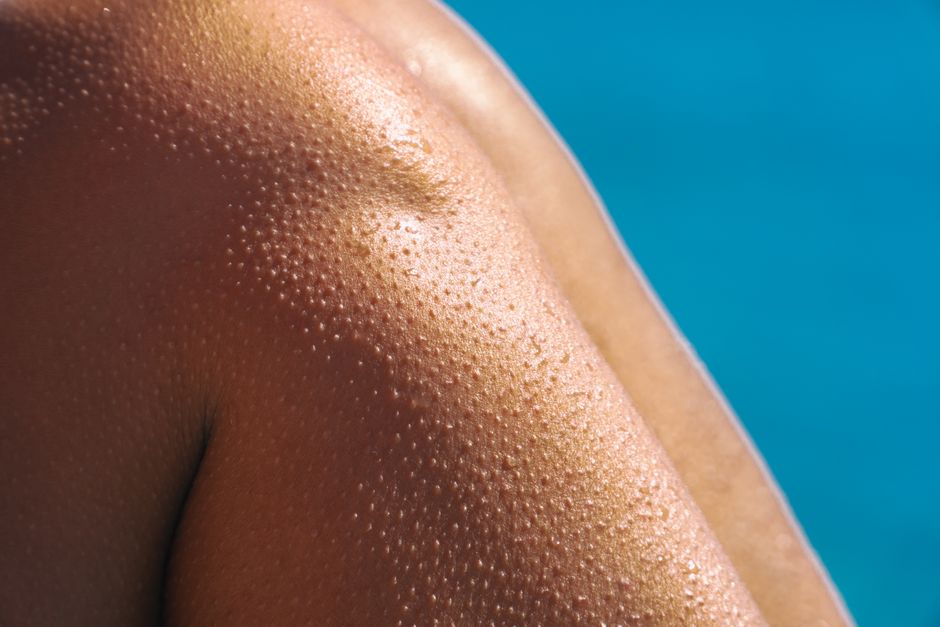
Heat bumps — the itchy, prickly rash that shows up when sweat gets trapped in your skin — usually clear up on their own within a few days once you cool down and keep the area dry. The fastest relief comes from getting out of the heat, loosening or removing tight clothing, and cooling the skin gently with a damp cloth or a lukewarm-to-cool shower. Powders and calm, airy environments help, but harsh scrubbing and heavy creams can make things worse.
That is the short version. The rest of this article explains what is actually happening under your skin, why some cooling methods work and others backfire, and when a rash that looks like heat bumps might be something else that needs a doctor.
What Are Heat Bumps, Exactly?
Heat bumps are a condition doctors call miliaria. They form when sweat ducts — the tiny channels that carry sweat from glands deep in your skin to the surface — get blocked. Sweat keeps being produced, but it cannot escape. It leaks into the surrounding skin and triggers inflammation, which is what you feel as itching, stinging, or a prickly sensation.
There are a few types, and they look different:
- Miliaria crystallina — clear, tiny, fragile blisters that sit on the very top layer of skin. They are not usually itchy and tend to appear in people who have been in hot, humid conditions or who are on bed rest.
- Miliaria rubra — the classic “heat rash.” Small red bumps with an itchy or prickly feeling. This is the most common type in adults.
- Miliaria profunda — firm, flesh-colored bumps that form deeper in the skin. This type is less common and usually happens after repeated episodes of the other types.
Heat bumps can appear anywhere, but they favor skin folds and areas where clothing traps moisture — the neck, chest, back, armpits, groin, and elbow creases. Babies get them often because their sweat ducts are still developing, but adults get them too, especially in humid climates or during intense physical activity.
Why Do Some People Get Heat Bumps More Easily?
Anyone can get heat bumps, but certain conditions make blocked sweat ducts more likely. Newborns are especially prone because their sweat glands are not fully mature. People who are overweight or obese may develop them more often because skin folds trap moisture and heat. So can people who are bedridden, wearing heavy protective gear, or taking medications that affect sweating.
Hot, humid weather is the biggest trigger. When the air is already saturated with moisture, sweat evaporates more slowly, and the skin stays wet longer. That creates the conditions for ducts to plug.
Some research also points to a bacterium called Staphylococcus epidermidis and the sticky biofilm it produces as a factor in blocking sweat ducts. This is an area of ongoing study, not a settled explanation, but it helps explain why heat bumps sometimes recur in the same spots.
How To Treat Heat Bumps: Cooling Tips That Work
The core treatment is simple and well established: stop the sweating, cool the skin, and keep it dry. Everything else supports those three steps.
Get out of the heat. Move to an air-conditioned room or a shaded, breezy spot. This is the single most important step. If you stay in the heat, nothing else will help much.
Take off or loosen tight clothing. Sweat needs to evaporate. Remove anything that traps moisture against your skin — synthetic fabrics, tight waistbands, heavy backpacks. Loose cotton or moisture-wicking clothing is better.
Cool the skin gently. A cool — not ice-cold — shower or a damp cloth applied to the area can calm the itch and reduce inflammation. Pat the skin dry afterward. Do not rub.
Let the skin air-dry. After cooling, give the area time to breathe. Avoid immediately covering it with heavy lotions or occlusive ointments, which can block sweat ducts further and make things worse.
Use a light dusting powder if it helps. Some people find that a simple talc-free powder or cornstarch-based powder reduces friction and moisture. Evidence for powders specifically is limited, but they are widely used and generally low risk. Avoid powders on broken or oozing skin.
Try calamine lotion for itch. Calamine is a traditional remedy for mild itching. It is not a cure, but it can take the edge off the prickly feeling. Some clinicians recommend it; strong trial evidence for heat bumps specifically is limited.
Consider an over-the-counter hydrocortisone cream for stubborn itch. A low-strength hydrocortisone cream may reduce inflammation in itchy cases. Use it only as directed and for short periods. If the rash does not improve in a few days, stop and see a doctor.
Avoid antibiotic or antifungal creams unless a doctor recommends them. Heat bumps are not an infection in most cases. Using these creams unnecessarily can cause irritation or resistance.


What Makes Heat Bumps Worse?
Several common responses backfire. Scrubbing the skin, using harsh soaps, or exfoliating can irritate already inflamed ducts and slow healing. Heavy ointments, thick creams, and occlusive sunscreens trap sweat and can worsen blockage. Hot showers and saunas keep the skin hot and sweaty.
Tight, non-breathing fabrics — nylon, polyester, heavy denim — hold moisture against the skin. So does wearing a hat, helmet, or backpack for long periods without a break.
One less obvious factor: staying sedentary in a hot room. If you sit still in a warm environment, sweat sits on your skin instead of evaporating. Moving to a cooler space, even for a short time, helps more than most creams.
When Should You See a Doctor?
Most heat bumps clear up within a few days with cooling and dryness. See a doctor if:
- The rash lasts more than a few days despite cooling measures.
- Bumps become painful, swollen, or filled with pus.
- You develop a fever or the area feels hot to the touch.
- The rash spreads rapidly or covers a large area.
- You have a weakened immune system or a chronic skin condition.
These signs can point to a skin infection, which needs medical treatment. Heat bumps themselves are not dangerous, but an infected rash can be.
How Can You Prevent Heat Bumps?
Prevention follows the same logic as treatment. Keep the skin cool and dry. Wear loose, breathable clothing in hot weather. Take breaks in air-conditioned or shaded areas during exercise or outdoor work. Shower after sweating heavily and pat dry. Avoid heavy moisturizers in hot weather.
If you are prone to heat bumps, a lightweight moisture-wicking base layer can help during activity. Change out of wet clothes promptly. For babies, keep them in cool, loose clothing and avoid over-bundling.
There is no vaccine or medication that prevents heat bumps. The evidence for any specific preventive product is limited. Simple cooling and dryness remain the most reliable approach.
Do Home Remedies for Heat Bumps Actually Work?
Some do, some do not. Cool compresses and cool showers have a clear physiological basis — they lower skin temperature and reduce sweat production. Oatmeal baths may soothe itching, though evidence specific to heat bumps is thin. Aloe vera gel can feel cooling, but some people react to it, so test a small area first.
Things that do not have good evidence: apple cider vinegar, baking soda pastes, essential oils, and “detox” products. Some of these can irritate the skin or cause allergic reactions. There is no clinical evidence that they treat heat bumps.
If a remedy makes the rash worse, stop using it. That is not a sign you need to push through — it is a sign your skin is reacting.
Frequently Asked Questions
How long do heat bumps last?
Most heat bumps clear up within a few days once you cool down and keep the skin dry. If they last longer than a few days or get worse, see a doctor.
Can I pop heat bumps?
No. Popping or squeezing heat bumps can break the skin and lead to infection. Let them heal on their own.
What is the fastest way to get rid of heat bumps?
Get out of the heat, remove tight clothing, and cool the skin with a cool shower or damp cloth. This is the most reliable approach and works faster than any cream.
Are heat bumps contagious?
No. Heat bumps are not an infection and cannot spread from person to person. They are caused by blocked sweat ducts in your own skin.
