

Hair breakage is short strands that snap along the length of the hair, not at the root. You treat it by stopping the damage first — less heat, gentler handling, no tight styles — then supporting the hair you have with conditioner and, in some cases, protein or moisture treatments matched to what your hair actually needs. Breakage is not the same as shedding, and knowing which one you have changes what you do next.
Most people assume hair loss means hair falling out at the scalp. Often it does not. If you find short broken pieces in your brush, on your pillow, or in the shower, the problem is happening along the hair shaft. That distinction matters because the fixes are different.
How Can You Tell If It’s Breakage or Shedding?
Breakage produces short pieces of hair. Shedding produces full-length strands with a tiny white bulb at one end.
That bulb is the root sheath. When a hair completes its growth cycle and falls out naturally, it usually comes away with that small white tip attached. A broken hair has no bulb — it is just a fragment, often an inch or two long, sometimes with a frayed or split end.
Here is a simple way to check. Gather a small section of hair and run your fingers from root to tip. Broken hairs feel rough and uneven. You may also notice shorter pieces sticking up along your part or around your crown — sometimes called “flyaways” that do not behave like the rest of your hair.
A rough estimate: if most of the hair you are losing is short fragments, breakage is the main issue. If you are seeing full-length strands with bulbs, that is shedding, which has different causes — including stress, thyroid problems, iron deficiency, hormonal changes, and certain medications. Shedding that is heavy or persistent deserves a medical conversation, not a new conditioner.
What Actually Causes Hair to Break?
Hair breakage almost always comes down to damage to the hair shaft. Hair is not living tissue once it leaves the follicle. It cannot repair itself. Every insult adds up.
The most common contributors:
- Heat styling. Flat irons, curling wands, and hot blow dryers can cause what researchers call “bubble hair” — tiny cavities inside the shaft where water boils, weakening the fiber. Repeated high heat makes hair brittle.
- Chemical processing. Bleach, permanent dye, relaxers, and repeated keratin treatments alter the protein structure of hair. Overlapping these treatments is a common route to serious breakage.
- Mechanical stress. Tight ponytails, buns, braids, and extensions pull on the hair. Wet hair is more fragile and stretches more easily, so brushing it while wet causes more snapping.
- Friction. Rough towel drying, cotton pillowcases, and aggressive detangling all contribute.
- Environmental and structural wear. Sun exposure, chlorine, and the natural aging of hair all reduce its strength over time.
One thing people often miss: hair that is very dry and hair that has too much protein can both feel brittle and break. They are not the same problem, and treating one like the other can make it worse.
How To Treat Hair Breakage at Home
The single most effective step is to remove the cause. No product repairs a hair shaft that is still being heat-damaged or chemically stressed every week.
Start with heat. Give hot tools a break, or at minimum use the lowest effective setting and a heat protectant. Research on heat protectants is limited, but the products are designed to reduce thermal damage, and using them is reasonable. There is no established “safe” temperature that applies to everyone — hair type and condition vary — so treat high heat as a risk to reduce, not a setting to optimize.
Change how you handle wet hair. Detangle with a wide-tooth comb and conditioner in it, working from the ends up. Do not rip through knots. Pat hair dry with a soft towel or an old cotton T-shirt instead of rubbing.
Loosen your styles. Ponytails, braids, and buns should not pull at the scalp or leave you with a headache. Constant tension in the same spot can cause breakage and, over time, a type of hair loss called traction alopecia. Vary where you part and how you pull hair back.
Trim split ends. A split end will not heal, and it can travel up the shaft. Regular trims remove damage before it spreads. The right interval depends on your hair — every six to eight weeks is a common recommendation, but there is no universal rule.

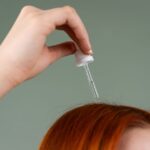

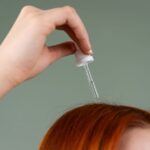

Do Protein and Moisture Treatments Really Help?
They can help, but only when matched to your hair’s actual condition. Using the wrong one is a common reason people feel treatments “stop working.”
Hair is mostly a protein called keratin. Damaged hair can lose protein and become porous, which makes it feel rough and break easily. Protein treatments temporarily fill gaps in the shaft and can make hair feel stronger. But hair that is already overloaded with protein becomes stiff, straw-like, and prone to snapping. Signs include hair that feels brittle even when wet and breaks with little resistance.
Moisture treatments — conditioners, masks, and oils — help hair hold water and feel softer and more flexible. Dry, porous hair usually benefits. Hair that is over-moisturized can feel mushy and limp and stretch too easily when wet.
The practical approach: notice whether your hair feels stiff and brittle (lean toward moisture) or soft and stretchy (lean toward protein). Alternate as needed rather than using the same treatment every wash. There is no clinical guideline that tells you exactly how often to do either — this is a matter of matching products to how your hair responds.
When Should You See a Doctor About Hair Breakage?
See a doctor if you are losing hair in patches, if your scalp is itchy, red, or scaly, or if shedding is heavy and does not improve over several months. These point to causes that products cannot fix.
Some medical conditions affect hair strength and growth directly. Thyroid disorders, iron deficiency, and certain nutritional deficiencies can make hair brittle or cause shedding. So can some medications. A doctor can run tests and identify whether an underlying issue is involved.
Breakage concentrated in one area — especially along the hairline or where you wear tight styles — can signal traction alopecia. Caught early, it is often reversible by changing styling habits. Left too long, the hair loss can become permanent. That is one reason not to dismiss persistent breakage as purely cosmetic.
Sudden, widespread breakage after a chemical treatment is also worth professional attention. A stylist or dermatologist can assess the damage and advise on whether to cut back or grow out.
What Habits Protect Hair From Breaking?
Prevention is mostly about reducing cumulative stress. Small habits add up over months.
- Let hair air-dry when you can, and avoid going to bed with wet hair.
- Use a silk or satin pillowcase to reduce friction overnight.
- Space out chemical treatments and never overlap bleach with a fresh relaxer.
- Wear a loose braid or use a silk scarf for sleeping if your hair tangles easily.
- Protect hair from sun and chlorine with a hat or rinse after swimming.
- Eat a balanced diet — hair growth depends on adequate protein, iron, and other nutrients, though supplements only help if you are actually deficient.
One clarification worth keeping in mind: no shampoo, serum, or supplement can “repair” hair that is already broken. Products can improve how hair feels and reduce further damage, but the only true fix for a damaged shaft is time and, eventually, a trim. That is not a failure of any product — it is simply how hair biology works.
Frequently Asked Questions
How do I stop my hair from breaking so much?
Reduce the causes first — less heat, gentler handling of wet hair, and looser styles — then use conditioner and matched treatments to support the hair you have. No product can repair a shaft that is still being damaged.
Does cutting hair make it grow faster?
No. Trimming removes split ends and can make hair look healthier, but it does not change how fast hair grows from the scalp.
Can hair breakage be reversed?
Broken hair cannot be reattached or repaired, but you can stop further breakage and let new growth replace it over time. Trimming damaged ends helps prevent splits from traveling up the shaft.
Is hair breakage a sign of a vitamin deficiency?
Sometimes. Iron deficiency and certain nutritional deficiencies can affect hair strength and growth, but breakage is more often caused by physical and chemical damage. A doctor can test for deficiencies if other causes do not explain it.
