
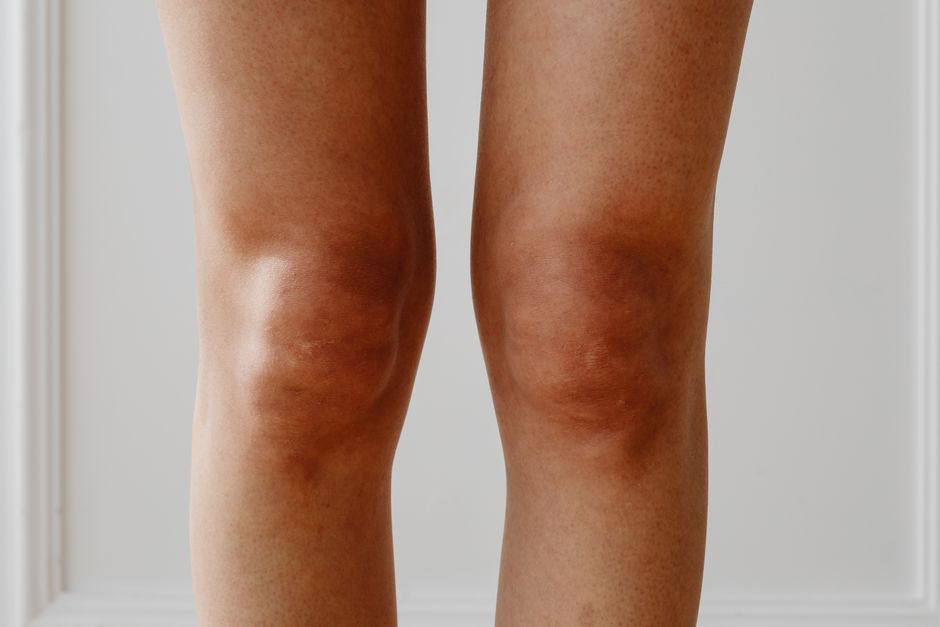
Gout in the knee causes sudden, severe pain, swelling, and warmth in the joint, and it is treatable. Treatment has two parts: calming the flare with anti-inflammatory medication started as early as possible, and preventing future flares by lowering uric acid levels over time. Prevention is the part that protects the joint long term, and it usually matters more than anything you do during a single attack.
What Causes Gout In The Knee?
Gout is caused by urate crystals forming inside a joint. Urate is a waste product made when the body breaks down purines, which come from your own cells and from food. When blood urate stays elevated for years, it can crystallize in and around joints. The immune system reacts to those crystals, and that reaction is what produces the pain and swelling.
The knee is a common site, though the big toe is the classic one. Gout can affect the knee alone, and when it does, it is sometimes mistaken for a knee infection or a flare of osteoarthritis. That distinction matters because the treatments are completely different.
Several things raise the risk of gout:
- Chronic kidney disease, because the kidneys clear most urate
- Diuretics such as thiazides and loop diuretics
- Obesity and metabolic syndrome
- Heavy alcohol use, especially beer
- Purine-rich foods, particularly organ meats and shellfish
- Sugary drinks sweetened with fructose
- Genetic factors that affect how the body handles urate
- Low-dose aspirin, which can raise urate slightly
One point that surprises people: diet is rarely the whole story. Most urate in the body is produced internally, not eaten. Food and alcohol influence levels, but genetics and kidney function usually carry more weight. That is why some people eat carefully and still flare.
How Do You Treat A Gout Flare In The Knee?
Start anti-inflammatory treatment as soon as you recognize a flare. The earlier it begins, the more effective it tends to be. Three main options are used, and the choice depends on your other health conditions, your kidney function, and what your clinician recommends.
NSAIDs such as ibuprofen, naproxen, or indomethacin are common first-line options for otherwise healthy people. They work well but are not appropriate for everyone. People with kidney disease, stomach ulcers, heart failure, or those taking blood thinners need to discuss alternatives with a clinician. This is not a decision to make alone.
Colchicine is effective when started early in a flare. It has a narrow window: it works best in the first day or so. It also has side effects, mainly diarrhea, and dosing must follow a clinician’s instructions. It is not a drug to self-dose.
Corticosteroids, taken by mouth or injected into the joint, are used when NSAIDs and colchicine are not suitable. Some clinicians inject the knee directly, which can relieve symptoms quickly. This is common practice, though how it compares head-to-head with oral steroids in the knee specifically is not strongly established in trials.
During a flare, rest the knee and avoid putting heavy weight on it. Ice can ease discomfort, though the evidence for ice specifically in gout is limited and it is used mainly for comfort. Do not massage the joint or apply heat, which can worsen swelling.
One thing worth knowing: if you already take a urate-lowering medicine such as allopurinol, current guidance generally advises continuing it through a flare rather than stopping. Stopping and restarting can cause urate levels to swing, which may trigger more attacks. Follow your prescriber’s instructions on this.
How Long Does A Knee Gout Flare Last?
An untreated gout flare typically peaks within about 24 hours and then gradually improves over several days to roughly two weeks. With treatment started early, symptoms often settle faster, though how much faster varies from person to person.
Some flares last longer, especially in people who have had gout for years or who have many affected joints. Repeated flares in the same knee can, over time, lead to joint damage and chronic pain. That is one reason prevention is not optional.
If a knee becomes hot, swollen, and extremely painful, and you also have a fever or feel unwell, seek medical care promptly. A septic joint (infection) can look very similar to gout and needs urgent treatment. Do not assume every hot swollen knee is gout.
How Do You Prevent Future Gout Flares In The Knee?
Prevention centers on lowering blood urate enough that crystals stop forming and existing crystals gradually dissolve. This is a long-term project, not a quick fix, and it is the single most effective way to reduce flares.
Urate-lowering therapy is the mainstay for people with recurrent flares, joint damage, or urate deposits called tophi. Allopurinol is the most commonly used medicine. Febuxostat is another option. These drugs lower urate production, and over months they can shrink crystal deposits. They do not relieve a flare in progress, which is why they are paired with anti-inflammatory cover when started.
Treatment targets are set by clinicians, typically aiming to bring urate below a specific threshold so crystals can dissolve. Your clinician will monitor levels with blood tests and adjust the dose. This is not a set-and-forget medicine.
Practical prevention steps that support medical treatment:
- Stay well hydrated, since dehydration can concentrate urate
- Limit beer and spirits, and avoid binge drinking
- Reduce sugary drinks and foods high in fructose
- Limit organ meats and shellfish, though strict avoidance is rarely necessary
- Aim for gradual weight loss if overweight, avoiding crash diets
- Review medicines with your clinician, including diuretics and aspirin
A clarification worth making: dairy products, coffee, and vitamin C from food have been associated with lower gout risk in some observational studies. The evidence is not strong enough to treat these as proven preventives, but they are not harmful additions to a balanced diet. Cherries are widely marketed for gout; some small studies suggest a possible benefit, but no large trials have confirmed that cherries prevent flares.
What Foods Should You Avoid With Gout?
Diet helps, but it is a supporting measure rather than a cure. The foods most consistently linked to higher urate and more flares are organ meats, some shellfish, beer, and sugar-sweetened drinks. Moderate purine foods like meat and legumes matter less than once thought.
Crash dieting and fasting can raise urate temporarily and trigger flares, so gradual change is better than extreme restriction. Very low-calorie diets should be discussed with a clinician if you have gout.
Alcohol deserves specific attention. Beer is particularly associated with flares, and heavy intake of any alcohol raises risk. Cutting back is one of the more reliable lifestyle changes available.
When Should You See A Doctor For Knee Gout?
See a clinician if this is your first suspected flare, if the knee is hot and you have a fever, or if over-the-counter treatment is not helping within a couple of days. A first attack should be confirmed, because other conditions mimic gout.
Diagnosis is usually made by examining the joint fluid for urate crystals, which is the most reliable test. Blood urate levels can be normal during an acute flare, so a normal result does not rule gout out. That detail is often missed.
People with frequent flares, kidney disease, or joint damage should discuss long-term urate-lowering therapy. Waiting until attacks become frequent means more pain and more joint stress in the meantime.
Frequently Asked Questions
Can gout in the knee go away without treatment?
Yes, an individual flare usually settles on its own over days to a couple of weeks. But without prevention, flares tend to return and can cause joint damage over time.
Is gout in the knee worse than gout in the toe?
Not necessarily worse, but knee gout can be harder to distinguish from infection and often affects a larger joint. Severity varies by person rather than by joint alone.
Should I stop allopurinol during a gout flare?
Current guidance generally advises continuing urate-lowering medicine through a flare rather than stopping it. Always follow your prescriber’s specific instructions.
Does drinking more water help prevent gout flares?
Staying well hydrated is reasonable and low risk, and dehydration is associated with higher urate concentration. Water alone is not a substitute for urate-lowering treatment in people who need it.
