
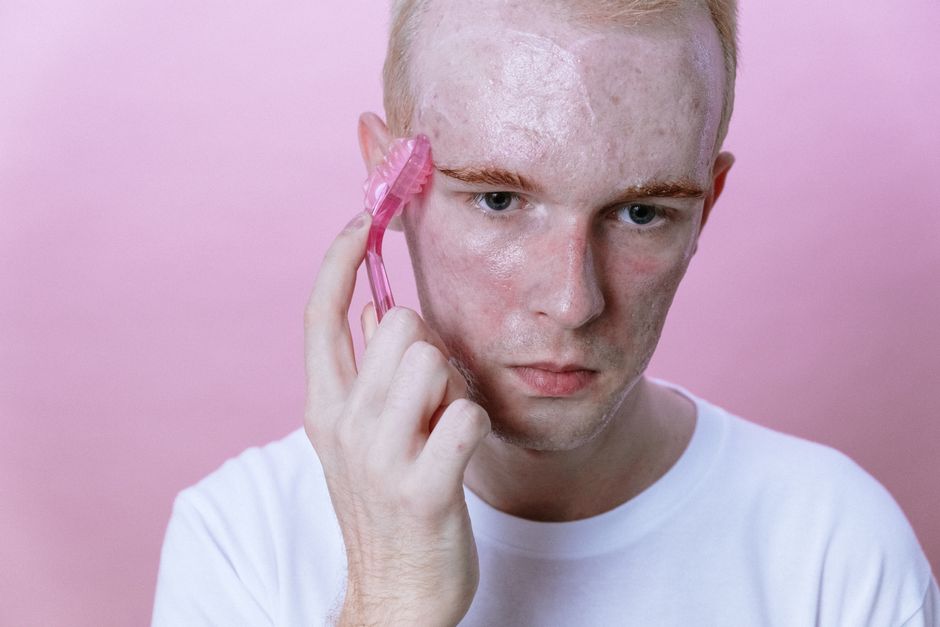
Acne has a strong genetic component. If one or both of your parents had significant acne, your own risk is substantially higher, and your breakouts may be more persistent and harder to clear than the average case. The three levers that matter most are prescription retinoids, targeted diet changes, and the right supporting treatments for your specific acne type. No single approach works for everyone, and genetics does not mean you are stuck with it.
Treatment for genetically influenced acne usually combines a topical retinoid as the foundation, dietary adjustments that reduce known triggers, and additional therapies like benzoyl peroxide, antibiotics, or hormonal agents when needed. Diet alone rarely clears genetic acne, and retinoids alone sometimes are not enough either. Most dermatologists treat it as a long-term condition rather than a short-term breakout.
How To Treat Genetic Acne Retinoids Diet More
Genetics shape how your skin responds to hormones, how much oil your sebaceous glands produce, how quickly your skin cells shed, and how your immune system reacts to the bacterium Cutibacterium acnes. All four of those factors drive acne. When they stack together, you get what people commonly call genetic acne.
The word “genetic” here is descriptive, not a diagnosis. There is no single acne gene. Research on twins and families consistently shows acne runs in families, but the inheritance pattern is complex, involving many genes and environmental inputs. That is why two siblings with similar genetics can have very different skin.
Because the causes are layered, treatment usually is too. A topical retinoid addresses how skin cells shed and helps prevent clogged pores. Diet changes can reduce some of the hormonal and inflammatory signals that make oil glands overactive. Other treatments — benzoyl peroxide, salicylic acid, oral antibiotics, hormonal therapy, or isotretinoin — target different parts of the same process.
What follows explains each of those levers honestly, including what the evidence supports and what it does not.
Do Retinoids Actually Work For Genetic Acne?
Yes. Topical retinoids are one of the most well-established treatments for acne, and they work regardless of whether the acne is driven by genetics or other factors.
Retinoids are vitamin A derivatives. They change how skin cells turn over, which helps keep pores from clogging. They also reduce inflammation at the level of the follicle. Because clogged pores are the starting point for almost all acne, retinoids address the earliest step in the process.
Common prescription options include tretinoin, adapalene, tazarotene, and trifarotene. Adapalene is also available over the counter in some formulations, which makes it a common starting point for people who have not seen a dermatologist yet.
A few things to know before you start:
- Retinoids take time. Improvement usually appears over 8 to 12 weeks, and sometimes longer. Stopping at week three because “nothing is happening” is one of the most common reasons people conclude retinoids do not work for them.
- They often cause a temporary worsening of acne in the first few weeks. This is sometimes called purging. It is expected and not a sign the medication is failing.
- Dryness, peeling, and irritation are common, especially early. Starting with a pea-sized amount a few nights per week and building up helps.
- Sunscreen matters more when you use a retinoid, because skin becomes more sensitive to ultraviolet light.
Retinoids are not a cure. They control acne while you use them, and acne often returns after you stop. For genetically driven acne, that usually means long-term use rather than a short course.
Which Diet Changes Have Real Evidence Behind Them?
Diet affects acne, but the effect is modest for most people and highly individual. Two dietary patterns have the most research support: high-glycemic diets and, to a lesser extent, dairy.
High-glycemic foods — white bread, sugary drinks, white rice, many processed snacks — raise blood sugar quickly. That triggers insulin release, which in turn can raise androgens and IGF-1, both of which stimulate oil production. Several controlled studies have found that people assigned to a low-glycemic diet had fewer acne lesions than those on a higher-glycemic diet. The effect is real but usually not dramatic on its own.
Dairy is more contested. Some observational studies have found an association between milk consumption and acne, particularly skim milk. Other studies have not. The evidence is mixed, and no large trial has shown that cutting dairy clears acne. If you want to test it, the reasonable approach is to remove dairy for 6 to 8 weeks and see whether your skin changes. If nothing changes, there is no reason to keep avoiding it.
What about chocolate, greasy food, and “junk food” in general? The old idea that chocolate directly causes pimples has not held up well. But many junk foods are also high-glycemic, so they may contribute indirectly. The mechanism is the blood sugar response, not the chocolate itself.
Diet is a supporting tool, not a replacement for treatment. If your acne is moderate to severe, changing what you eat is unlikely to clear it on its own.





What Other Treatments Help When Retinoids And Diet Are Not Enough?
For many people with genetically influenced acne, retinoids and diet changes reduce but do not eliminate breakouts. That is when other treatments come in.
Benzoyl peroxide kills C. acnes on the skin and reduces inflammation. It is available over the counter and is often paired with a retinoid. It can bleach towels and clothing, which is worth knowing before you start.
Salicylic acid is a beta-hydroxy acid that helps unclog pores. It is gentler than retinoids and often used in cleansers or spot treatments. It tends to be more helpful for mild acne than for deep nodules.
Oral antibiotics such as doxycycline or minocycline are sometimes prescribed for moderate to severe acne. They are usually used for a limited period, often alongside a topical retinoid, because long-term antibiotic use raises concerns about resistance. They are not meant to be a permanent solution.
Hormonal treatments — certain combined oral contraceptives or spironolactone — can be effective for women whose acne is driven by androgens. This is a decision to make with a clinician, since these medications have their own risks and are not appropriate for everyone.
Isotretinoin is the most effective treatment available for severe acne, including acne that has not responded to other options. It is also the most tightly regulated because of serious risks, including severe birth defects if taken during pregnancy. It requires monitoring and is prescribed under specific safety programs. It is not a first-line option, but for some people with persistent genetic acne, it is the treatment that finally works.
Does Genetics Mean Acne Is Permanent?
No. Genetics raises your risk and can make acne more stubborn, but it does not mean acne stays forever.
Acne is most common during adolescence and often improves in the twenties. For some people, especially women, it can persist into the thirties, forties, and beyond. Hormonal shifts — pregnancy, perimenopause, coming off birth control — can trigger new breakouts even in people who had clear skin for years.
What genetics mostly changes is how much effort it takes to keep skin clear and how likely acne is to return when treatment stops. People with a strong family history often need ongoing maintenance rather than a one-time fix.
The other thing genetics affects is scarring. Some people scar more easily from acne than others, and that tendency also runs in families. That is one reason dermatologists often recommend treating moderate acne earlier rather than waiting to see if it resolves on its own.
When Should You See A Dermatologist?
See a dermatologist if your acne is moderate to severe, if it is causing scars, or if over-the-counter treatments have not helped after about 2 to 3 months of consistent use.
Other reasons to seek care sooner:
- Deep, painful nodules or cysts
- Acne that is leaving marks or indentations even after individual spots heal
- Acne that is affecting your mental health or daily life
- Signs of hormonal acne, such as breakouts along the jawline and chin that flare around your period
Prescription treatments are more effective than over-the-counter options for moderate to severe acne, and a dermatologist can tailor a plan to your skin type, history, and other health factors. Waiting usually does not improve outcomes and can increase the risk of scarring.
Frequently Asked Questions
Can genetic acne be cured?
No, genetic acne cannot be cured, but it can usually be well controlled with the right combination of treatments. Most people need ongoing management rather than a one-time fix.
Do retinoids work if my acne is genetic?
Yes, topical retinoids are effective for acne regardless of whether genetics play a role, because they target the clogged pore that starts the process. They typically take 8 to 12 weeks to show clear improvement.
Does cutting out dairy really help acne?
The evidence is mixed, and no large trial has shown that removing dairy clears acne. Some people notice improvement, but it is not a reliable solution on its own.
Is isotretinoin the only option for severe genetic acne?
No, but it is the most effective treatment for severe acne that has not responded to other options. It requires close monitoring because of serious risks, including birth defects if taken during pregnancy.
