
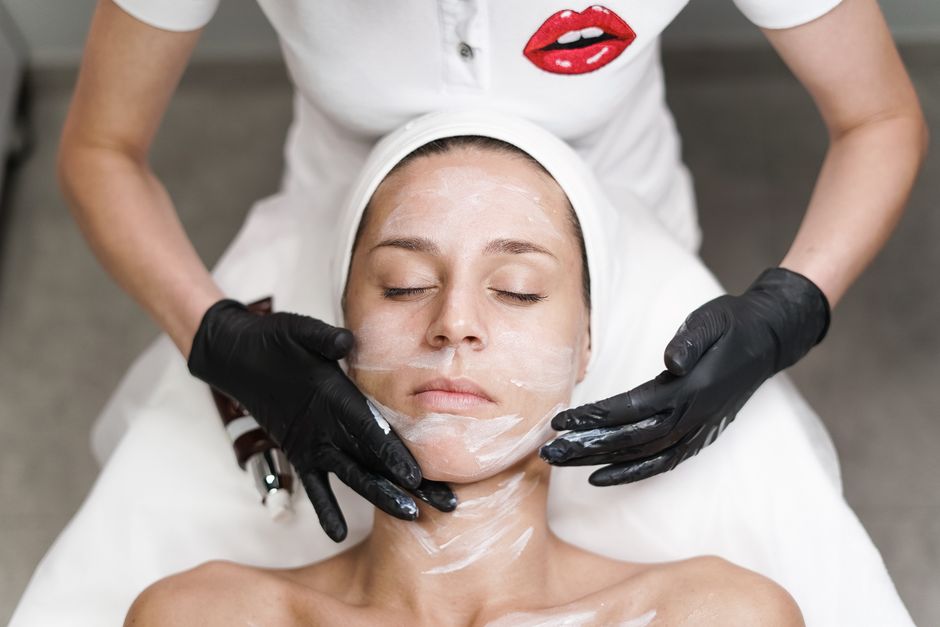
Pregnancy changes your skin in ways nobody warns you about. Dry, flaky, tight-feeling skin on the face is common, especially in the first and third trimesters, and it is usually driven by shifting hormone levels rather than anything you are doing wrong. The safest approach is simple: gentle cleansing, a fragrance-free moisturizer, and avoiding retinoids, high-dose salicylic acid, and other ingredients that are not considered safe in pregnancy. If dryness is severe or comes with redness, itching, or a rash, see a doctor or dermatologist rather than experimenting with products.
Why Does Pregnancy Cause Dry Skin On The Face?
Estrogen and progesterone rise sharply during pregnancy, and both affect how your skin produces and retains moisture. Estrogen tends to increase oil production and water retention in the skin, but it also changes the barrier function of the outermost skin layer. Progesterone can increase blood flow to the skin and alter sebum production. The net effect varies from person to person.
Some pregnant women develop oilier skin and acne. Others develop dryness, sensitivity, or a combination of both in different areas of the face. There is no single predictable pattern.
Two other factors matter. First, blood volume increases substantially during pregnancy, which changes fluid balance throughout the body and can affect skin hydration. Second, many women change their skincare routine when they find out they are pregnant, often switching to gentler or fewer products. That switch alone can strip the skin and cause dryness.
Dryness is not a sign that something is wrong with the pregnancy. It is a normal skin response to a normal hormonal shift.
How To Treat Dry Skin On Face During Pregnancy
Treatment comes down to three things: stop stripping the skin, replace what is lost, and avoid ingredients that carry risk during pregnancy. Everything else is secondary.
Cleansing
Use a cream or lotion cleanser instead of a foaming gel. Foaming cleansers, especially those with sulfates, remove oils aggressively and can leave the skin barrier compromised. Wash with lukewarm water, not hot. Hot water dissolves skin lipids and worsens dryness.
Twice a day is enough for most people. If your skin feels tight after washing, you are over-cleansing. Cutting back to once daily, usually at night, is reasonable for very dry skin.
Moisturizing
Apply moisturizer within a few minutes of washing, while the skin is still slightly damp. This traps water in the outer layer. Look for products with ceramides, glycerin, hyaluronic acid, or squalane. These ingredients are well tolerated and considered safe in pregnancy.
Thicker creams and ointments hold moisture better than thin lotions. If your face feels dry again within an hour, you need a heavier product, not more frequent application of a light one.
Ingredients To Avoid
This is where pregnancy changes the rules. Several ingredients common in skincare are not recommended during pregnancy:
- Retinoids (retinol, tretinoin, adapalene, isotretinoin) — linked to birth defects and generally avoided in pregnancy
- High-dose salicylic acid — topical use at low concentrations is often considered acceptable by clinicians, but high-concentration peels are typically avoided
- Hydroquinone — absorption concerns; usually avoided
- Oral isotretinoin — absolutely contraindicated in pregnancy
- Certain essential oils — some, like clary sage and juniper, are traditionally avoided in pregnancy, though human safety data is limited
On salicylic acid specifically, the evidence is not black and white. Many dermatologists consider low-concentration topical salicylic acid safe for limited areas of the face. High-concentration peels covering large areas are a different situation. If you are unsure, ask your doctor rather than guessing.
Which Moisturizing Ingredients Are Safe During Pregnancy?
The safest ingredients are the boring ones. Humectants pull water into the skin, emollients soften it, and occlusives seal moisture in. Most of these have decades of use and no known pregnancy risk when applied topically.
| Ingredient | Type | Pregnancy Notes |
|---|---|---|
| Glycerin | Humectant | Widely used, considered safe |
| Hyaluronic acid | Humectant | Topically applied, considered safe |
| Ceramides | Emollient | Considered safe; supports skin barrier |
| Squalane | Emollient | Considered safe |
| Petrolatum | Occlusive | Considered safe; very effective for dry skin |
| Niacinamide | Vitamin B3 | Generally considered safe topically |
| Vitamin C (L-ascorbic acid) | Antioxidant | Generally considered safe topically |
This is not a complete list, but it covers the ingredients most likely to help. Fragrance-free and dye-free products are a safer default because pregnancy can increase skin sensitivity, and fragrance is a common irritant.




Is Dry Skin On The Face A Sign Of A Larger Problem?
Usually no. Dryness alone is not a warning sign. But some skin changes in pregnancy do warrant medical attention, and it helps to know the difference.
Cholestasis of pregnancy causes intense itching, often on the palms and soles, and sometimes without a visible rash. It typically appears in the third trimester and requires medical evaluation because it can affect the baby. Dryness without itching is not cholestasis.
Eczema and psoriasis can flare during pregnancy, and some women experience these conditions for the first time while pregnant. These cause red, inflamed, scaly patches rather than simple dryness.
PUPPP (pruritic urticarial papules and plaques of pregnancy) is an itchy rash that usually starts on the abdomen and can spread. It is uncomfortable but not dangerous to the baby.
See a doctor if you have severe itching, a spreading rash, skin that cracks and bleeds, or dryness that does not improve with basic moisturizing after a couple of weeks.
What Lifestyle Factors Make Facial Dryness Worse?
Environment and habits matter as much as products. Several everyday factors can make dry skin worse during pregnancy:
- Long hot showers or washing your face with hot water
- Dry indoor air, especially in winter or in air-conditioned rooms
- Exfoliating scrubs, brushes, or acids used too often
- Alcohol-based toners and astringents
- Clay masks and other oil-absorbing treatments
- Not drinking enough water
Running a humidifier in your bedroom can help if the air is dry. Drinking adequate water supports overall hydration, though it will not fix a damaged skin barrier on its own. This is one of those areas where common advice oversimplifies: drinking more water helps your body, but dry facial skin is usually a barrier problem, not a whole-body dehydration problem.
Can You Use Anti-Aging Products While Pregnant?
Some, yes. Others, no. This is where most pregnancy skincare confusion happens.
Vitamin C serums, niacinamide, hyaluronic acid, and most peptides are generally considered safe. These can address dullness and fine lines without the risks associated with retinoids.
Retinoids are the exception. They are the most effective anti-aging ingredients available, and they are also the ones you should not use during pregnancy. Topical tretinoin and oral isotretinoin are both linked to birth defects. Retinol and adapalene, while weaker, are typically avoided as a precaution because the evidence is not strong enough to declare them safe.
If you were using a retinoid before pregnancy, stop and talk to your doctor about alternatives. Do not assume that because it is sold over the counter it is safe.
When Should You See A Doctor About Dry Skin During Pregnancy?
See a doctor if the dryness is severe, persistent, or accompanied by symptoms that suggest something more than a cosmetic issue. Specifically:
- Itching that is intense, widespread, or worse at night
- A rash that spreads or does not respond to moisturizer
- Skin that cracks, bleeds, or shows signs of infection
- Dryness that started suddenly and is getting worse
- Any skin change that worries you
A dermatologist or your obstetrician can assess whether the issue is simple dryness or something that needs treatment. Some prescription topical medications are considered safe in pregnancy, and a doctor can guide you on which ones. Do not start a prescription product during pregnancy without medical guidance.
What About Natural And DIY Remedies?
Some natural ingredients are helpful. Others are not, and “natural” does not mean “safe in pregnancy.”
Oatmeal, aloe vera, and shea butter are generally well tolerated and can soothe dry skin. Coconut oil works as an occlusive for some people but can clog pores in others.
Essential oils are where caution matters. Some are considered safe in small amounts, but many have not been studied in pregnancy. Tea tree oil, lavender, and chamomile are commonly used, but evidence on their safety during pregnancy is limited. Some oils, including clary sage and juniper, are traditionally avoided.
No clinical guidelines currently exist for the use of most essential oils during pregnancy. If you want to use them, ask your doctor first.
Frequently Asked Questions
Is dry skin on the face normal during pregnancy?
Yes, it is common and usually caused by hormonal changes that affect the skin barrier. It is not a sign that anything is wrong with the pregnancy.
Can I use retinol for dry skin while pregnant?
No. Retinoids, including retinol and tretinoin, are linked to birth defects and are generally avoided during pregnancy. Talk to your doctor about safer alternatives.
What is the best moisturizer for dry skin during pregnancy?
A fragrance-free cream or ointment with ceramides, glycerin, or hyaluronic acid is a good choice. Thicker products hold moisture better than thin lotions.
When should I worry about dry skin during pregnancy?
See a doctor if you have intense itching, a spreading rash, or skin that cracks or bleeds. Severe itching, especially on the palms and soles, can be a sign of a condition that needs medical evaluation.
