
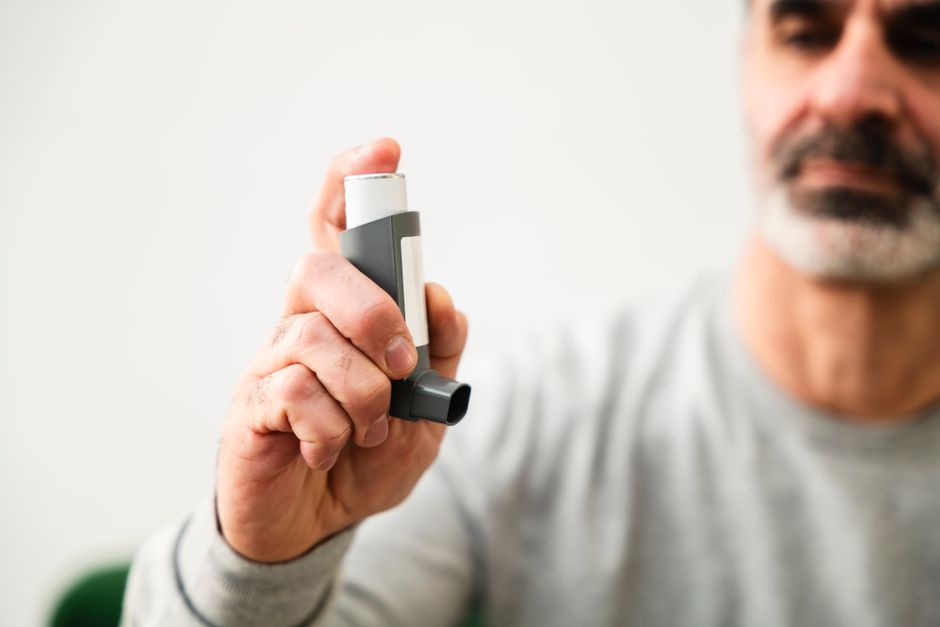
COPD treatment works best when several approaches are used together. Inhaled medications open the airways and reduce flare-ups, pulmonary rehabilitation builds strength and breathing endurance, and quitting smoking is the single most important step to slow the disease. Oxygen therapy helps people with low blood oxygen, and vaccines lower the risk of infections that trigger attacks.
What Is COPD and How Does It Change the Lungs?
COPD is a long-term lung disease that makes it hard to move air out of the lungs. It includes two main conditions: chronic bronchitis and emphysema. Most people with COPD have features of both.
In chronic bronchitis, the airways become inflamed and produce extra mucus. That mucus narrows the tubes and makes breathing harder. In emphysema, the tiny air sacs at the end of the airways are destroyed. These sacs normally stretch and spring back with each breath. When they are damaged, air gets trapped and the lungs cannot empty properly.
The main cause is long-term exposure to irritants. Cigarette smoke is the most common. Other causes include long-term exposure to air pollution, chemical fumes, dust, and smoke from indoor cooking fires. A small number of people have a genetic form caused by a condition called alpha-1 antitrypsin deficiency. This is rare but worth testing in people who develop COPD at a young age or who never smoked.
COPD develops slowly. Most people are diagnosed in their 40s or later after years of exposure. The damage to the lungs cannot be reversed. But treatment can slow the decline, reduce symptoms, and help people stay active.
How To Treat COPD: Inhalers, Rehab, And More
Treatment for COPD has a clear goal: reduce symptoms, prevent flare-ups, and keep you functioning day to day. No single treatment does all of that. The most effective plans combine medications, lifestyle changes, and sometimes oxygen or surgery.
Inhaled Medications
Inhalers are the foundation of COPD treatment. They deliver medicine straight to the airways, which means fewer side effects than pills. There are several types:
- Bronchodilators relax the muscles around the airways so they open wider. Short-acting types are used as needed for quick relief. Long-acting types are used daily to keep airways open.
- Combination inhalers mix two or more bronchodilators, or a bronchodilator with a corticosteroid. These are often used for people who have frequent flare-ups.
- Inhaled corticosteroids reduce airway inflammation. They are not used alone for COPD. They are added for certain patients, usually those with frequent flare-ups or a history of asthma.
Using an inhaler correctly matters as much as which one you get. Many people use their inhalers wrong, which means less medicine reaches the lungs. A spacer or a valved holding chamber can help. So can a nebulizer for people who struggle with handheld devices. Ask a doctor, nurse, or pharmacist to watch you use your inhaler and correct your technique.
Pulmonary Rehabilitation
Pulmonary rehabilitation is a supervised program that combines exercise, breathing training, and education. It usually runs for several weeks with sessions a few times per week. Research consistently shows it improves breathing capacity, reduces breathlessness, and improves quality of life. It also reduces hospital admissions after a flare-up.
The exercise part is not just about fitness. It trains your muscles to use oxygen more efficiently, which means you can do more before you get short of breath. Breathing techniques teach you to control your breath during activity. Education covers nutrition, medication use, and how to recognize a flare-up early.
Many people avoid rehab because they think they cannot exercise. The programs are designed for people at all fitness levels, including those who use oxygen. Participants often start with simple movements and build up over time.
Oxygen Therapy
Oxygen therapy is for people whose blood oxygen is low. It is not for everyone with COPD. It is most helpful for people with severe low oxygen at rest, during sleep, or with activity. When used for the right patients, long-term oxygen therapy improves survival. For people with only mildly low oxygen, the benefit is less clear.
Oxygen is usually delivered through a nasal tube. Portable units let people move around. Oxygen is a medical treatment, not a general pick-me-up. Using it when it is not needed can be harmful.
Vaccines and Infection Prevention
Infections are a major trigger for COPD flare-ups. Staying up to date on vaccines lowers that risk. This includes flu, COVID-19, pneumococcal, and pertussis vaccines. Hand washing and avoiding sick contacts also help.
Smoking Cessation
Quitting smoking is the most important step a person with COPD can take. It slows the rate of lung function decline. It reduces flare-ups. It improves survival. The benefits apply at any age and at any stage of the disease.
Quitting is hard. Combination approaches work better than willpower alone. This includes counseling, nicotine replacement, and prescription medications. Many people need several attempts before they quit for good.
What Lifestyle Changes Help With COPD?
Daily habits affect how well you breathe and how much you can do. These changes are not a substitute for medical treatment, but they support it.
- Stay active. Regular movement keeps muscles strong and helps the heart and lungs work better together. Even short walks count.
- Eat well. A balanced diet helps maintain strength. Some people with COPD need more calories because breathing itself burns energy.
- Avoid irritants. Stay away from smoke, strong fumes, and outdoor air pollution on bad air days.
- Manage stress. Anxiety and breathlessness feed each other. Relaxation techniques can break that cycle.
- Sleep well. Poor sleep makes symptoms worse. Some people with COPD need treatment for sleep apnea.
One non-obvious point: pursed-lip breathing is not just a relaxation trick. It creates mild back pressure in the airways that helps keep them from collapsing during exhalation. This can help move trapped air out. It is a technique taught in pulmonary rehab.


When Is Surgery or Other Procedures Considered?
Surgery and procedures are options for a small number of people with severe COPD. They are not first-line treatments.
Lung volume reduction surgery removes damaged, overinflated lung tissue. This lets the remaining healthy lung work better. It is only for certain patients with emphysema in the upper parts of the lungs. It carries real risks, including death, and is not for everyone.
Bronchoscopic lung volume reduction uses valves placed through a scope to block off the most damaged part of a lung. It is less invasive than surgery but still only for selected patients.
Lung transplant is reserved for people with very severe disease who meet specific criteria. It is a major operation with lifelong medications afterward.
These options are decided case by case by a lung specialist. They are not appropriate for most people with COPD.
How Do You Recognize and Manage a Flare-Up?
A flare-up, or exacerbation, is a sudden worsening of symptoms. It usually means more shortness of breath, more cough, and more mucus. Mucus may change color or become thicker.
Flare-ups can be triggered by infections, air pollution, or sometimes nothing obvious. They damage the lungs and speed up decline. Early treatment matters.
Signs to watch for:
- More breathlessness than usual
- More coughing or wheezing
- More mucus, or a change in color
- Feeling more tired or confused
- Fever or chills
If symptoms get worse, contact your doctor. Treatment often includes steroids, antibiotics if infection is likely, and increased use of rescue inhalers. Some people need hospital care. Having an action plan written with your doctor helps you know what to do and when to get help.
What Does the Evidence Say About Proven Methods?
The treatments with the strongest evidence for COPD are the ones that have been studied the most. These include inhaled bronchodilators, pulmonary rehabilitation, smoking cessation, and long-term oxygen for people with low oxygen levels. These approaches reduce symptoms, hospital stays, and in some cases death.
Other approaches have weaker or mixed evidence. Some dietary supplements marketed for lung health have no clinical trials supporting them. Some breathing devices sold online have not been tested in rigorous studies. If a product claims to cure or reverse COPD, that claim is not supported by evidence. COPD cannot be cured.
This does not mean there is no hope. It means the proven path is the one built on medications, rehab, lifestyle, and prevention. New treatments are being studied, and care continues to improve. But the core of treatment has not changed.
Frequently Asked Questions
Can COPD be cured?
No, COPD cannot be cured. Treatment can slow the disease, reduce symptoms, and improve quality of life.
Do I need oxygen if I have COPD?
Only if your blood oxygen is low. Oxygen therapy helps people with low oxygen live longer, but it is not helpful for everyone with COPD.
Is pulmonary rehab worth it?
Yes, for most people with COPD who can participate. Research shows it improves breathing, reduces breathlessness, and lowers hospital admissions.
Can I stop using my inhaler if I feel better?
No, do not stop without talking to your doctor. Long-acting inhalers work over time, and stopping them can lead to flare-ups.
