
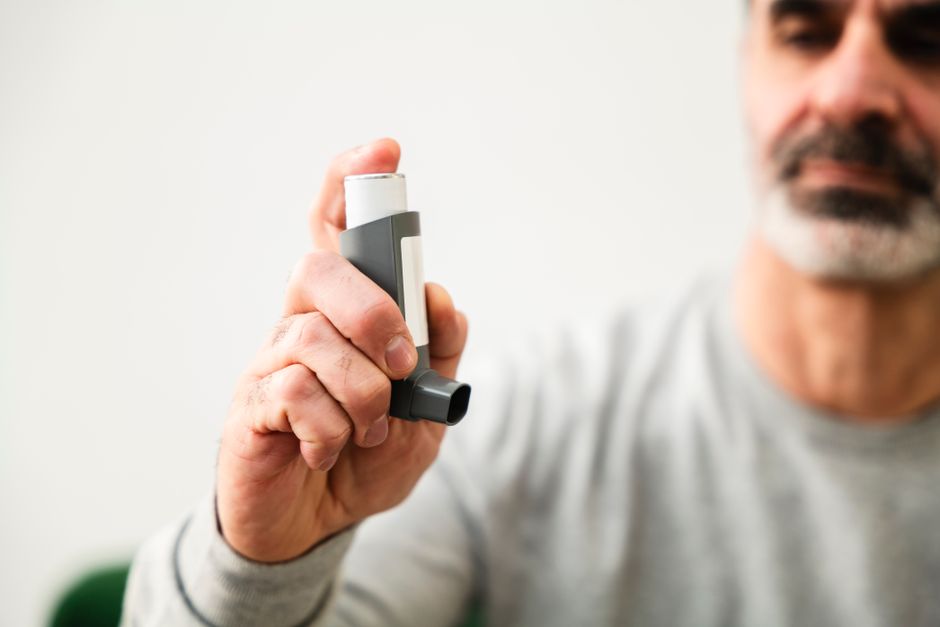
A COPD exacerbation is a sudden worsening of breathing symptoms that needs quick action. Short-acting bronchodilator inhalers are the first treatment step, followed by a short course of steroids and sometimes antibiotics. Oxygen is added when blood oxygen drops below safe levels, and it must be carefully controlled because too much oxygen can slow breathing in some people with COPD.
That is the short answer. The rest of this article explains what each step does, when it applies, and where the real limits of the evidence sit.
What Counts as a COPD Exacerbation?
An exacerbation is a flare-up of COPD symptoms that goes beyond your normal day-to-day variation and usually needs a change in treatment. The classic signs are more breathlessness than usual, more coughing, and more or thicker sputum. Symptoms typically worsen over hours to a few days.
Doctors often describe severity in three tiers. Mild flares are managed with extra short-acting inhalers. Moderate flares need inhalers plus oral corticosteroids, and sometimes antibiotics. Severe flares involve marked breathlessness, low oxygen, or confusion, and these need emergency care.
Not every worsening is an exacerbation. Heart failure, pneumonia, a blood clot in the lung, and a collapsed lung can all mimic one. That is why a proper assessment matters. A flare that feels different from your usual pattern deserves a call to your clinician or emergency services rather than guesswork.
Which Inhalers Are Used During a COPD Exacerbation?
Short-acting bronchodilators are the backbone of flare-up treatment. These are the rescue inhalers, not the long-acting maintenance ones. They relax the muscles around the airways, which opens them up and eases breathlessness.
There are two main types:
- Short-acting beta-agonists (SABAs) such as albuterol (salbutamol). These are the most commonly used rescue inhalers.
- Short-acting muscarinic antagonists (SAMAs) such as ipratropium. These are sometimes added or combined with a SABA.
During a flare, these are used more often than usual, typically through a spacer device or nebulizer. A spacer is a chamber that attaches to the inhaler and helps more medicine reach the lungs. Using a spacer with a metered-dose inhaler can work as well as a nebulizer for many people, and it is often simpler to use at home.
Long-acting bronchodilators and inhaled corticosteroids are maintenance medicines. They are taken every day to prevent flares. They are not rescue medicines and do not replace short-acting inhalers during an acute worsening. If you are unsure which of your inhalers is which, that is worth clarifying with your clinician before you need it in a hurry.
When Do Steroids and Antibiotics Come In?
Oral corticosteroids are commonly used for moderate to severe exacerbations. They reduce airway inflammation and are generally given as a short course, often around five days. Research has found that shorter courses work about as well as longer ones for most people, with fewer side effects.
Antibiotics are not automatic. They are considered when there are signs of a bacterial infection, such as increased sputum that has become thicker or more colored, increased breathlessness, or increased sputum volume. Some clinicians use a combination of these signs to decide. Antibiotics do nothing for a flare caused by a virus or by irritants like air pollution, and unnecessary use carries real downsides.
This is one area where clinical judgment matters more than a fixed rule. If you keep antibiotics “on hand” for flares, ask your clinician under exactly what circumstances you should start them.
How To Treat COPD Exacerbation Inhalers To Oxygen
Oxygen is a treatment, not a comfort measure, and in COPD it needs a target range. The concern is well established. In some people with COPD, especially those with chronically high carbon dioxide levels, giving too much oxygen can reduce the drive to breathe and worsen carbon dioxide retention.
For that reason, oxygen during a COPD exacerbation is typically titrated to a target oxygen saturation range rather than given at the highest flow possible. A commonly used target in clinical guidance is an oxygen saturation of about 88% to 92% for people at risk of carbon dioxide retention. This is a clinical target set by medical teams, not a number to manage on your own at home.
The practical sequence looks like this:
- Start with short-acting bronchodilators to open the airways.
- Add corticosteroids and, where indicated, antibiotics.
- Assess oxygen levels with a pulse oximeter.
- Give controlled oxygen if saturation falls below the target range.
- Escalate to hospital care if breathing does not improve or worsens.
Home oxygen during a flare is a different matter from long-term oxygen therapy. Long-term oxygen is prescribed for people with chronic low oxygen levels and is used many hours a day. That is not the same as turning up oxygen during an acute illness. If you have home oxygen, follow the flow rate your clinician set and call for help if your breathing worsens despite it.
What Are the Warning Signs That Mean Emergency Care?
Some flares are too dangerous to manage at home. Call emergency services if breathing is severely worse, if you cannot speak in full sentences, if lips or fingertips turn blue or gray, if you become confused or very drowsy, or if rescue inhalers are not helping.
Confusion and drowsiness are especially important. They can be signs that oxygen is too low or carbon dioxide is too high. Both are medical emergencies.
Do not wait to see if things improve on their own if any of these signs appear. Early treatment saves lives, and delay is one of the main reasons flares become critical.
What Should You Have Ready Before a Flare Happens?
The best time to prepare for an exacerbation is when you are stable. A written action plan from your clinician is one of the most useful tools you can have. It tells you which medicines to use, when to call, and when to go to the hospital.
Make sure you know:
- Which inhaler is your rescue medicine and which are maintenance.
- How to use your inhaler and spacer correctly. Technique matters as much as the medicine.
- What your personal oxygen target is, if you have one.
- Who to call and where to go.
Prevention also counts. Staying current on recommended vaccines, avoiding smoke and air pollution, and taking maintenance inhalers every day as prescribed all reduce how often flares happen. Pulmonary rehabilitation, a structured exercise and education program, has good evidence for reducing breathlessness and hospital admissions in COPD.
One clarification worth making: a rescue inhaler that seems to stop working is not a reason to keep using it more and more. That pattern can signal a severe flare that needs medical care, not more doses at home.
Frequently Asked Questions
Can I use my rescue inhaler more often during a COPD flare?
Yes, short-acting bronchodilators are typically used more frequently during a flare, but follow the schedule your clinician gave you. If you need it far more often than usual or it stops helping, seek medical care.
Is oxygen safe during a COPD exacerbation?
Oxygen is safe and necessary when levels are low, but it must be controlled to a target range because too much can slow breathing in some people with COPD. This is why medical teams set a specific oxygen saturation target rather than giving maximum flow.
Do I always need antibiotics for a COPD flare?
No. Antibiotics are used when there are signs of a bacterial infection, such as more breathless plus thicker or more colored sputum. Many flares are caused by viruses or irritants, where antibiotics do not help.
How long does a COPD exacerbation last?
Most flares improve over several days to a couple of weeks with treatment, though recovery time varies widely between people. Worsening symptoms or no improvement within a few days should prompt a call to your clinician.
