
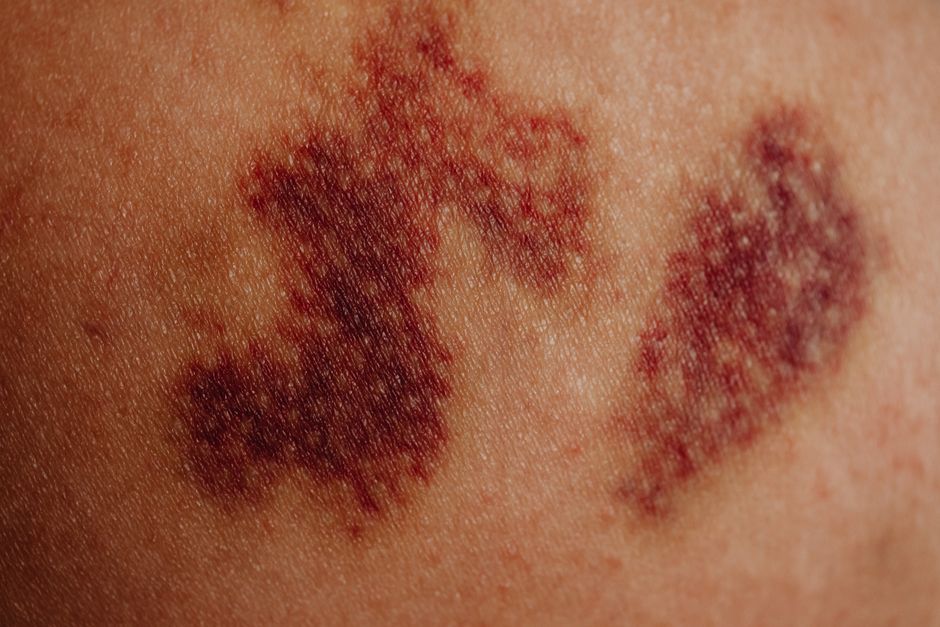
Seeing bright red blood on toilet paper is alarming, but in most cases it comes from a hemorrhoid — a swollen vein in or around the anus. Bleeding hemorrhoids are usually treated at home with a combination of fiber, fluids, sitz baths, and over-the-counter creams, and most improve within a few days to a couple of weeks. The methods below are the ones with real clinical support. If bleeding is heavy, dark, or ongoing, or if you have never had a hemorrhoid diagnosed, see a doctor before assuming that is what it is.
What Actually Causes A Hemorrhoid To Bleed?
Hemorrhoids are normal vascular cushions in the anal canal. Everyone has them. They help with bowel control. They only become a problem when they swell, stretch, and the thin tissue covering them gets irritated or torn.
That tissue is fragile. When a hard stool passes, or when you strain, the surface can crack and bleed. The blood is typically bright red because it is fresh and close to the surface. You may see it on toilet paper, in the bowl, or streaked on the stool itself.
Two things make this more likely. The first is pressure — from constipation, straining, pregnancy, or sitting on the toilet too long. The second is time. A hemorrhoid that stays swollen stays vulnerable.
Internal hemorrhoids sit above the point where the anal canal has pain nerves. They often bleed without hurting. External hemorrhoids sit below that line, where there are pain nerves. They tend to hurt, especially if a clot forms.
How To Treat Bleeding Hemorrhoids At Home
Start with fiber and water. This is the single most effective home measure, and it addresses the cause rather than the symptom.
Fiber softens stool and reduces straining. The evidence for fiber in hemorrhoid treatment is well established. Aim for the general adult recommendation of roughly 25 to 30 grams of fiber per day from food, or use a fiber supplement if food alone is not enough. Increase fiber gradually over a week or two. Going too fast causes gas and bloating, and people often quit because of it.
Drink enough fluid to keep urine pale yellow. Water alone will not fix a hemorrhoid, but dehydration makes stool harder, and hard stool is what tears the surface.
Do not strain. Do not sit on the toilet for long stretches with a phone or a book. If nothing happens in a few minutes, get up and try later. Prolonged sitting raises pressure in the anal veins.
Warm sitz baths help. Sitting in warm water for about 10 to 15 minutes, a few times a day, can ease pain and irritation. Some clinicians recommend them and many people find them soothing, though the trial evidence for sitz baths specifically is limited. They are low risk, so they are reasonable to try.
Over-the-counter creams and suppositories can reduce itching and pain. Many contain a mild local anesthetic, a corticosteroid, or a protectant like zinc oxide. Use them as directed on the label and not for longer than the package states. Steroid creams used too long can thin the skin and make things worse.
Witch hazel pads are widely used and generally well tolerated. The evidence for them is modest, but they are low risk.
Do not rub or scrub the area. Pat dry or use a bidet. Rough toilet paper irritates tissue that is already inflamed. Fragrance-free wipes are gentler, but do not flush them.
Which Over-The-Counter Products Help And Which Do Not?
Not all products sold for hemorrhoids do the same thing. It helps to know what you are buying.
- Fiber supplements — psyllium, methylcellulose, and wheat dextrin. These have the best evidence for reducing symptoms and bleeding over time.
- Protectants — zinc oxide, petrolatum, and similar. They form a barrier and reduce irritation. Low risk, modest benefit.
- Local anesthetics — lidocaine and similar. They numb pain for a short time. Do not overuse, and stop if you get a rash.
- Corticosteroids — hydrocortisone. They reduce inflammation short term. Limit use to the period on the label.
- Vasoconstrictors — products that shrink tissue. These can cause irritation in some people and should not be used long term.
What does not help: harsh soaps, alcohol-based wipes, and anything that stings. Pain is not a sign it is working.



How Long Until Bleeding Stops?
Most mild bleeding from hemorrhoids settles within a few days to two weeks with consistent fiber, fluids, and less straining. That timeline is a general clinical expectation, not a guarantee for every case.
If bleeding continues past a week or two despite home care, that is a reason to see a doctor. It does not mean something is seriously wrong, but it does mean home treatment is not enough and the cause should be confirmed.
Pain from an external hemorrhoid usually peaks in the first day or two and eases over several days. A firm, painful lump that appears suddenly may be a thrombosed hemorrhoid — one with a clot inside. These can be very painful and sometimes need a minor procedure to drain. See a doctor if that happens.
When Home Treatment Is Not Enough
Some situations need medical care rather than more home remedies. Do not wait these out.
- Bleeding that is heavy, spurting, or does not stop
- Blood that is dark, tarry, or mixed throughout the stool
- Bleeding along with dizziness, weakness, or a racing heart
- Pain that is severe or getting worse
- A lump that is hard, swollen, and very tender
- Symptoms that keep coming back after treatment
- Any bleeding in someone over 45 who has not had it evaluated
- Bleeding with weight loss, a change in bowel habits, or a family history of colon cancer
This matters because rectal bleeding is not always a hemorrhoid. Other conditions, including colon polyps, inflammatory bowel disease, and colorectal cancer, can cause bleeding that looks similar. Bright red blood is more often from a hemorrhoid, but that is a tendency, not a rule. A doctor can tell the difference.
Procedures done in a clinic — rubber band ligation, sclerotherapy, and others — are options when home care fails. These are performed by a clinician, not at home.
What Makes Bleeding Hemorrhoids Worse?
The habits that cause hemorrhoids are the same ones that keep them bleeding. Changing them is part of treatment, not separate from it.
Straining on the toilet is the biggest one. So is chronic constipation or diarrhea, both of which irritate the anal canal. Sitting for long periods, whether on the toilet or at a desk, raises pressure. Heavy lifting does the same.
Diet plays a large role. Low fiber and low fluid intake make stool hard. Spicy food and alcohol do not cause hemorrhoids, but some people find they worsen irritation. That varies from person to person.
Pregnancy is a common trigger, partly from pressure and partly from hormonal changes. Hemorrhoids in pregnancy usually improve after delivery. Treatment during pregnancy should be discussed with a clinician, because some over-the-counter products are not recommended at that time.
Can Bleeding Hemorrhoids Be Prevented?
Prevention works the same way treatment does. Keep stool soft and keep pressure low.
Eat fiber-rich foods — beans, whole grains, vegetables, and fruit. Drink water throughout the day. Stay physically active, which helps bowel function. Go when you feel the urge rather than holding it. Do not rush, and do not linger.
If you have had hemorrhoids before, staying on fiber long term reduces the chance of another episode. This is one of the more reliable findings in the research on hemorrhoids.
None of this is dramatic. It is boring, consistent, and it works better than any single product.
Frequently Asked Questions
How long do bleeding hemorrhoids take to heal?
Most mild bleeding improves within a few days to two weeks with fiber, fluids, and less straining. If bleeding continues past two weeks, see a doctor.
Can I treat bleeding hemorrhoids at home without seeing a doctor?
Yes, if you have had hemorrhoids diagnosed before and the bleeding is light and brief. If this is your first time bleeding, or the bleeding is heavy or dark, get it checked.
What is the fastest way to stop hemorrhoid bleeding?
There is no instant fix. Reducing straining, softening stool with fiber, and using sitz baths and barrier creams are the measures that help most, and they take days to work.
Does preparation H stop bleeding?
Over-the-counter creams can ease pain and itching, but they do not stop bleeding directly. Fiber and less straining address the cause of the bleeding.
