
Bacterial meningitis is a medical emergency. If you or someone you know shows signs of it, call 911 or go to an emergency room immediately. Treatment starts in the hospital with intravenous antibiotics and often corticosteroids. With prompt care, most people survive, but the timeline and recovery depend on how fast treatment begins and which bacteria caused the infection.
What Is Bacterial Meningitis?
Bacterial meningitis is an infection of the meninges, the protective membranes covering the brain and spinal cord. When bacteria invade these membranes, the body’s immune response causes swelling. That swelling can increase pressure inside the skull, which can damage the brain or cut off blood flow.
It is not the same as viral meningitis, which is usually milder. Bacterial meningitis is more dangerous and requires hospital care. The most common causes in adults are Streptococcus pneumoniae and Neisseria meningitidis. In newborns, group B streptococcus and E. coli are more common.
The infection spreads through respiratory droplets from coughing, sneezing, or close contact. It does not spread through casual contact like sharing a room. Most people exposed to these bacteria never get sick, but some develop the infection.
What Are the First Signs of Bacterial Meningitis?
Symptoms can appear suddenly, often within hours. The classic trio is fever, severe headache, and a stiff neck. Not everyone has all three, especially young children and older adults.
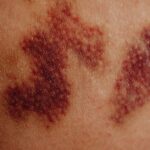
Other common symptoms include nausea, vomiting, sensitivity to light, confusion, and drowsiness. A rash may appear with meningococcal meningitis. It often looks like tiny red or purple spots that do not fade when pressed with a glass. This rash is a red flag and requires immediate attention.
In infants, symptoms are harder to read. A baby may be irritable, feed poorly, have a high-pitched cry, or have a bulging soft spot on the skull. In older adults, confusion and lethargy may be the main signs. If someone is unusually hard to wake or seems confused after a fever and headache, do not wait. Go to the emergency room.
How Do Doctors Confirm the Diagnosis?
The only way to confirm bacterial meningitis is a lumbar puncture, also called a spinal tap. A doctor inserts a needle between the lower vertebrae to collect cerebrospinal fluid. That fluid is tested for bacteria, white blood cells, and glucose levels.
Before the spinal tap, doctors usually order blood cultures and a CT scan of the head. The CT scan checks for swelling or masses that could make a spinal tap dangerous. Blood cultures help identify the bacteria even if the spinal fluid does not grow anything.
Treatment often starts before the spinal tap is done. If a doctor suspects bacterial meningitis, antibiotics are given immediately, sometimes in the emergency room. Waiting for test results before starting antibiotics can be dangerous. The priority is treating the infection, not waiting for confirmation.




What Is the Standard Treatment for Bacterial Meningitis?
Treatment begins with intravenous antibiotics given in the hospital. The choice of antibiotic depends on the patient’s age, health history, and the likely bacteria. Common options include ceftriaxone, cefotaxime, or ampicillin. Vancomycin is often added to cover resistant strains of pneumococcus.
Doctors also give corticosteroids, usually dexamethasone. These reduce inflammation in the brain. Studies have shown they improve outcomes, especially in adults with pneumococcal meningitis. They are given before or with the first dose of antibiotics.
Supportive care is just as important. Patients may need oxygen, IV fluids, and medications to control fever or seizures. Blood pressure is monitored closely. In severe cases, patients are moved to the intensive care unit.
Antibiotics are given for 7 to 21 days, depending on the bacteria. Meningococcal meningitis usually needs about 7 days. Listeria and some other bacteria require longer courses. The full treatment happens in the hospital, not at home.
How Long Does Recovery Take?
Recovery varies widely. Some people leave the hospital in about two weeks with no lasting problems. Others face weeks of rehabilitation. The biggest factor is how quickly treatment started after symptoms appeared.
Even with prompt treatment, some patients develop complications. Hearing loss is one of the most common. It can be temporary or permanent. Seizures, memory problems, and difficulty concentrating can also occur. Some people have weakness or coordination issues that improve slowly over months.
A small number of patients develop more serious complications like brain swelling, stroke, or sepsis. These can be life-threatening even with the best care. The risk is higher in newborns, older adults, and people with weakened immune systems.
After leaving the hospital, follow-up care matters. Hearing tests are recommended for anyone who had bacterial meningitis. Neurological follow-up helps track recovery. Some patients need physical therapy or speech therapy to regain lost skills.
Can Bacterial Meningitis Be Prevented?
Vaccines are the most effective prevention. Several vaccines protect against the most common bacterial causes. The meningococcal vaccine protects against Neisseria meningitidis. The pneumococcal vaccine protects against Streptococcus pneumoniae. Both are part of routine childhood vaccination schedules in the United States.
Adults with certain health conditions or those traveling to high-risk areas may need boosters. The CDC recommends a meningococcal booster for teens and young adults. Older adults may need pneumococcal vaccination if they did not receive it earlier.
Close contacts of someone with meningococcal meningitis may need preventive antibiotics. This includes household members, roommates, and anyone who had direct contact with the patient’s saliva. The health department usually coordinates this. It is not needed for viral meningitis.
Good hygiene helps reduce spread. Washing hands frequently, not sharing drinks or utensils, and covering coughs and sneezes all reduce risk. These habits matter most in crowded settings like dormitories and military barracks.
What Happens If Treatment Is Delayed?
Delayed treatment is the single biggest risk factor for poor outcomes. Bacterial meningitis can progress from mild symptoms to life-threatening illness in less than 24 hours. The bacteria multiply quickly in the spinal fluid, and the immune response adds to the damage.
Without antibiotics, the infection can cause permanent brain damage, hearing loss, or death. Even with antibiotics, outcomes are worse when treatment starts late. Studies consistently show that early antibiotic administration is linked to better survival and fewer complications.
This is why doctors do not wait for test results. If meningitis is suspected, antibiotics are given immediately. It is better to treat someone who turns out to have viral meningitis than to delay treatment for someone with the bacterial form.
Frequently Asked Questions
Can bacterial meningitis be treated at home?
No. Bacterial meningitis always requires hospital care with intravenous antibiotics and close monitoring. Home treatment is not safe because the infection can worsen rapidly.
How quickly do you need treatment for bacterial meningitis?
Treatment should start as soon as possible, ideally within hours of symptoms appearing. Delays of even a few hours increase the risk of brain damage or death.
Is bacterial meningitis contagious?
Yes, but only through close contact with respiratory droplets, like coughing or kissing. Casual contact, such as being in the same room, does not spread it.
Can you fully recover from bacterial meningitis?
Many people fully recover, especially with early treatment. Some experience lasting effects like hearing loss, memory problems, or seizures that require ongoing care.
