
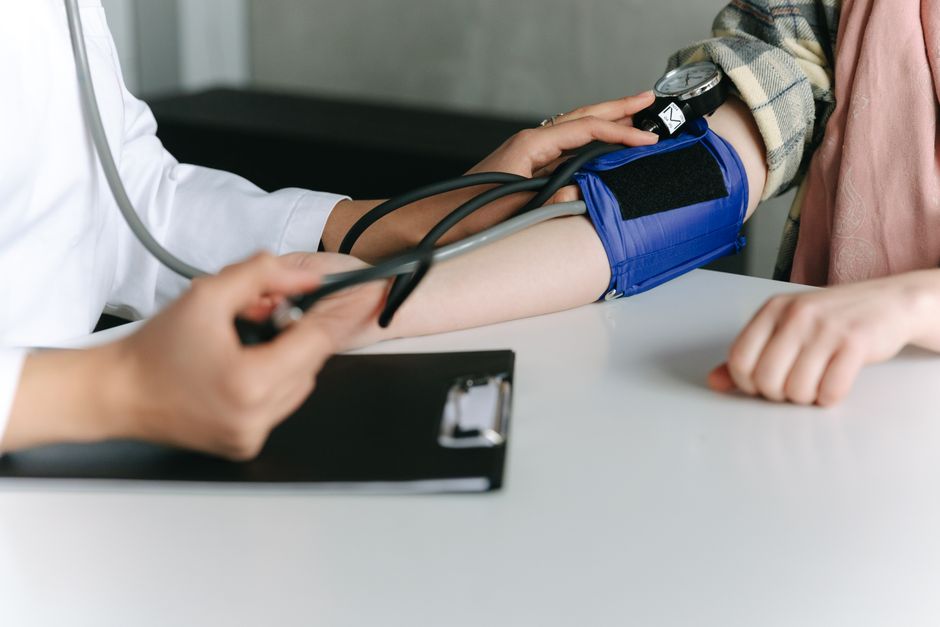
A stage 1 pressure ulcer is the earliest warning sign of skin damage from pressure. At this stage, the skin is not broken. It looks like a red or discolored patch that does not turn white when you press it. Treating it now means taking pressure off the area, keeping the skin clean and protected, and checking it every day. Most stage 1 ulcers heal when the pressure is removed, often within a few days to a few weeks. If the skin breaks open or the redness spreads, that is a sign to get medical help.
What Makes A Stage 1 Pressure Ulcer Different From Later Stages?
Staging describes how deep the damage goes. A stage 1 ulcer is damage you can see but not yet an open wound. The skin stays intact.
The key feature is that the red or discolored area does not blanch. That means when you press on it with a finger, the color stays instead of turning white and then flushing back. In people with darker skin tones, the patch may look purple, blue, or darker than the surrounding skin rather than red. This is one reason pressure ulcers get missed in people with darker skin.
At stage 2, the skin is broken. There may be a shallow open sore or a blister. From there, stages 3 and 4 involve deeper damage into fat, muscle, or bone. A stage 1 ulcer is the only stage where the skin surface is still whole. That is exactly why it is the best chance to stop the problem before it becomes an open wound.
One thing worth knowing: staging is not a straight line. A stage 1 ulcer can heal, or it can progress. It can also appear suddenly. In many cases the damage started underneath the skin before you ever saw the surface change.
How To Treat A Stage 1 Pressure Ulcer And Aid Healing
The single most important treatment is removing pressure from the area. Everything else supports that.
Pressure ulcers form when skin and tissue are squeezed between a bone and a hard surface for too long. That pressure cuts off blood flow. Without blood flow, tissue is starved of oxygen and starts to break down. Take the pressure away and blood flow can return, which allows the tissue to recover.
Here is what that looks like in practice:
- Change position often. For people who are bedbound, repositioning on a regular schedule is the core of both prevention and healing. For people who use a wheelchair, shifting weight frequently matters. Ask a clinician to set a specific schedule based on the person’s needs.
- Use the right support surface. A mattress or cushion designed to reduce pressure can lower the load on vulnerable spots. Not every product works equally, and some are far more expensive than others. A clinician or wound care specialist can help match the surface to the person.
- Keep skin clean and dry. Gently clean the area with a mild cleanser and water. Pat dry. Do not rub. Moisture from sweat, urine, or stool weakens skin and makes damage more likely.
- Protect the area. Avoid massaging the red patch. Rubbing already-stressed tissue can cause more harm. Some clinicians use a thin protective dressing to reduce friction and shear, though the evidence for this at stage 1 is limited.
- Support nutrition and hydration. Healing tissue needs protein, fluids, and nutrients. Poor nutrition is a well-established risk factor for pressure ulcers and for slower healing. A clinician or dietitian can assess whether intake is adequate.
Do not apply heat, and do not use over-the-counter creams or ointments on intact skin unless a clinician recommends them. There is no evidence that rubbing a stage 1 ulcer makes it better. It can make it worse.
How Long Does A Stage 1 Pressure Ulcer Take To Heal?
When pressure is fully removed, many stage 1 ulcers improve within a few days. Some take longer.
Timelines vary a lot from person to person. The biggest factors are how completely the pressure is relieved and how healthy the person’s circulation, nutrition, and overall condition are. Someone who is mobile and well-nourished may see the redness fade quickly. Someone who is immobile, malnourished, or has poor circulation may heal slowly or not at all without more support.
Watch for these signs that it is not healing and needs medical attention:
- The skin breaks open or a blister forms.
- The redness spreads or gets darker.
- The area becomes warm, swollen, or painful.
- There is drainage, a bad smell, or a fever.
These can indicate infection or progression to a deeper stage. That is not a wait-and-see situation.



Who Is Most At Risk And Why?
Pressure ulcers do not happen to everyone equally. Certain conditions make skin far more vulnerable to pressure damage.
People who cannot move easily are at the highest risk. That includes people who are bedbound, use a wheelchair, or have limited mobility from illness, injury, or surgery. When you cannot shift your own weight, pressure builds up in the same spots.
Other well-established risk factors include:
- Poor nutrition and dehydration
- Loss of bowel or bladder control, which keeps skin wet
- Reduced sensation, which means a person may not feel the warning pain or discomfort
- Poor circulation or conditions that affect blood flow
- Older age, because skin becomes thinner and more fragile
- Previous pressure ulcers, which raise the risk of new ones
Common locations are the spots where bone sits close to the skin. That includes the tailbone, heels, hips, and the base of the spine. Heels are easy to overlook and are a frequent site of damage.
One detail that often gets missed: people with reduced sensation may not feel a stage 1 ulcer forming. That is why regular skin checks matter more than relying on the person to notice discomfort.
What Should You Check For Every Day?
Daily skin checks catch problems early, when they are easiest to fix. A stage 1 ulcer is a visual finding, so looking is the main tool.
Check the high-risk areas every day, especially the tailbone, heels, hips, and any spot that rests against a hard surface. Look for:
- Red, purple, blue, or darker patches that do not fade when pressed
- Areas that feel warmer or cooler than the skin around them
- Swelling, firmness, or a change in skin texture
- Any new break in the skin
If the person has darker skin, compare the area to the surrounding skin and to the matching spot on the other side of the body. A color change that stands out is worth noting.
Keep a simple record. Note where the spot is, what it looks like, and whether it is changing. This helps a clinician see the pattern and adjust care.
When Should You Get Medical Help?
Get medical help if the skin breaks open, if the redness spreads or deepens, or if there are signs of infection such as warmth, swelling, pus, a bad smell, or fever. A stage 1 ulcer that does not improve after a few days of pressure relief should also be checked.
Some people should be assessed sooner. Anyone who is bedbound or uses a wheelchair, anyone with diabetes or poor circulation, and anyone who is malnourished should have a clinician involved early. These factors make healing harder and progression more likely.
Wound care specialists and clinicians who manage pressure injuries can recommend specific support surfaces, repositioning schedules, and dressings. Nutrition support may also be part of the plan. The right combination depends on the individual, so there is no single routine that fits everyone.
Frequently Asked Questions
Can a stage 1 pressure ulcer heal on its own?
Yes, it can heal on its own if pressure is removed from the area and the skin is kept clean and protected. Healing is slower or may not happen if the person cannot be repositioned or has poor nutrition or circulation.
Should you massage a stage 1 pressure ulcer?
No, you should not massage the red or discolored area. Rubbing already-stressed tissue can cause more damage, so the focus should be on relieving pressure instead.
How can you tell a stage 1 pressure ulcer from a normal red mark?
A stage 1 ulcer does not turn white when you press on it, while a normal red mark usually fades and then returns. In darker skin, the patch may look purple, blue, or darker rather than red.
When does a stage 1 pressure ulcer become an emergency?
It needs urgent medical attention if the skin breaks open, the redness spreads, or you see signs of infection like warmth, swelling, drainage, a bad smell, or fever. These signs suggest the wound is worsening or infected.
