
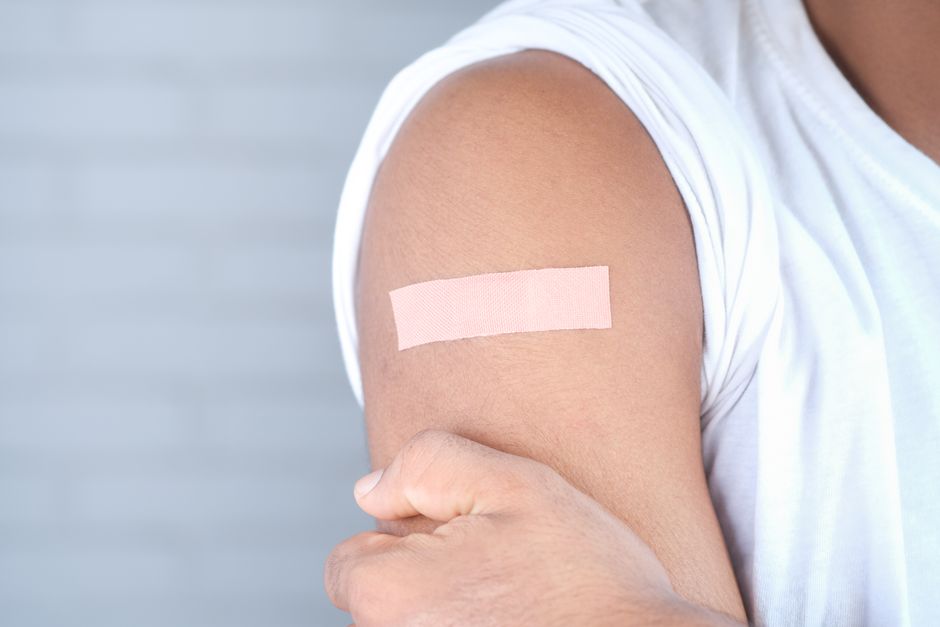
A sore arm after a vaccination is one of the most common side effects, and it is usually a sign that your immune system is responding to the vaccine. The pain, swelling, and redness at the injection site typically begin within hours and peak around 24 to 48 hours later. For most people, the discomfort resolves on its own within a few days. You can treat the soreness at home with a cold compress, gentle movement, and over-the-counter pain relievers if needed.
Why Does Your Arm Get Sore After a Shot?
The soreness is not an accident. It is the result of your immune system doing its job. When a vaccine is injected into the deltoid muscle of your upper arm, your body recognizes the vaccine components as foreign. This triggers an immune response, which includes increased blood flow to the area and the release of immune cells.
This localized inflammation causes the classic symptoms you feel: pain, swelling, redness, and warmth at the injection site. The muscle itself can also feel achy because the needle has passed through muscle tissue. This reaction is a normal part of the body’s process of building immunity. The absence of a sore arm does not mean the vaccine did not work, but when it does happen, it is a sign that your immune system is actively responding.
What Is the Fastest Way to Relieve the Pain?
For immediate relief, apply a clean, cold compress to the area. You can use an ice pack wrapped in a thin towel or even a bag of frozen vegetables. Apply it for 10 to 15 minutes at a time. The cold numbs the area and reduces swelling by constricting blood vessels.
After the first 24 hours, some people find that a warm compress feels better. Heat helps relax the muscle and can ease the achiness. Use a warm, not hot, towel or heating pad for 10 to 15 minutes. Listen to your body. If cold feels better, keep using cold. If warmth feels better, switch to that.
Should You Move Your Arm or Keep It Still?
Gentle movement helps. Keeping your arm completely still can cause stiffness and make the soreness last longer. Slow, deliberate movement increases blood flow to the area, which can help disperse the vaccine and reduce localized swelling.
Try simple exercises like arm circles, pendulum swings, or slowly raising your arm overhead. The key word is gentle. Do not lift heavy weights or do intense upper-body workouts for a day or two. Overworking the muscle can increase inflammation and make the pain worse. A light stretch or normal daily activities are usually enough to keep the arm from stiffening up.



Can You Take Pain Relievers After Vaccination?
Yes, you can take over-the-counter pain relievers after vaccination to manage discomfort. Both acetaminophen and ibuprofen are effective at reducing pain and swelling at the injection site. Follow the dosing instructions on the package label.
There is a long-standing question about whether taking these medications before a vaccine might reduce the immune response. The evidence on this is mixed. Some research suggests that taking pain relievers before vaccination may slightly lower antibody levels, but the clinical significance of this is not fully established. The current practical guidance is to avoid taking them preemptively before the shot unless you have a specific medical reason. Taking them after the shot, when you actually have pain, is considered reasonable and is widely accepted in clinical practice. If you have any underlying health conditions or take other medications regularly, ask your doctor or pharmacist whether a specific pain reliever is appropriate for you.
What Home Remedies Actually Work?
Several simple home measures can genuinely help. Beyond the cold and warm compresses, consider these options:
- Keep the arm moving with normal daily activities to prevent stiffness.
- Avoid tight clothing or anything that rubs against the injection site.
- Elevate the arm slightly when resting, if it feels swollen.
- Stay hydrated and get adequate rest to support your overall recovery.
Some people recommend arnica gel or other topical creams. The evidence for these is limited. Topical arnica is generally considered safe, but no large clinical trials have confirmed that it speeds up recovery from vaccine-related soreness. If you try it, use it as directed, but do not expect dramatic results. The same applies to essential oils or herbal balms. They are not harmful in most cases, but they have not been proven to reduce vaccine arm pain specifically.
When Should You See a Doctor?
Most vaccine arm soreness resolves within 3 to 5 days. You should contact a doctor if the pain is severe, if it does not improve after a few days, or if it gets worse instead of better.
Seek medical attention right away if you notice any of the following signs:
- Redness or swelling that spreads beyond the injection site
- A hard, painful lump that grows larger
- Fever higher than 101°F (38.3°C)
- Signs of an allergic reaction, such as hives, difficulty breathing, or swelling of the face or throat
- Pain that interferes with your ability to move your arm normally
These symptoms are rare, but they warrant evaluation. A spreading infection or a severe allergic reaction requires prompt medical care. Do not wait to see if it passes on its own.
Is It Safe to Exercise After a Vaccine?
Light exercise is generally safe and can even be beneficial. A gentle walk or stretching routine is fine. Exercise increases blood circulation, which may help reduce muscle stiffness.
Avoid strenuous upper-body workouts for the first 24 to 48 hours. Heavy lifting, push-ups, or intense resistance training can aggravate the injection site and prolong soreness. If you feel feverish, fatigued, or generally unwell after the vaccine, rest is more appropriate than exercise. Listen to your body. If the arm hurts, give it a break from intense activity.
Does a Sore Arm Mean the Vaccine Is Working?
A sore arm is a common reaction, but its absence does not mean the vaccine failed. People respond to vaccines differently. Some people have significant arm soreness, while others feel nothing at all. Both responses can produce a strong immune reaction.
Research consistently shows that the immune response to vaccines is robust regardless of whether visible side effects occur. The soreness is a byproduct of the immune process, not the measure of its success. Do not be concerned if you have no arm pain. It does not indicate a weaker immune response.
What About the Flu Shot or COVID-19 Boosters?
The treatment approach is the same for all injectable vaccines. Whether you received a flu shot, a COVID-19 vaccine, a tetanus booster, or a shingles vaccine, the sore arm management is identical. Cold compresses, gentle movement, and over-the-counter pain relievers are appropriate for all of them.
Some vaccines are more likely to cause arm soreness than others. For example, the shingles vaccine and some COVID-19 vaccines are associated with higher rates of injection site reactions. This is not a cause for alarm. It simply reflects the specific ingredients and adjuvants in each vaccine. The treatment remains the same.
Frequently Asked Questions
How long does a sore arm last after vaccination?
Most soreness peaks at 24 to 48 hours after the shot and resolves within 3 to 5 days. If the pain lasts longer than a week or gets worse, contact your doctor.
Can I take ibuprofen for vaccine arm pain?
Yes, you can take ibuprofen or acetaminophen after the shot to relieve pain and swelling. Follow the dosing instructions on the label and ask a pharmacist if you have any medical conditions.
Should I put ice or heat on a sore arm after a shot?
Use a cold compress for the first 24 hours to reduce swelling. After that, a warm compress can help relax the muscle and ease achiness.
Is it normal for the arm to be red and swollen after a vaccine?
Yes, mild redness, swelling, and warmth at the injection site are normal and expected. Contact a doctor if the redness spreads beyond the injection site or if the swelling gets worse after a few days.
