
A rotten tooth cannot be fixed at home. No rinse, paste, or over-the-counter product can remove decayed tooth structure or kill the infection inside a tooth. What you can do temporarily is manage pain and swelling, keep the area clean, and get to a dentist quickly. Home care is a bridge to treatment, not a substitute for it.
That distinction matters more than most people realize. A tooth that looks black, feels loose, or drains pus is a tooth with an active infection. Left alone, that infection can spread beyond the tooth into the jaw, face, and in rare cases the bloodstream. The steps below can help you stay comfortable and lower the risk of complications until you are seen. They will not cure the problem.
What Actually Happens Inside a Rotten Tooth?
Tooth decay is a process, not an event. Bacteria in your mouth feed on sugars and produce acid. That acid dissolves the hard outer layer of the tooth, the enamel. Once decay reaches the softer dentin underneath, it moves faster. If it reaches the pulp — the inner chamber holding nerves and blood vessels — the tooth becomes infected.
This is where the pain often changes character. Early decay is frequently painless. Once the pulp is involved, you may get sharp pain with hot or cold, throbbing that wakes you at night, or a constant ache. When the nerve dies, pain can briefly fade. That quiet period is not healing. The infection is still there and can spread out the bottom of the root into the surrounding bone.
At that stage, a pocket of pus called an abscess can form. Signs include a bad taste, swelling in the gum or face, and pain when you bite down. A tooth that has reached this point needs professional treatment. There is no home method that reverses it.
How To Treat A Rotten Tooth At Home Temporarily?
Home measures can reduce pain and keep the area clean while you wait for an appointment. They do not treat the decay or the infection itself. Think of them as comfort care and hygiene, nothing more.
- Saltwater rinse. Dissolve about half a teaspoon of salt in a glass of warm water and swish gently. This helps clear debris and can soothe swollen gum tissue. Do not swallow it.
- Over-the-counter pain relievers. Ibuprofen and acetaminophen are the standard options for dental pain. Follow the label exactly. Do not place a pill directly against the gum — it can burn the tissue.
- Cold compress. A cloth-wrapped cold pack on the outside of your cheek for short periods can ease swelling. Never put ice directly on the gum.
- Clove oil. This is a traditional remedy and one of the few with some supporting evidence for temporary pain relief. It can irritate tissue, so dilute it and use it sparingly.
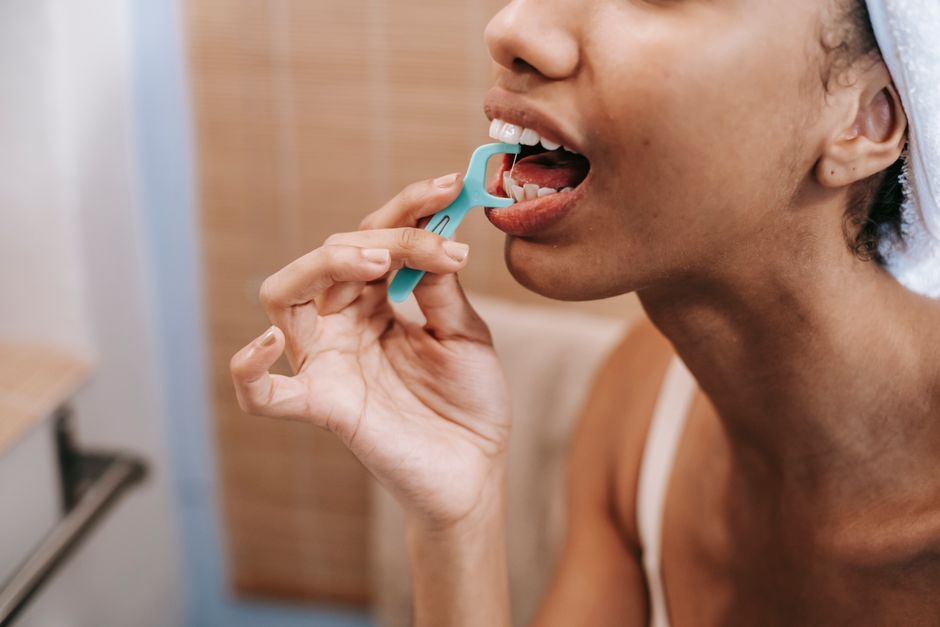
- Gentle brushing and flossing. Keep the area clean, but avoid scrubbing a painful tooth.
Avoid very hot, very cold, and very sweet foods, since they tend to trigger pain in an inflamed tooth. Chew on the other side when you can.
Which Home Remedies Do Not Work?
Several widely shared remedies have no evidence behind them and some can cause harm. It is worth knowing which ones to skip.
Placing an aspirin tablet on the gum does not help the tooth and can create a chemical burn on the tissue. Do not do this. Crushed garlic, baking soda pastes, and hydrogen peroxide soaks are often promoted online, but no clinical evidence shows they stop decay or clear a dental infection. Hydrogen peroxide can irritate gum tissue if used too often or too strong.
Antibiotics are another common misunderstanding. If a dentist or doctor prescribes them, they may help control a spreading infection, but they do not remove decayed tooth structure. The tooth still needs treatment. Taking leftover antibiotics from a previous illness is not appropriate and can be unsafe.
Oil pulling with coconut or sesame oil is sometimes claimed to reverse cavities. Some studies suggest it may reduce certain bacteria in the mouth, but there is no evidence it repairs an existing cavity or treats an infected tooth.





When Is a Rotten Tooth a Medical Emergency?
Some signs mean you should seek urgent care rather than wait for a routine appointment. A dental infection can spread, and in rare cases it becomes life-threatening.
Get help right away if you have:
- Swelling that spreads to your eye, jaw, or neck
- Trouble swallowing or breathing
- A fever along with the tooth problem
- Severe pain that pain relievers do not touch
- A foul taste or drainage of pus
Swelling that closes an eye or pushes on the throat is serious. So is any difficulty breathing. These are signs the infection may be moving into deeper tissue, and they call for emergency evaluation, not home care.
What Will a Dentist Do That You Cannot Do At Home?
A dentist can do the one thing home care cannot: remove the source of the infection. Depending on how far the decay has gone, options include a filling, a root canal, or removal of the tooth.
A root canal cleans out the infected pulp, seals the inside of the tooth, and often saves it. If the tooth cannot be saved, extraction removes the source entirely. In some cases a dentist will prescribe antibiotics before treatment to get a spreading infection under control. The specific choice depends on how much healthy tooth remains and whether the infection has reached the bone.
This is why home care has a hard limit. You can manage symptoms, but you cannot remove decay or clear an infection inside a tooth. Only a dental procedure does that.
Can You Prevent a Tooth From Getting Worse While You Wait?
You can slow things down and protect the rest of your mouth, but you cannot stop active decay on your own. The goal while waiting is to avoid making things worse.
Keep the area clean with gentle brushing twice a day and daily flossing. Cut back on sugary and acidic drinks, which feed the bacteria. Drink water, especially after eating. Avoid chewing hard foods on that side, since a weakened tooth can crack.
Do not poke at the tooth with sharp objects or try to scrape out decay yourself. This can damage gum tissue or push bacteria deeper. If you notice the tooth is loose or a piece breaks off, get seen sooner rather than later.
One honest point about prevention for the future: once a tooth has decayed, the same habits that caused it will affect other teeth. Regular dental checkups catch decay early, when it is simple and less costly to treat. That is the real long-term answer, even though it does not help the tooth that hurts right now.
Frequently Asked Questions
Can a rotten tooth heal on its own?
No. Tooth decay and dental infections do not heal without treatment because the body cannot rebuild lost tooth structure or clear an infection sealed inside a tooth. Home care can ease symptoms but cannot reverse the problem.
What is the fastest way to stop tooth pain at home?
An over-the-counter pain reliever such as ibuprofen or acetaminophen, used exactly as directed, is the most reliable temporary option. A cold compress and a saltwater rinse can help with swelling and debris while the medication takes effect.
Can I put a crushed aspirin on my gum for tooth pain?
No. Placing aspirin directly on the gum does not relieve the tooth and can burn the tissue, causing a chemical injury. Swallow it as directed on the label instead.
How long can I safely wait before seeing a dentist?
There is no safe waiting period for a tooth with active infection, so see a dentist as soon as you can. Seek emergency care immediately if you have facial swelling, fever, or trouble swallowing or breathing.
