
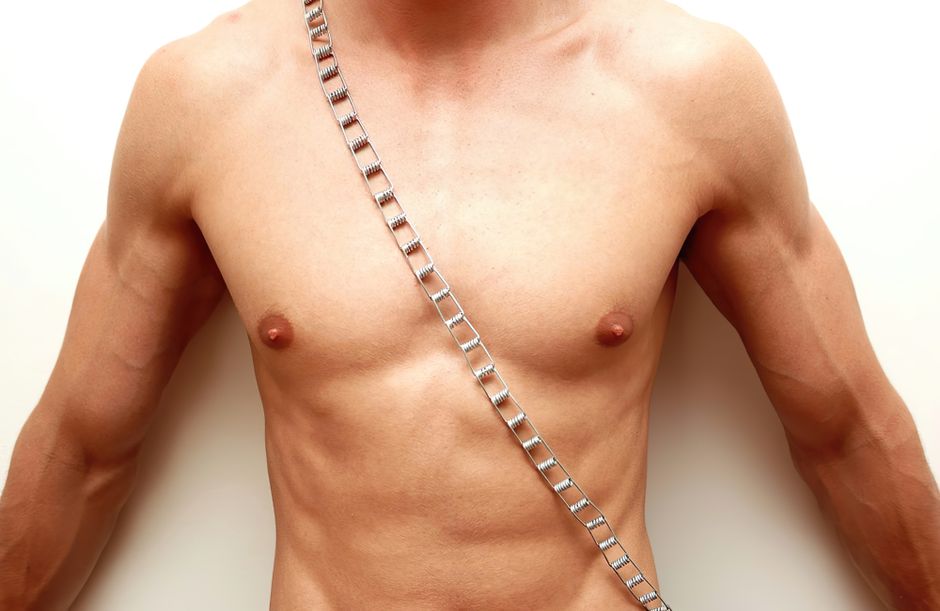
A pulled chest muscle hurts, and it can make you worry something is wrong with your heart. The good news is most chest muscle strains heal on their own with rest and basic care. Treatment focuses on reducing pain and swelling at first, then slowly returning to normal movement. Ice, gentle stretching, and over-the-counter pain relievers are the main tools. Most people feel better within two to six weeks.
How Do You Know It Is a Pulled Chest Muscle and Not Something Else?
Chest pain is scary because it can signal a heart problem. But a pulled muscle has clear signs that are different from heart issues. The pain from a muscle strain gets worse when you move your upper body, twist, or take a deep breath. It also hurts when you press on the specific sore spot. Heart pain often feels like pressure or squeezing and may spread to your arm or jaw.
Research published in the American Heart Association journal Circulation notes that chest wall tenderness is one of the best signs that the pain is not from the heart. If you can point to one exact spot that hurts when you push on it, that is likely a muscle issue. If you feel dizzy, short of breath, or have pain that moves down your left arm, those are red flags. Go to the emergency room immediately if you have any doubt.
A pulled chest muscle usually happens after a specific event. You might have lifted something heavy, done push-ups, or coughed hard. The pain starts right away or within a few hours. Heart pain can come on without any clear cause. The CDC reports that about 5.5 million people visit emergency rooms for chest pain each year, and most of those are not heart attacks. But it is always better to check.
What Is the First Thing You Should Do for a Pulled Chest Muscle?
Stop whatever caused the pain. Continuing to lift or twist will make the injury worse. The first 48 hours are about managing swelling and stopping further damage. Ice is the most effective tool during this early phase. Apply an ice pack wrapped in a thin cloth to the sore area for 15 to 20 minutes every two to three hours.
Rest does not mean lying in bed completely still. It means avoiding the movements that cause pain. If reaching overhead hurts, do not reach overhead. If turning in bed hurts, roll slowly and support your chest with a pillow. The American Academy of Orthopaedic Surgeons recommends using a pillow under your arm on the affected side when you sit or lie down. This keeps the muscle in a neutral position and reduces strain.
Avoid heat during the first 48 hours. Heat increases blood flow and can make swelling worse. Ice reduces blood flow to the area and numbs the pain. This is a common mistake people make. They reach for a heating pad because it feels good, but it can actually delay healing in the first few days.
How To Treat A Pulled Chest Muscle With Medication and Support
Over-the-counter pain relievers help with the discomfort and inflammation. Ibuprofen (Advil, Motrin) and naproxen (Aleve) are nonsteroidal anti-inflammatory drugs, or NSAIDs. They reduce swelling and pain. Acetaminophen (Tylenol) relieves pain but does not reduce inflammation. Research from the Cochrane Database of Systematic Reviews found that NSAIDs are more effective than acetaminophen for muscle strains, but both are reasonable options.
Follow the dosage instructions on the bottle. Do not take NSAIDs for more than 10 days without talking to a doctor. They can cause stomach problems and kidney issues with long-term use. If you have high blood pressure, kidney disease, or a history of stomach ulcers, talk to your doctor before taking any NSAID.
Supportive wrapping can help. An elastic bandage around your rib cage, not too tight, can remind you not to move in ways that hurt. Do not wrap it so tight that it restricts your breathing. You should be able to take a full, deep breath without the bandage digging into your skin. Some people find that wearing a soft brace designed for chest or rib injuries gives them confidence to move more normally.


When Should You Start Moving and Stretching?
After the first 48 to 72 hours, gentle movement helps recovery. Complete rest for too long can make the muscle stiff and weak. The goal is to start moving without causing more pain. Begin with gentle range-of-motion exercises. Slowly raise your arms to the side, only as high as feels comfortable. Do not push through sharp pain.
Doorway stretches are a common recommendation from physical therapists. Stand in a doorway with your forearms on the door frame at shoulder height. Lean forward slightly until you feel a gentle stretch across your chest. Hold for 15 to 30 seconds. Do this two to three times a day. Some studies suggest that gentle stretching within the first week reduces recovery time compared to complete inactivity.
Deep breathing exercises also help. Your chest muscles are involved in breathing, so taking slow, deep breaths can maintain flexibility. Sit up straight, place your hands on your ribs, and breathe in slowly through your nose. Feel your ribs expand. Exhale fully through your mouth. Do five to ten breaths several times a day. This also helps prevent shallow breathing, which can lead to lung problems if you avoid deep breaths for too long.
What Treatments Should You Avoid?
Many viral health trends claim to speed up muscle healing, but the evidence is weak for most of them. Kinesiology tape is widely promoted for muscle strains. Some people report feeling better with it, but a 2021 review in the Journal of Orthopaedic and Sports Physical Therapy found that kinesiology tape does not significantly improve recovery time for muscle strains compared to standard care. It may help with pain perception for some people, but it is not a treatment that changes how fast the muscle heals.
Massage guns are another popular tool. Using a percussion massager on a freshly pulled chest muscle can actually increase inflammation and delay healing. The muscle fibers are already damaged, and aggressive vibration can make the microtears worse. Wait until the pain is mostly gone before using any deep pressure on the area. Even then, keep the intensity low.
Avoid heavy lifting and intense exercise until you can move without pain. Returning to your full workout too soon is the most common reason people re-injure themselves. A good rule of thumb is that if the pain returns during an activity, you are not ready for that activity yet. Scale back and try again in a few days.
The table below compares common treatment options for a pulled chest muscle based on what the evidence shows.
| Treatment | Best Time to Use | What the Evidence Says |
|---|---|---|
| Ice packs | First 48 hours | Reduces swelling and pain. Strong evidence supports use. |
| NSAIDs (ibuprofen, naproxen) | First week as needed | Reduces inflammation and pain. More effective than acetaminophen for strains. |
| Gentle stretching | After 48-72 hours | Helps maintain range of motion. Some evidence shows faster recovery. |
| Kinesiology tape | Any time | Limited evidence for faster healing. May help some people with pain perception. |
| Massage guns | Only after pain resolves | Risk of increasing inflammation if used too early. No strong evidence for faster recovery. |
| Complete rest | First 48 hours | Necessary early on. Prolonged rest beyond a few days can delay recovery. |
How Long Does Recovery Take and When Should You See a Doctor?
Most pulled chest muscles heal within two to six weeks. Mild strains where only a few muscle fibers are stretched may feel better in a week or two. Moderate strains with partial tearing can take three to six weeks. Severe strains where the muscle is completely torn are rare in the chest and usually require medical evaluation.
You should see a doctor if the pain does not improve after a week of home treatment. Also see a doctor if you have trouble breathing, if the pain gets worse instead of better, or if you notice bruising or swelling that spreads. A doctor can rule out a rib fracture or a more serious muscle tear. They might recommend physical therapy if the strain is severe or if you have had multiple chest muscle injuries.
Physical therapy for a pulled chest muscle focuses on strengthening the surrounding muscles, improving posture, and teaching you how to move without straining the injured area. A therapist can also check if your breathing pattern or shoulder mechanics contributed to the injury in the first place. This is especially helpful for people who get recurring chest muscle strains from sports or heavy lifting.
As of 2026, there is no clinical evidence that supplements like collagen peptides or vitamin C speed up muscle strain recovery in people who are not deficient. A balanced diet with enough protein supports general healing, but no specific supplement has been proven to make a pulled chest muscle heal faster. Save your money on that front.
Frequently Asked Questions
Can I sleep on my side with a pulled chest muscle?
Sleeping on the injured side usually increases pain. Try sleeping on your back with a pillow under your arm on the sore side for support.
Is it safe to exercise with a pulled chest muscle?
No, not until the pain is gone. Light stretching is okay after the first few days, but any exercise that causes pain should be stopped.
How do I know if my chest pain is a muscle strain or a heart attack?
Muscle pain gets worse with movement and you can point to one tender spot. Heart pain feels like pressure, may spread to the arm or jaw, and can come with shortness of breath.
Can a pulled chest muscle cause shortness of breath?
Yes, because breathing deeply hurts. This can make you take shallow breaths, which can feel like shortness of breath. If you feel breathless without chest pain, see a doctor.
