
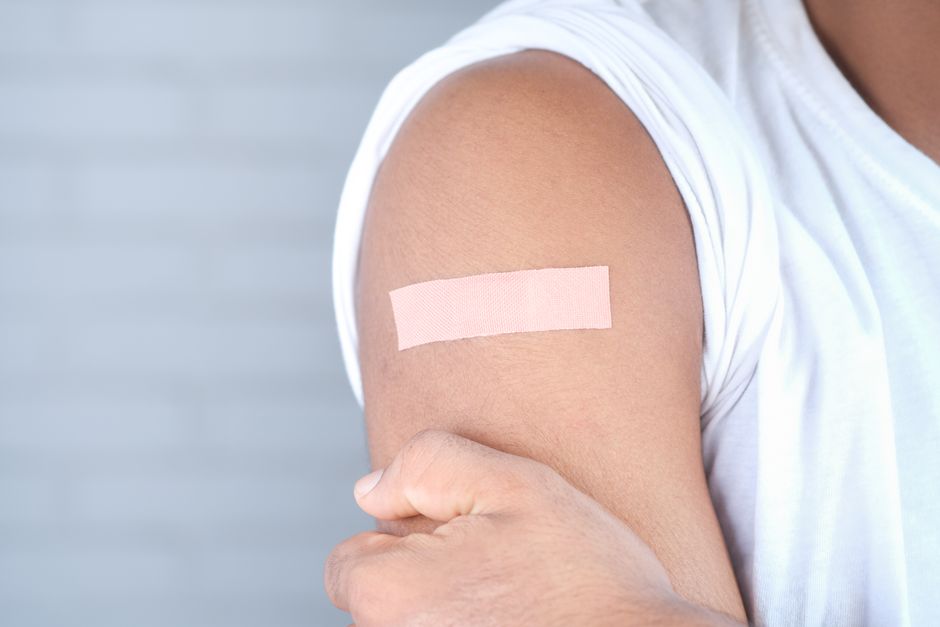
Lumps after vaccination are common and usually harmless. Most are small, firm areas at the injection site that appear within hours and fade within a few days to a week. You can treat most of them at home with a cool compress, gentle movement of the arm, and over-the-counter pain relief if needed. See a doctor if the lump grows large, becomes very painful, feels hot, or does not improve after a couple of weeks.
What Causes a Lump After Vaccination?
Your body responds to a vaccine by activating your immune system. That response often includes local inflammation at the injection site. The inflammation brings fluid and immune cells to the area, which can create a firm bump or swelling.
There are two common types of lumps. The first is simple swelling and redness from the injection itself. The second is a delayed hypersensitivity reaction, sometimes called a “COVID arm” when it follows mRNA vaccines. That type usually appears a few days after the shot and can be itchy, red, and warm. Both types are normal immune responses and typically resolve on their own.
In some cases, a lump forms because the vaccine was injected too shallowly into the skin rather than into the muscle. This is called a subcutaneous injection. It is not dangerous, but it can cause a larger and more visible reaction that takes longer to fade.
How To Treat A Lump After Vaccination: Immediate Steps
Start with a clean, cool compress. Apply it to the lump for 10 to 15 minutes at a time, several times a day. The cold reduces blood flow to the area, which helps limit swelling and numbs the discomfort.
Move your arm regularly. Gentle use of the arm — such as normal daily activities or light stretching — helps circulate fluid away from the injection site. Avoid heavy lifting or intense exercise for the first 24 hours if the area is sore.
Over-the-counter pain relievers can help with discomfort. Acetaminophen (Tylenol) and ibuprofen (Advil, Motrin) are common options. If you take ibuprofen, take it with food to reduce stomach irritation. If you are pregnant, have a chronic condition, or take other medications regularly, ask your pharmacist or doctor before taking anything.
Do not massage the lump vigorously. Gentle pressure is fine, but aggressive rubbing can increase inflammation and make the lump worse. Do not apply heat in the first 48 hours. Heat increases blood flow and can worsen swelling. After two days, a warm compress may help if the lump feels firm and is not improving.
When the Lump Is Normal vs. When To Worry
Most vaccine lumps are small — about the size of a pea or a quarter. They are usually tender but not severely painful. The skin over the lump may be red or slightly warm. These are all normal signs of your immune system working.
You should contact a doctor if the lump becomes larger than about two inches across, if the redness spreads beyond the injection site, or if the lump feels hard and does not shrink after two weeks. Also seek medical advice if you develop a fever above 101°F, chills, or a rash elsewhere on your body.
A growing lump that becomes increasingly painful after the first few days is not typical. Neither is a lump that drains fluid or opens up. These signs may indicate an infection or an abscess, which requires medical evaluation.
Severe allergic reactions to vaccines are rare but do occur. Signs include difficulty breathing, swelling of the face or throat, a rapid heartbeat, or dizziness. These symptoms usually appear within minutes to a few hours after vaccination. If you experience any of these, seek emergency medical care immediately.





How Long Does a Vaccine Lump Last?
Most lumps begin to shrink within 48 to 72 hours. Full resolution usually takes about one to two weeks. Some lumps, particularly those from delayed hypersensitivity reactions, can last up to three weeks before completely fading.
The timeline depends on the vaccine and your individual immune response. Some vaccines, such as those containing aluminum adjuvants, are more likely to cause local reactions. Adjuvants are ingredients added to vaccines to strengthen the immune response. They can cause more noticeable swelling at the injection site.
If the lump persists beyond three weeks without shrinking, have it evaluated. Persistent lumps are usually harmless, but a doctor can rule out other causes such as a cyst or a rare injection-site reaction.
Home Care for a Vaccine Lump
Here is a practical summary of what you can do at home:
- Cold compress: Apply for 10 to 15 minutes, several times a day, for the first 48 hours.
- Arm movement: Use the arm normally. Gentle stretching helps.
- Pain relief: Acetaminophen or ibuprofen at standard doses for adults, if needed.
- Loose clothing: Wear sleeves that do not press tightly on the injection site.
- Antihistamine: An oral antihistamine like diphenhydramine (Benadryl) can help if the lump is itchy, especially in delayed reactions. Use only if recommended by a pharmacist or doctor.
Avoid scratching the area even if it itches. Scratching can break the skin and introduce bacteria. If the itch is bothersome, an antihistamine is more effective than topical creams for vaccine-related itching.
Can You Prevent a Vaccine Lump?
You cannot fully prevent a lump after vaccination. The immune response that causes the lump is part of how vaccines work. However, you can reduce the severity of the reaction.
Relax your arm during the injection. A tense muscle makes the injection more uncomfortable and can increase local tissue damage. After the shot, keep your arm moving gently rather than holding it still. Some research suggests that using the injected arm more actively in the hours after vaccination may reduce local reactions, though the evidence is not strong.
Staying well-hydrated and getting adequate rest may help your immune system respond more efficiently, but no clinical evidence confirms that these habits reduce lump formation. Do not take pain relievers before vaccination to prevent soreness. Some studies suggest that pre-treatment with pain medication may slightly reduce the immune response, though the clinical significance is debated. Most vaccine guidelines advise against routine pre-medication.
What Does Not Work for Vaccine Lumps
Some popular remedies have no evidence behind them. Arnica gel, essential oils, and homeopathic preparations have not been shown in clinical studies to reduce vaccine-related swelling. They are unlikely to cause harm when applied to intact skin, but they will not speed up resolution.
Do not squeeze or try to pop the lump. It is not a pimple or a cyst. Squeezing can push inflammation deeper and increase the risk of infection. Do not apply raw onion, garlic, or other food items to the lump. These practices have no medical basis and can irritate the skin.
No study has confirmed that supplements like vitamin C, zinc, or quercetin reduce injection-site reactions. A balanced diet supports overall immune function, but taking high-dose supplements around the time of vaccination has not been shown to change local side effects.
Vaccine Lumps in Children
Children commonly develop lumps after routine vaccinations. The same home care applies: a cool compress, gentle movement, and age-appropriate pain relief if needed. For infants and young children, use acetaminophen or ibuprofen based on the child’s weight and age. Always follow the dosing instructions on the package or those given by your pediatrician.
Do not give aspirin to children or teenagers. Aspirin use in children is linked to Reye’s syndrome, a rare but serious condition that causes swelling in the brain and liver damage. Use acetaminophen or ibuprofen instead.
If your child develops a lump that is larger than two inches, feels unusually hard, or is accompanied by a high fever, contact your pediatrician. Most childhood vaccine lumps resolve without any treatment within a week.
When To Call Your Doctor
Call your doctor if any of the following apply:
- The lump is larger than about two inches across.
- The lump does not start shrinking after two weeks.
- The lump becomes more painful instead of less painful over time.
- Redness spreads beyond a few inches from the injection site.
- You develop a fever above 101°F that lasts more than a day.
- The lump drains fluid or the skin over it breaks open.
These signs are uncommon. Most vaccine lumps are self-limiting and require no medical care at all. But it is always reasonable to call your doctor’s office if you are unsure. A quick phone call can give you peace of mind and help you decide whether an in-person visit is needed.
Frequently Asked Questions
Can I put ice on a vaccine lump?
Yes. Apply a cool, damp cloth or an ice pack wrapped in a towel for 10 to 15 minutes, several times a day. Never place ice directly on the skin because it can cause frostbite.
Should I take pain relievers for a vaccine lump?
Yes, if the lump is painful. Acetaminophen or ibuprofen at standard adult doses can reduce discomfort. Avoid taking pain relievers before the vaccination itself, as this may slightly weaken the immune response.
How long should a vaccine lump last?
Most lumps shrink within 48 to 72 hours and fully resolve in one to two weeks. See a doctor if the lump lasts longer than three weeks or grows instead of shrinking.
Is a hard lump after vaccination dangerous?
No, a firm lump is a normal inflammatory response to the vaccine. It becomes concerning only if it grows large, becomes increasingly painful, or does not improve after two weeks.
