
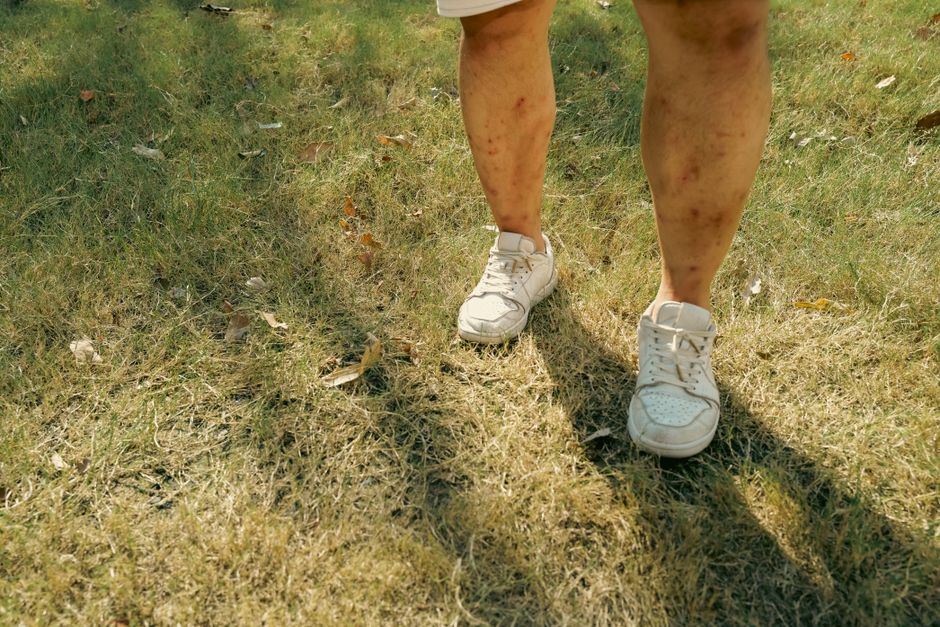
A calf injury can stop you mid-stride and leave you wondering whether to push through or stop completely. The right first move is to stop the activity, protect the leg from further strain, and start relative rest with ice and gentle compression. Most minor calf strains improve with conservative care over days to weeks, but a sudden pop or severe pain needs medical evaluation before you return to activity.
What Actually Happens When You Injure Your Calf?
Your calf is made up of two main muscles. The gastrocnemius is the larger, visible muscle that crosses both the knee and ankle. The soleus sits underneath it and crosses only the ankle. Both merge into the Achilles tendon, which attaches to your heel bone.
A calf injury usually means one of a few things. A muscle strain is a tear in the muscle fibers, ranging from mild (a few fibers) to severe (a complete tear). A contusion is a direct blow that bruises the muscle. Less commonly, the Achilles tendon itself is involved, which is a different and more serious problem.
The mechanism matters for treatment. Strains typically happen during acceleration, pushing off, or sudden changes in direction. The gastrocnemius is most vulnerable when the knee is straight and the ankle is forced to push hard. That is why sprinting and jumping sports produce so many calf strains.
One detail worth knowing: the term “tennis leg” describes a specific injury where the medial head of the gastrocnemius tears near where it meets the Achilles tendon. It is not limited to tennis players. It can happen to anyone who pushes off forcefully.
How Do You Know If It Is a Strain or Something Worse?
Pain location and behavior give useful clues, but they cannot replace a proper exam. A muscle strain usually causes pain in the belly of the calf. An Achilles tendon problem causes pain lower down, closer to the heel.
Here is a simple way to think about the difference. If you can feel a gap or dent in the tendon, or if you cannot push up onto your toes at all, that points toward a tendon rupture and needs urgent medical attention. A partial muscle strain usually still allows some movement, just with pain.
Other signs that warrant prompt evaluation include:
- A sudden pop or snap you felt or heard at the moment of injury
- Severe pain that does not improve with rest and ice over a day or two
- Significant swelling or bruising that appears quickly
- Inability to bear weight on the affected leg
- Numbness, tingling, or a cold feeling in the foot
Swelling and bruising are common with strains and do not automatically mean something severe. But bruising that spreads widely over the first day or two, combined with weakness, deserves a closer look.
One clarification that surprises people: deep vein thrombosis can cause calf pain and swelling. It is not a muscle injury, but it can feel like one. Risk rises with prolonged immobility, recent surgery, or a history of clots. If calf pain comes with warmth, redness, or swelling without a clear injury, get it checked rather than assuming it is a strain.
How To Treat A Calf Injury in the First 48 Hours
The early phase is about limiting damage and controlling pain. The old advice was strict rest, but current thinking has shifted toward relative rest — protecting the area while keeping gentle movement where it does not cause pain.
What to do right after the injury:
- Stop the activity. Do not try to walk it off or stretch through sharp pain.
- Ice. Apply cold packs for about 15 to 20 minutes at a time, several times a day, with a cloth between the ice and your skin.
- Compression. A wrap or compression sleeve can help limit swelling. Keep it snug but not tight enough to cause numbness.
- Elevation. Raising the leg above heart level when resting helps reduce swelling.
- Relative rest. Avoid the activity that caused the injury, but gentle movement within a pain-free range is generally fine.
Avoid heat, alcohol, and deep massage in the first day or two. Heat and massage can increase blood flow and swelling when you are trying to limit it. Some clinicians still recommend anti-inflammatory medications like ibuprofen in the early phase. Evidence on whether these help long-term healing is mixed, and some research suggests they may slightly slow tissue repair. For pain relief, acetaminophen is an option that does not affect inflammation. Ask a pharmacist or clinician if you are unsure what is appropriate for you.
Do not stretch a fresh strain. Stretching torn fibers can make the tear worse. Save gentle stretching for when the acute pain has settled.





What Does Recovery Look Like Week by Week?
Recovery time depends heavily on how severe the strain is. A mild strain might feel noticeably better within a few days to a week. A moderate strain often takes several weeks. A severe strain or complete tear can take months and may need specialist care.
These timelines are general. Individual healing varies with age, overall health, and how well you follow the plan. Pushing too hard too soon is one of the most common reasons people re-injure the same calf.
Signs you are ready to progress:
- Pain-free walking at a normal pace
- No pain with gentle calf activation like a light calf raise
- Swelling and bruising largely resolved
Progression should be gradual. Start with gentle range-of-motion work, then light resistance, then weight-bearing exercises, then sport-specific movement. Each step should be pain-free before moving to the next. A physical therapist can guide this progression, especially for moderate or severe injuries.
When Should You See a Doctor for a Calf Injury?
See a doctor if you cannot bear weight, if the pain is severe, if you heard or felt a pop, or if symptoms are not improving after a week or so of home care. These signs suggest a more significant injury than a simple strain.
Imaging is not always needed. Many muscle strains are diagnosed by history and physical exam alone. An ultrasound or MRI may be ordered if the diagnosis is unclear, if a tendon rupture is suspected, or if surgery is being considered.
See a doctor promptly if you have signs that could indicate a blood clot, including swelling in one leg only, warmth, redness, or pain that worsens with walking. This is not something to watch at home.
How Can You Prevent a Calf Injury From Coming Back?
Re-injury is common, especially if you return to activity before healing is complete. The strongest prevention is a proper graded return and building strength in the calf and surrounding muscles.
What helps:
- Warm up before activity and increase training load gradually
- Strengthen the calf with controlled calf raises, progressing over time
- Keep the ankle and hip mobile and strong
- Wear appropriate footwear for your activity
- Address muscle imbalances rather than ignoring them
Older age is a genuine risk factor for calf strains and tendon injuries. Muscle elasticity and strength decline with age, so recovery can take longer and prevention matters more. That does not mean injuries are inevitable — it means the warm-up and strength work are not optional.
Frequently Asked Questions
How long does a calf strain take to heal?
A mild strain often improves within a few days to a week, while moderate strains commonly take several weeks. Severe strains or complete tears can take months and may need specialist care.
Should I stretch a pulled calf muscle?
No, do not stretch a fresh calf strain, because stretching torn fibers can make the tear worse. Save gentle stretching for after the acute pain has settled.
How do I know if my calf injury is serious?
A sudden pop, severe pain, inability to bear weight, or inability to push up onto your toes suggests a serious injury and needs prompt medical evaluation. Mild strains usually still allow some movement, just with pain.
Can calf pain be a blood clot?
Yes, deep vein thrombosis can cause calf pain and swelling that feels like a muscle injury. Seek prompt care if you have one-sided swelling, warmth, redness, or pain that worsens with walking.
