
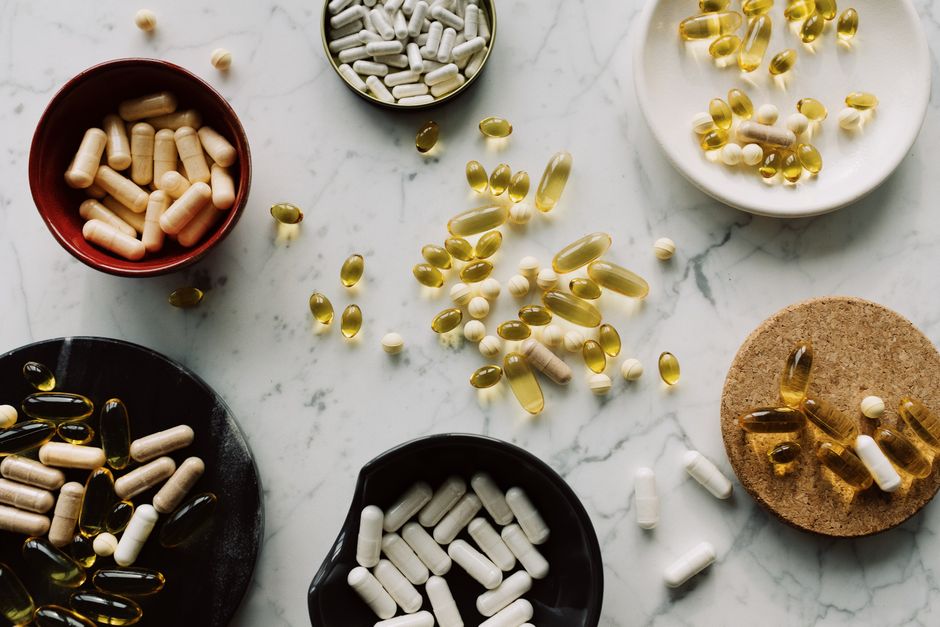
Probiotic bacteria are living organisms, and heat, moisture, and time are what kill them. To travel with probiotics without losing potency, keep them cool and dry, leave them in their original sealed container, choose shelf-stable formulations when refrigeration isn’t practical, and check the expiration date and storage instructions before you pack. Most quality products hold their labeled potency through normal travel if you protect them from heat and humidity.
Why Do Probiotics Lose Potency During Travel?
Probiotics are live microorganisms, and like any living thing they have conditions they tolerate and conditions they don’t. The two biggest threats during travel are heat and moisture.
Heat is the more serious problem. Many probiotic strains are freeze-dried or lyophilized during manufacturing, which puts them into a dormant state. That dormancy is what keeps them stable on a shelf. When temperatures climb, the bacteria can exit dormancy and begin to die off faster than they would in cool storage. A hot car, a checked bag sitting on a tarmac, or a suitcase left in the sun can all expose your product to temperatures well above what the manufacturer designed for.
Moisture is the second threat. Probiotic powders and capsules are sensitive to humidity. Once moisture gets in, it can reduce viability and, in some cases, encourage the growth of unwanted organisms. That’s why the original container matters — it’s usually designed with a moisture barrier and a desiccant.
Time is the third factor, and it’s the one people forget. Even under ideal conditions, probiotic bacteria die off gradually. A product near the end of its shelf life is already working with a smaller margin. Travel adds stress on top of that.
What Should You Check Before You Pack Probiotics?
Read the label before anything else. The storage instructions on the package are specific to that product, and they’re not interchangeable between brands.
Look for three things:
- Storage instructions. Some products require refrigeration. Others are formulated to be shelf-stable at room temperature. Follow what the manufacturer states for that specific product.
- Expiration date. Check that you have enough remaining shelf life to cover your trip and the time after you return. A product expiring during your trip is a poor choice to bring.
- Potency at expiration. Some labels state the CFU (colony-forming units) count at the time of manufacture, others at the expiration date. The expiration-date figure is the more useful number because it reflects what should still be viable when you use it.
One clarification worth knowing: CFU counts on labels are not a guarantee that every one of those organisms will survive digestion and colonize your gut. They reflect the number of viable organisms in the product at the point specified. How many survive stomach acid and reach the intestine varies by strain and formulation.
How Do You Keep Probiotics Cool While Traveling?
If your probiotic requires refrigeration, you need a plan for the journey. A small insulated bag with a cold pack is the standard approach. Gel packs generally hold temperature longer than ice, and they don’t create the mess that melting ice does.
For air travel, cold packs are subject to security rules. Gel packs are typically allowed in carry-on bags if they’re frozen solid at the checkpoint, but rules vary by country and can change. Check with your airline and the security agency for your departure point before you fly. If a cold pack won’t pass, a shelf-stable product is the more practical choice for that trip.
Keep the probiotic in your carry-on rather than checked luggage when you can. Checked bags sit in unheated or overheated cargo holds and can be delayed for hours. Your carry-on stays with you and stays closer to room temperature.
Once you arrive, get the product into a refrigerator as soon as possible if the label calls for it. A hotel room minibar or a request to the front desk for refrigeration space usually solves this.
Are Shelf-Stable Probiotics Better for Travel?
Shelf-stable probiotics are formulated to remain viable at room temperature for their stated shelf life. For many travelers, they’re the simpler and more reliable option, because they remove the cold-chain problem entirely.
That doesn’t mean shelf-stable products are immune to heat. “Room temperature” typically means a moderate range, not a hot car or a sun-baked suitcase. Even shelf-stable probiotics should be kept out of direct heat and prolonged high temperatures.
The tradeoff is strain selection. Not every probiotic strain can be formulated to survive at room temperature, so shelf-stable products may offer a narrower range of strains than refrigerated ones. If you’re taking a specific strain for a specific reason, check whether a shelf-stable version of that product exists before switching.
What About Probiotics in Food and Fermented Products?
Fermented foods like yogurt, kefir, and some fermented vegetables contain live cultures, but they behave differently from supplements. They’re perishable foods first. Food safety rules apply.
Perishable fermented foods need refrigeration and shouldn’t sit at room temperature for extended periods during travel. If you’re bringing them, treat them like any other perishable food and keep them cold. For long trips or international travel, this is often impractical, and a shelf-stable supplement is the more workable choice.
Some shelf-stable fermented products, like certain shelf-stable miso or properly canned fermented vegetables, are designed to be stored at room temperature. Follow the specific product’s storage instructions rather than assuming.
How Should You Store Probiotics at Your Destination?
Once you arrive, storage depends on what the label says. Refrigerated products go in the fridge. Shelf-stable products stay in a cool, dry place away from direct sunlight and heat sources.
A few practical habits help:
- Keep the container tightly closed between uses to limit moisture exposure.
- Don’t leave the bottle in a bathroom, where humidity is high.
- Avoid storing probiotics near stoves, radiators, or windows.
- Keep the desiccant packet in the bottle if one is included. It’s there to absorb moisture, not as packaging waste.
If you’re staying somewhere without reliable refrigeration and your product requires it, that’s a real limitation. There’s no reliable way to keep a refrigerated probiotic cold for days without a cold source. In that situation, a shelf-stable product is the honest answer.
Does Travel Itself Affect Gut Bacteria?
Travel can disrupt digestion and bowel habits for reasons unrelated to your probiotic. Changes in diet, water, sleep schedule, and time zones all affect the gut. Traveler’s diarrhea is a well-documented risk in many destinations, and it’s usually caused by contaminated food or water, not by a lack of probiotics.
It’s worth being clear about what probiotics can and cannot do here. Some research suggests certain probiotic strains may modestly reduce the risk or duration of some types of diarrhea, but the evidence varies by strain, dose, and cause. Probiotics are not a substitute for food and water safety. No probiotic prevents diarrhea caused by contaminated water.
If you’re traveling to a region where traveler’s diarrhea is common, the established preventive measures are the ones that matter most: drink safe water, avoid risky foods, and follow guidance from a travel medicine clinician. Probiotics may be a reasonable adjunct for some people, but they don’t replace those basics.
What Are Common Mistakes When Traveling With Probiotics?
The most common mistake is packing probiotics in checked luggage. Cargo holds can get very hot or very cold, and bags can be delayed. If your product needs care, keep it with you.
Another common mistake is transferring capsules or powder into an unlabeled pill organizer or plastic bag. That removes the moisture barrier, exposes the product to air, and strips away the storage instructions. Keep probiotics in their original container.
Leaving the bottle in a hot car during a road trip is a third. A car interior can reach temperatures far above outdoor air temperature in sunlight. Treat your probiotic like you’d treat chocolate or medication that’s heat-sensitive.
Finally, some people buy a large container right before a long trip and assume it will last. Check the expiration date against your return date, and consider a smaller size for travel so you’re not carrying a large supply that may degrade before you finish it.
Frequently Asked Questions
Can I bring probiotics through airport security?
Probiotic capsules and powders are generally treated like other supplements and are usually allowed in carry-on and checked bags. Gel cold packs may face additional screening, so check the rules for your departure airport before you fly.
Do probiotics need to be refrigerated during travel?
Only if the specific product’s label says so. Many probiotics are formulated to be shelf-stable at room temperature, while others require refrigeration, so follow the instructions on your own container.
How long can probiotics stay out of the refrigerator?
That depends entirely on the product. Refrigerated probiotics are not designed for extended room-temperature storage, while shelf-stable ones are, so check the label rather than assuming a general time limit.
Do probiotics survive in hot weather?
Heat reduces the viability of many probiotic strains, and prolonged exposure to high temperatures can lower the number of live organisms. Keep products out of hot cars and direct sun, and choose shelf-stable formulations when refrigeration isn’t possible.
