
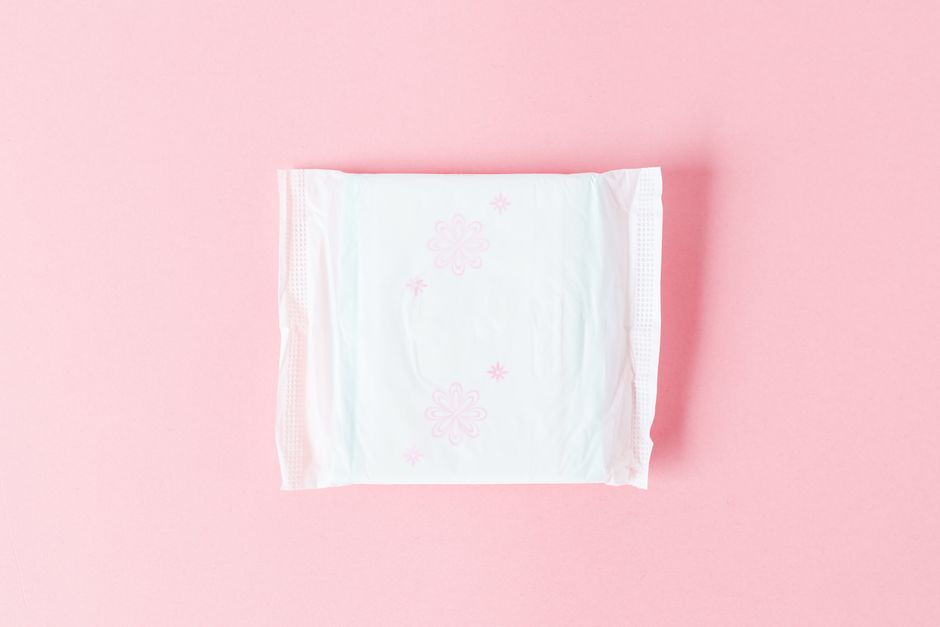
Traveling with a heavy period takes planning, but it is manageable. The core strategy is simple: pack more supplies than you think you need, wear dark loose clothing on travel days, and know where bathrooms are at every stage of your trip. If your bleeding is heavy enough to soak through a pad or tampon in an hour or less, or you are passing clots larger than a quarter, see a doctor before you travel.
What Counts as a Heavy Period?
Heavy menstrual bleeding, called menorrhagia, has a clinical definition. It means soaking through one or more pads or tampons every hour for several consecutive hours, needing to double up on protection, or passing blood clots larger than a quarter. Bleeding that lasts longer than seven days also qualifies.
Many people who describe their periods as heavy fall short of that clinical threshold. Others exceed it and have never been told their bleeding is abnormal. If you are unsure where you fall, track your flow for one or two cycles before your trip. Note how often you change protection, the size of any clots, and how many days you bleed.
That record is useful in two ways. It tells you what to pack. And if you do see a doctor, it gives them real information instead of a vague sense that things seem heavy.
How Do You Pack for a Heavy Period Trip?
Pack roughly double what a normal cycle would require. Travel introduces delays, stress, time zone changes, and limited access to stores. Running out of supplies in an unfamiliar place is the scenario you are trying to avoid.
- Two to three times your usual number of pads or tampons, split between your carry-on and checked luggage if you check a bag
- Menstrual discs or cups if you already use them and are comfortable with them
- Period underwear as a backup layer
- Unscented wipes or a small peri bottle for cleanup when bathrooms are limited
- Dark-colored underwear and dark, loose pants or a skirt for travel days
- A small pouch you can grab and carry to the bathroom without hauling your whole bag
- Pain relief you know works for you, in its original packaging
- A plastic bag or two for soiled items
One thing worth knowing: if you use a menstrual cup or disc, keep it in your carry-on. Security screening does not prohibit these items, but if a checked bag goes missing, you are not stuck without your primary protection. The same logic applies to any prescription medication.
How Do You Handle Airport Security and Long Flights?
Airport security is rarely a real problem. Pads, tampons, cups, and discs are all permitted in carry-on bags. If you wear a cup or disc, you can wear it through screening. You do not need to remove it.
The bigger issue is the flight itself. Cabin air is dry, and sitting for hours can make bleeding feel heavier or more uncomfortable. Change your pad or tampon shortly before boarding, even if it does not seem necessary yet.
On the plane, aisle seats make bathroom trips easier. If you cannot get one, plan to get up and move every couple of hours anyway. Prolonged sitting is a known risk factor for blood clots, and that risk is higher during menstruation and for anyone using hormonal contraception. Walking the aisle and doing simple ankle circles in your seat both help circulation.
Tampons should generally be changed every four to eight hours, and never left in longer than eight. On a long-haul flight, that means at least one change. Set a phone reminder if you tend to lose track of time while traveling.





What Should You Know About Time Zones and Cycle Timing?
Crossing time zones does not reset your menstrual cycle. Your body’s hormonal rhythm runs on its own internal clock, and it does not shift just because the local time did. What can shift is how you experience symptoms. Jet lag, disrupted sleep, and travel stress can make cramps feel worse or make your flow seem heavier than usual.
If you take a combined hormonal contraceptive and use it continuously to skip periods, travel is one situation where it helps to plan ahead. Talk to your prescriber about how to time your pill packs around a trip. Do not adjust your schedule on your own without checking first.
If your period is unpredictable, pack supplies for the whole trip regardless of where you think you are in your cycle. Cycles shift. Travel can nudge them.
How Do You Manage Symptoms While Traveling?
Cramps, headaches, and fatigue are common during a heavy period, and travel tends to amplify all three. The basics matter more than any single trick.
Drink more water than you think you need. Dehydration worsens headaches and fatigue, and both are already more likely when you are bleeding heavily and crossing time zones. Eat regular meals. Low blood sugar makes cramps and mood symptoms feel worse.
For pain, over-the-counter options include ibuprofen and naproxen, both of which reduce prostaglandins, the compounds that drive menstrual cramping. Acetaminophen works for pain but does not target prostaglandins. Follow the dosing on the package and check with a pharmacist if you take other medications. If you have stomach, kidney, or bleeding disorders, ask a clinician before using NSAIDs.
Heat helps many people. A portable heat patch or a hotel towel warmed with hot water works when you cannot get a heating pad. Some people find gentle movement, like walking, eases cramps. Others need rest. Both are reasonable.
What If You Are Traveling Somewhere With Limited Bathroom Access?
This is where preparation matters most. Long bus rides, hiking trips, camping, and travel in regions with few public restrooms all require a different plan than a city vacation.
Menstrual discs and cups hold more than most pads or tampons and can be worn longer, which makes them practical when bathroom access is limited. They do require comfort and practice to use well. If you have never used one, a trip is not the time to learn.
Period underwear works as a backup layer under other protection, not usually as a sole method on heavy days. Pack a waterproof bag for anything soiled. Bring more wipes than you think you need. If you are camping, plan how you will manage waste responsibly and follow local rules.
If you are traveling internationally, note that supply brands differ by country. If you rely on a specific product, bring enough for the whole trip.
When Should You See a Doctor Before Traveling?
See a clinician before your trip if your bleeding soaks through protection in an hour or less for several hours, if you pass clots larger than a quarter, if you feel dizzy, weak, or short of breath, or if your periods have suddenly become much heavier than usual.
Heavy bleeding can lead to iron deficiency anemia over time. Fatigue that does not improve with rest, pale skin, or a racing heartbeat are reasons to get checked. These symptoms are easy to blame on travel stress, which is exactly why they are worth taking seriously.
If you have a known bleeding disorder, take blood thinners, or have been told you have anemia, talk to your doctor before a long trip. They may want to check your blood counts or adjust your plan.
There is no single right way to travel with a heavy period. There is only being prepared, knowing your own pattern, and knowing when to get medical advice.
Frequently Asked Questions
Can I wear a tampon through airport security?
Yes. Tampons, pads, cups, and discs are all allowed in carry-on bags, and you can wear a tampon or cup through screening without removing it. Security officers are not permitted to ask you to remove menstrual products.
How often should I change a tampon on a long flight?
Every four to eight hours, and never longer than eight. On a long-haul flight, set a reminder so you do not lose track of time.
Does flying make your period heavier?
Flying does not increase menstrual flow itself. Sitting for long periods, dehydration, and travel stress can make cramps and symptoms feel worse, which is why moving around and drinking water matter.
When is a heavy period a reason to see a doctor?
See a doctor if you soak through a pad or tampon in an hour or less for several hours, pass clots larger than a quarter, or feel dizzy, weak, or short of breath. These signs can point to anemia or another condition that needs evaluation.
